THE WILDFORM KNOWLEDGEBASE
Good care starts
with understanding.
Learn about animals, their habitats and the equipment they need. Search above or choose a collection below.
Explore environments
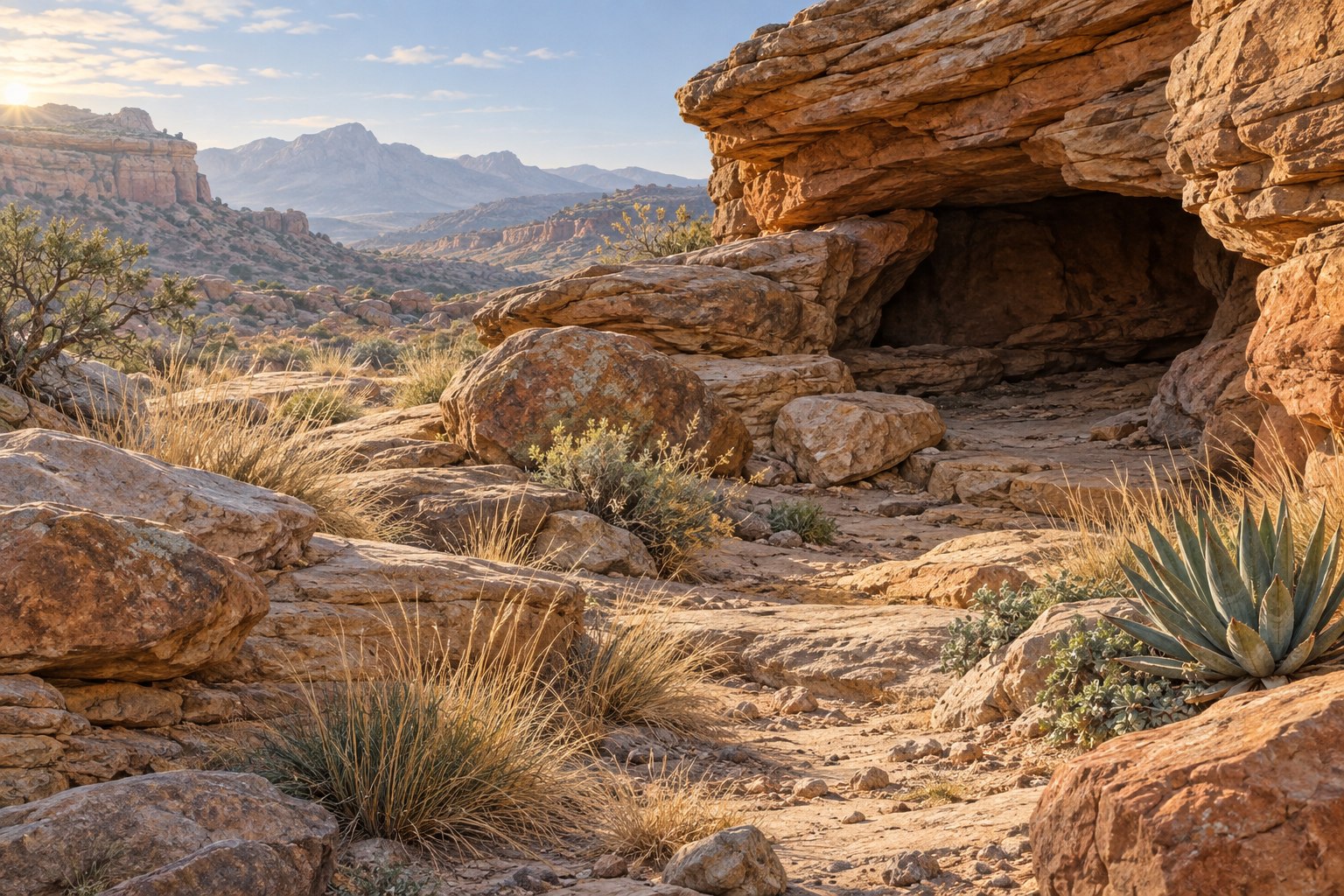
Arid habitats
Dry landscapes contain shade, burrows and moist retreats. Build around a species, not a desert colour palette.
Read guide ↗
Tropical habitats
Moisture, airflow and cool retreats matter as much as greenery.
Read guide ↗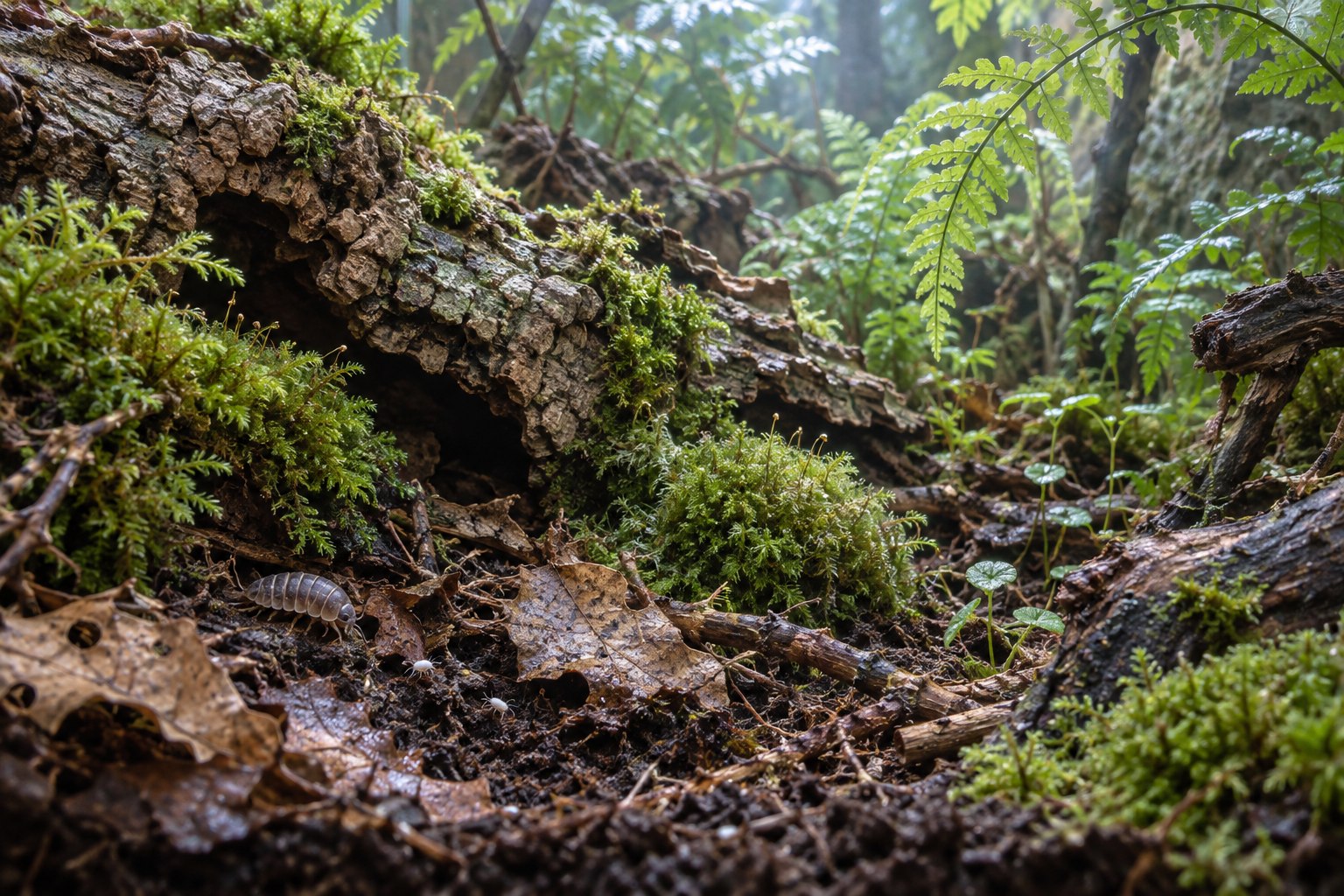
Temperate habitats
Seasonal landscapes do not translate directly into an unheated UK room.
Read guide ↗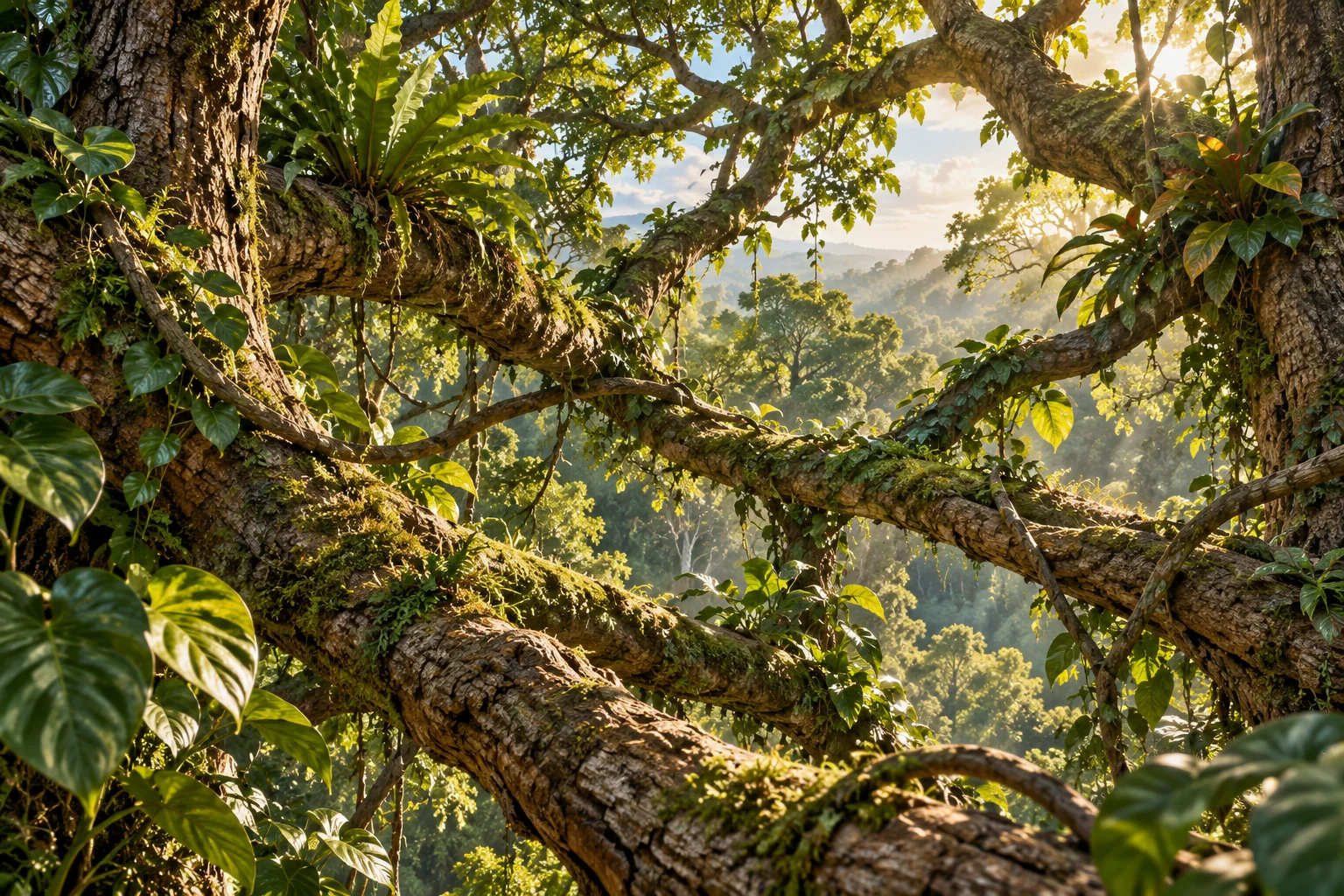
Arboreal habitats
Arboreal describes how an animal uses space, not a climate.
Read guide ↗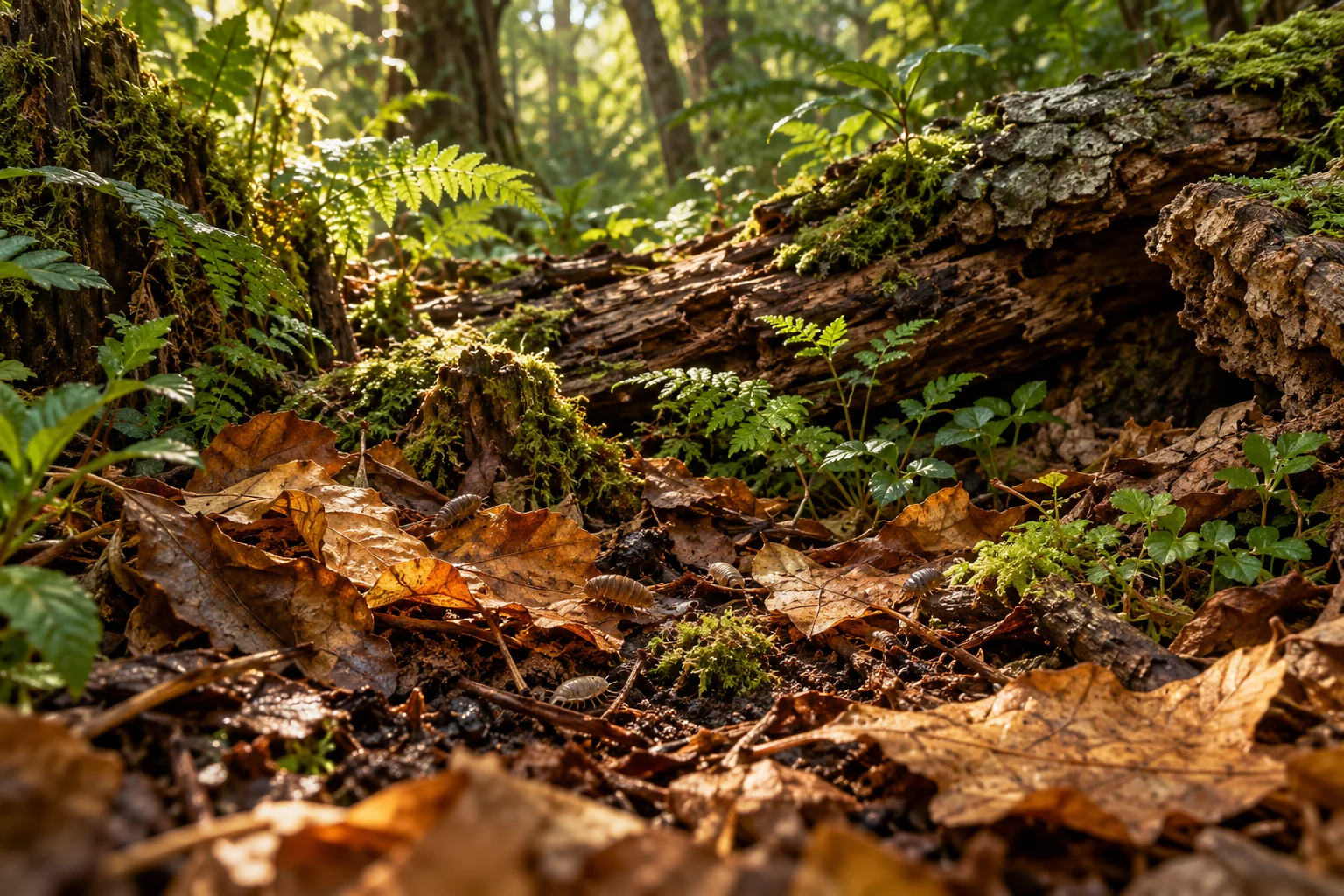
Bioactive environments
A managed living substrate system, not a replacement for cleaning or animal care.
Read guide ↗
Aquatic & semi-aquatic habitats
Water is a living environment to manage, not simply another enclosure decoration.
Read guide ↗Animal care guides
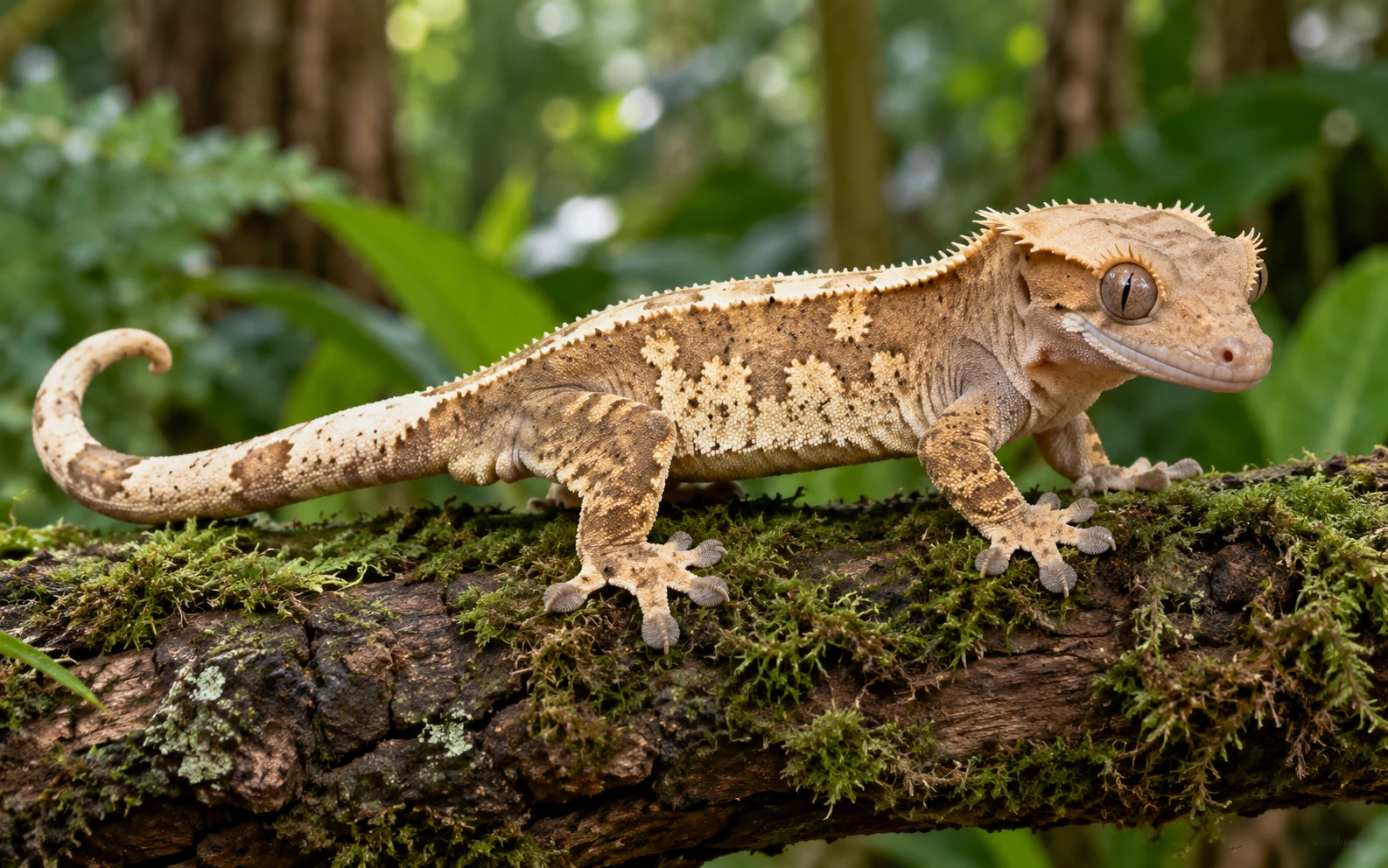
Crested gecko
A crested gecko spends much of its time among branches and leaves. Give yours safe climbing routes, cool places to rest and a balanced diet, and build a daily routine around checking food, water and the enclosure.
Care, setup and equipment ↗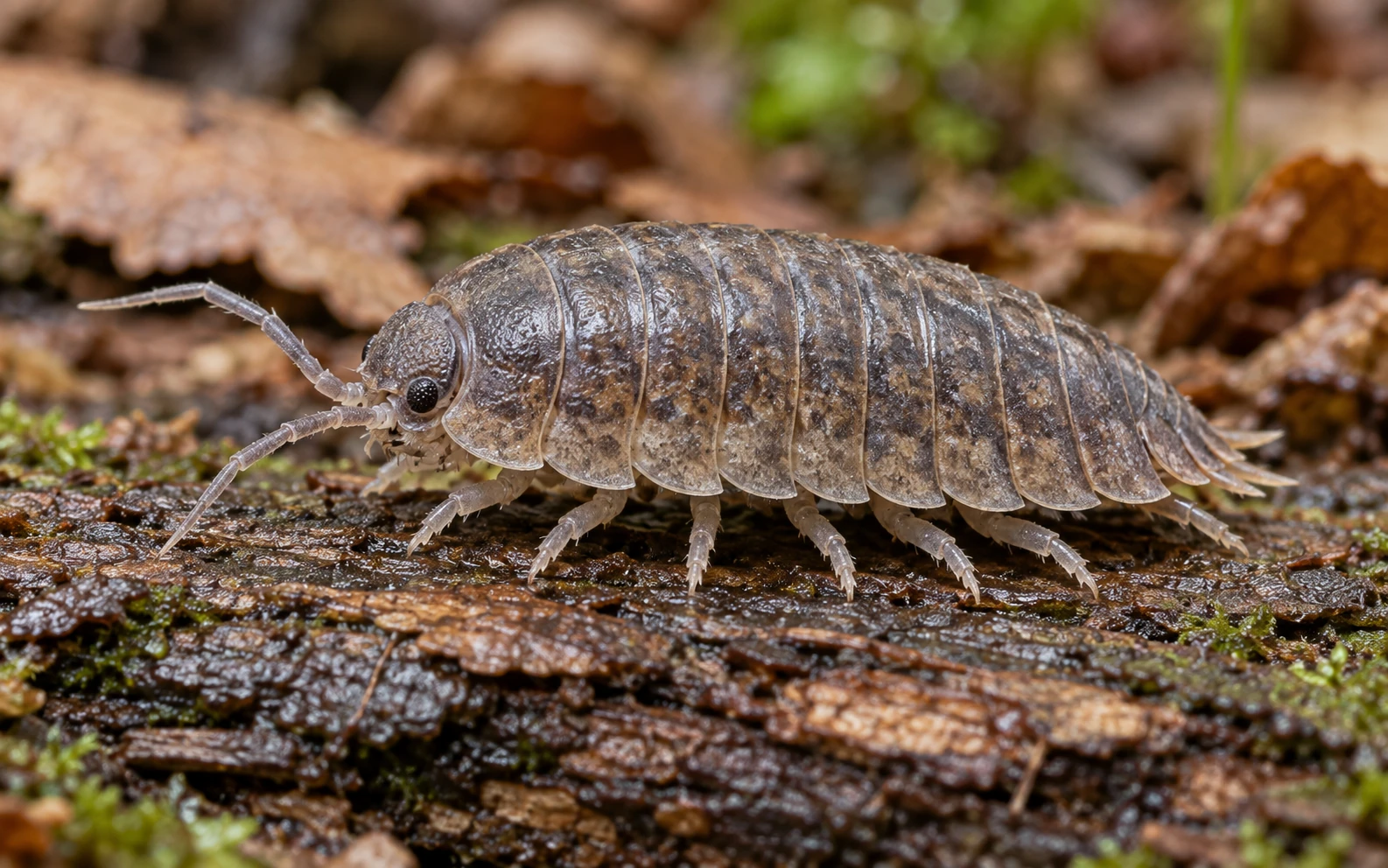
Smooth isopods
Smooth isopods are small woodlice best kept as a colony to watch. A steady supply of decaying leaves, damp shelters and space for young animals will do more for them than a tub full of scraps.
Care, setup and equipment ↗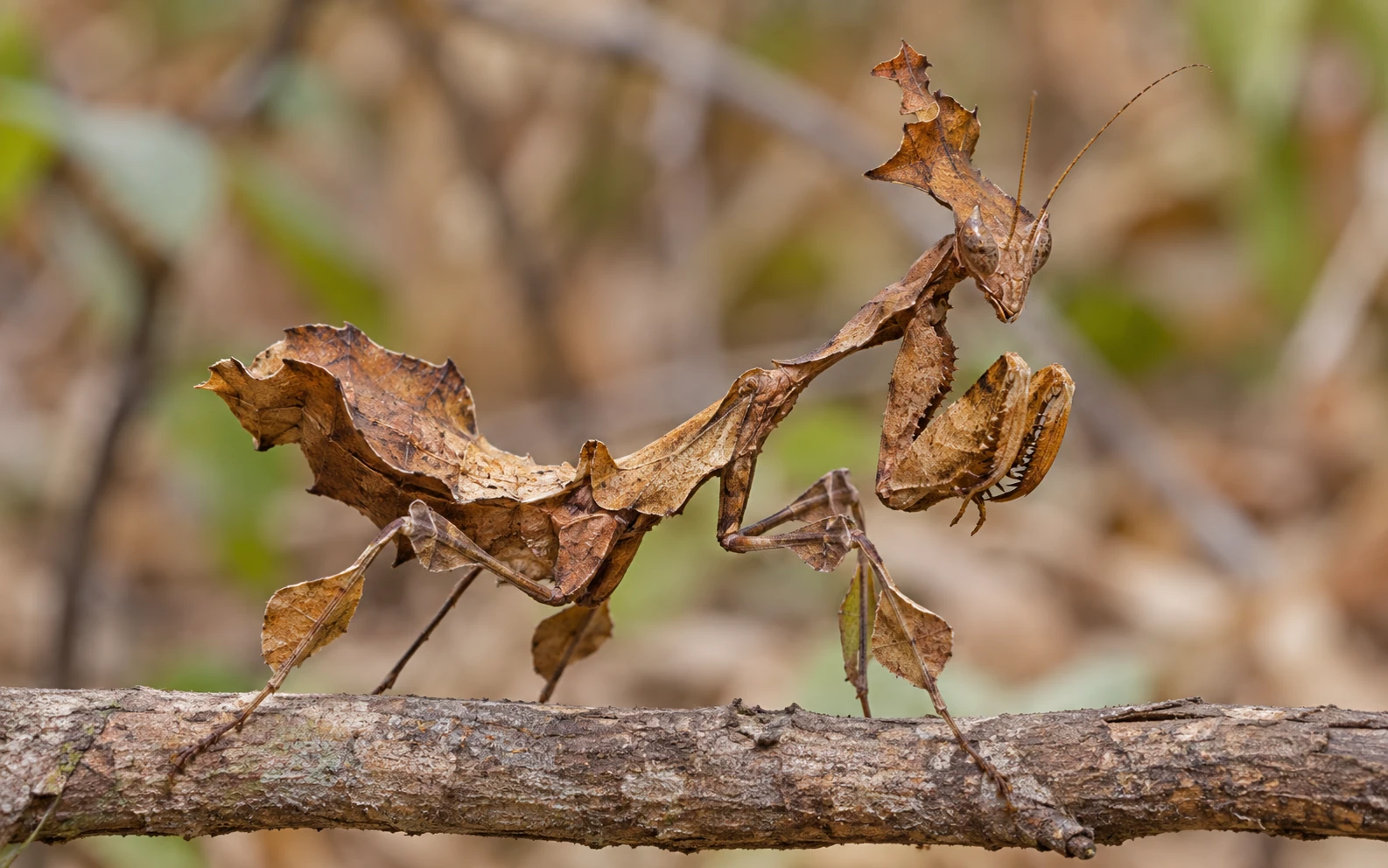
Ghost mantis
A ghost mantis looks like a curled leaf and spends much of its time waiting for prey. Its most important care needs are secure hanging space, manageable live food and peace while it moults.
Care, setup and equipment ↗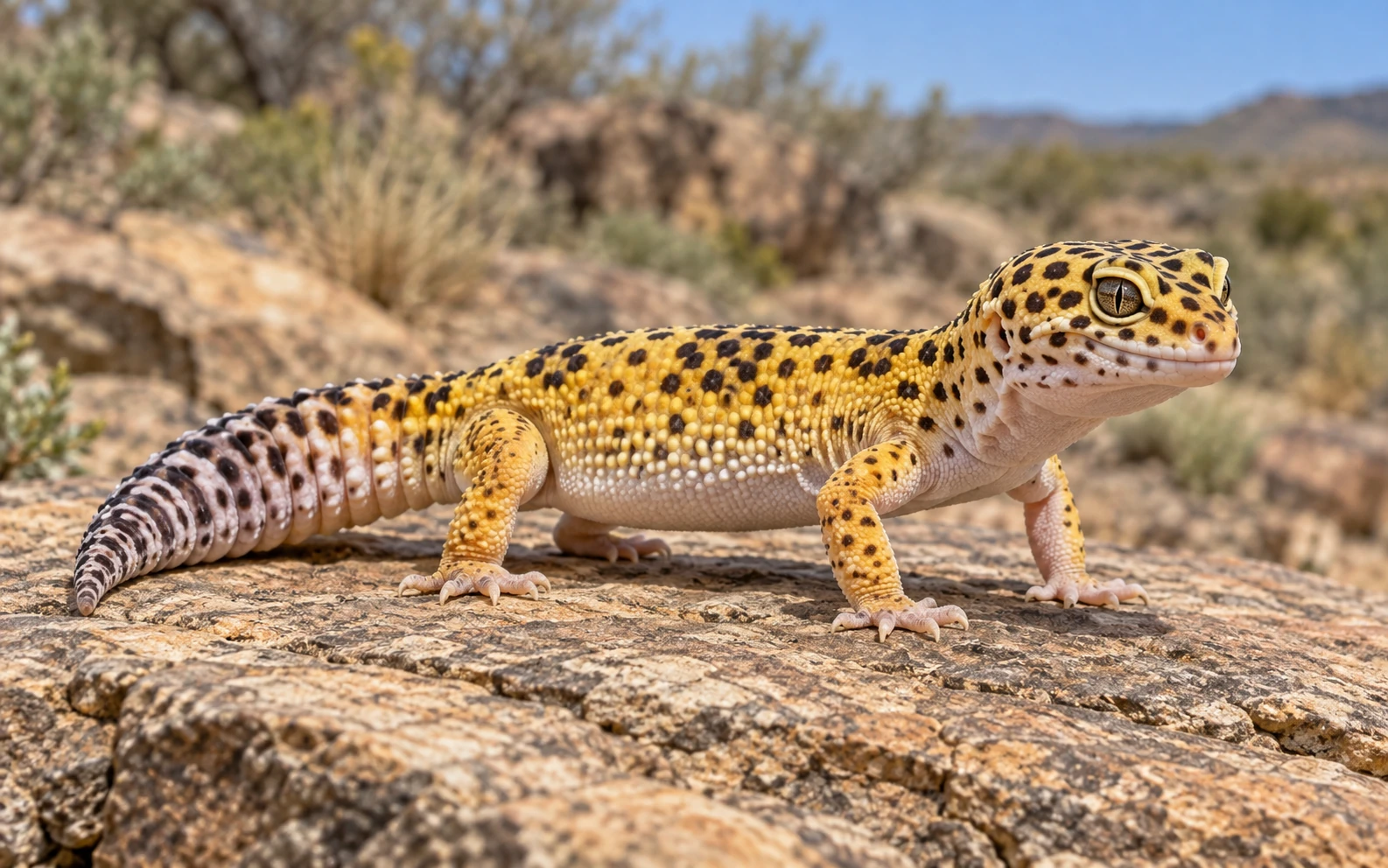
Leopard gecko
A leopard gecko needs places to hide at different temperatures, a separate damp hide and a varied insect diet. Start with those choices, then use daily checks to keep the environment and your gecko’s condition on track.
Care, setup and equipment ↗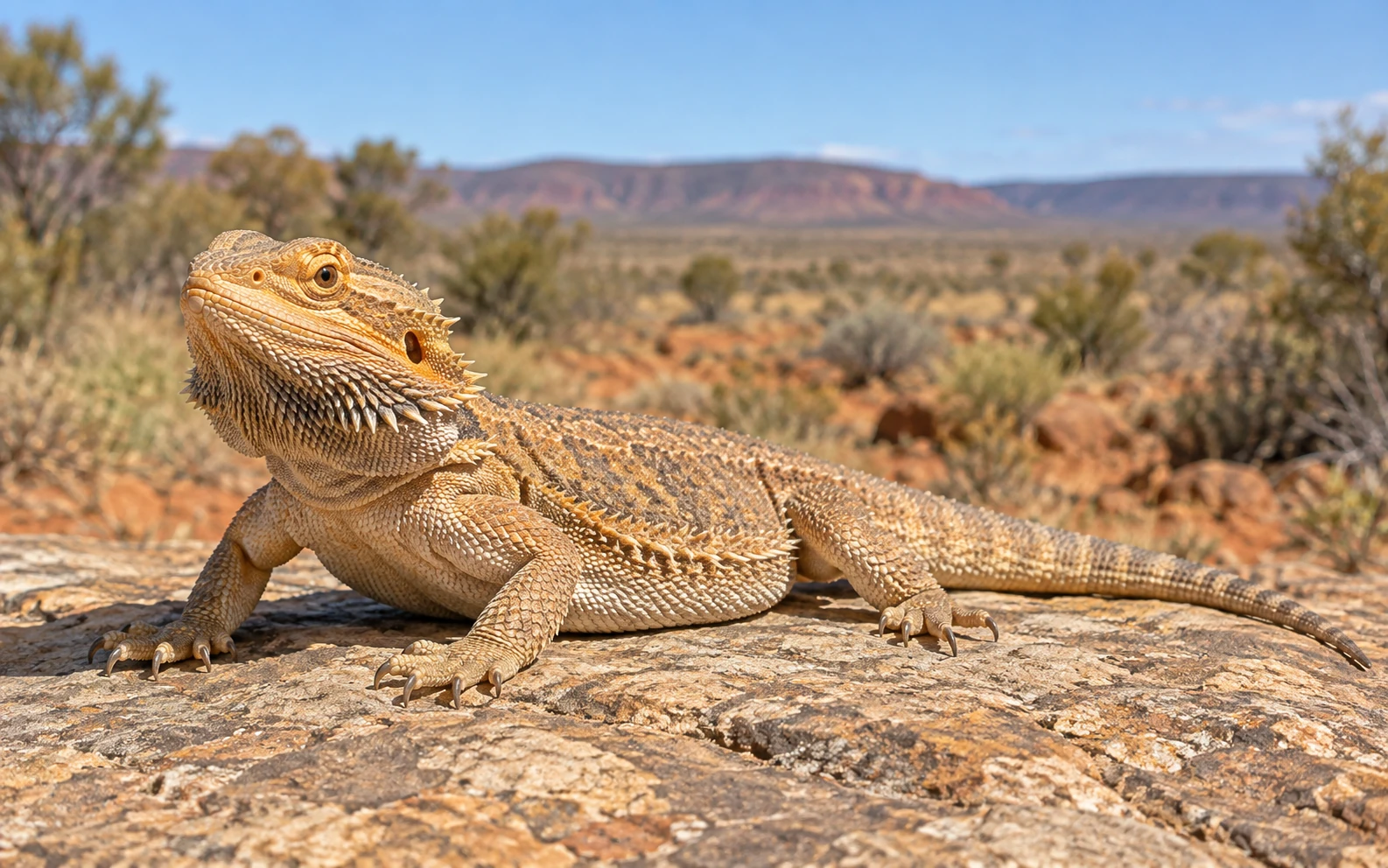
Bearded dragon
A bearded dragon needs room to explore, a broad basking area, bright daytime light and food that changes as it grows. A well-planned enclosure gives your dragon a choice of warmth, shade and shelter throughout the day.
Care, setup and equipment ↗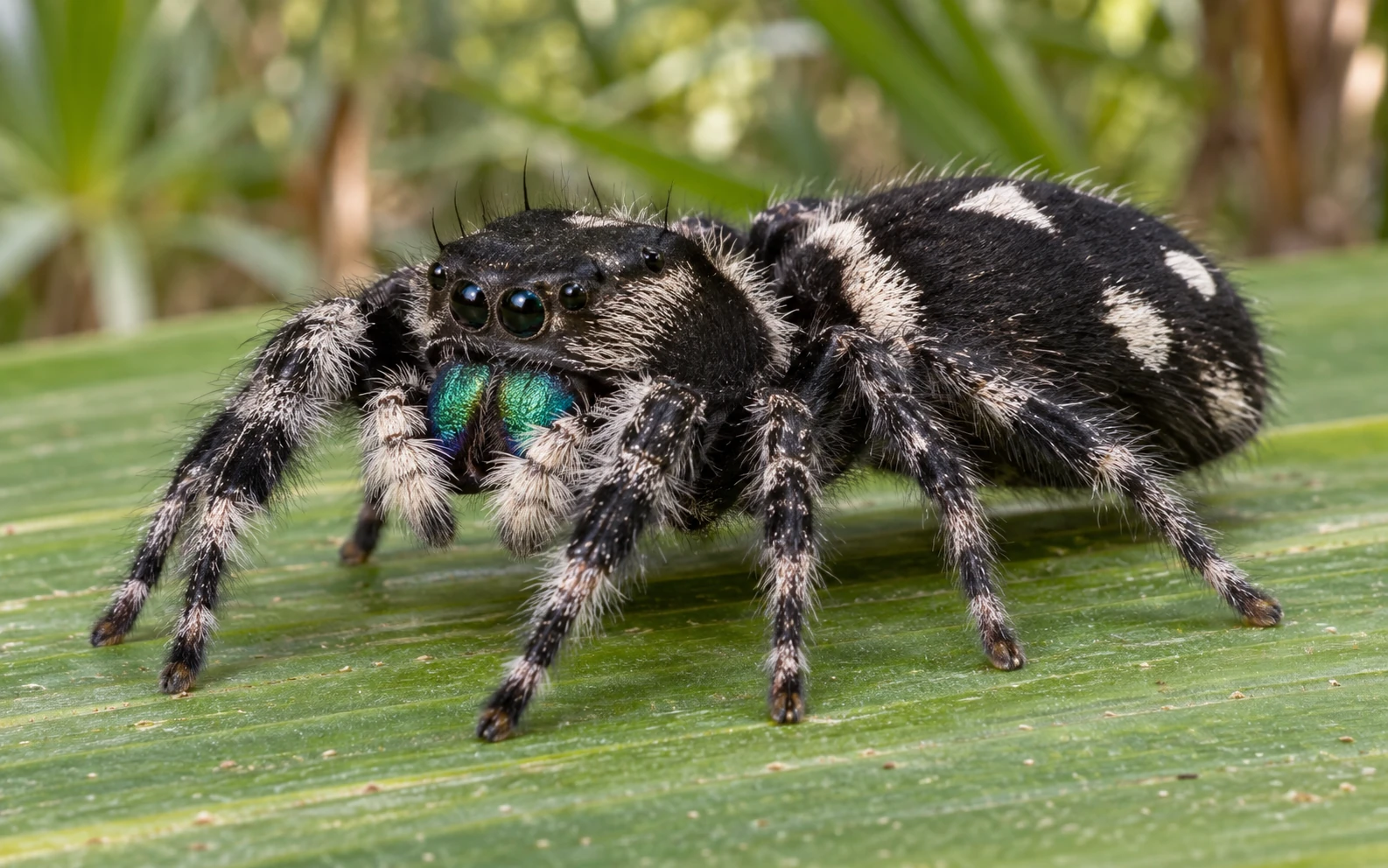
Regal jumping spider
A regal jumping spider hunts by sight and builds silk places to rest. Give it safe climbing routes and suitable small prey, and let it keep its retreat undisturbed, especially when it is moulting.
Care, setup and equipment ↗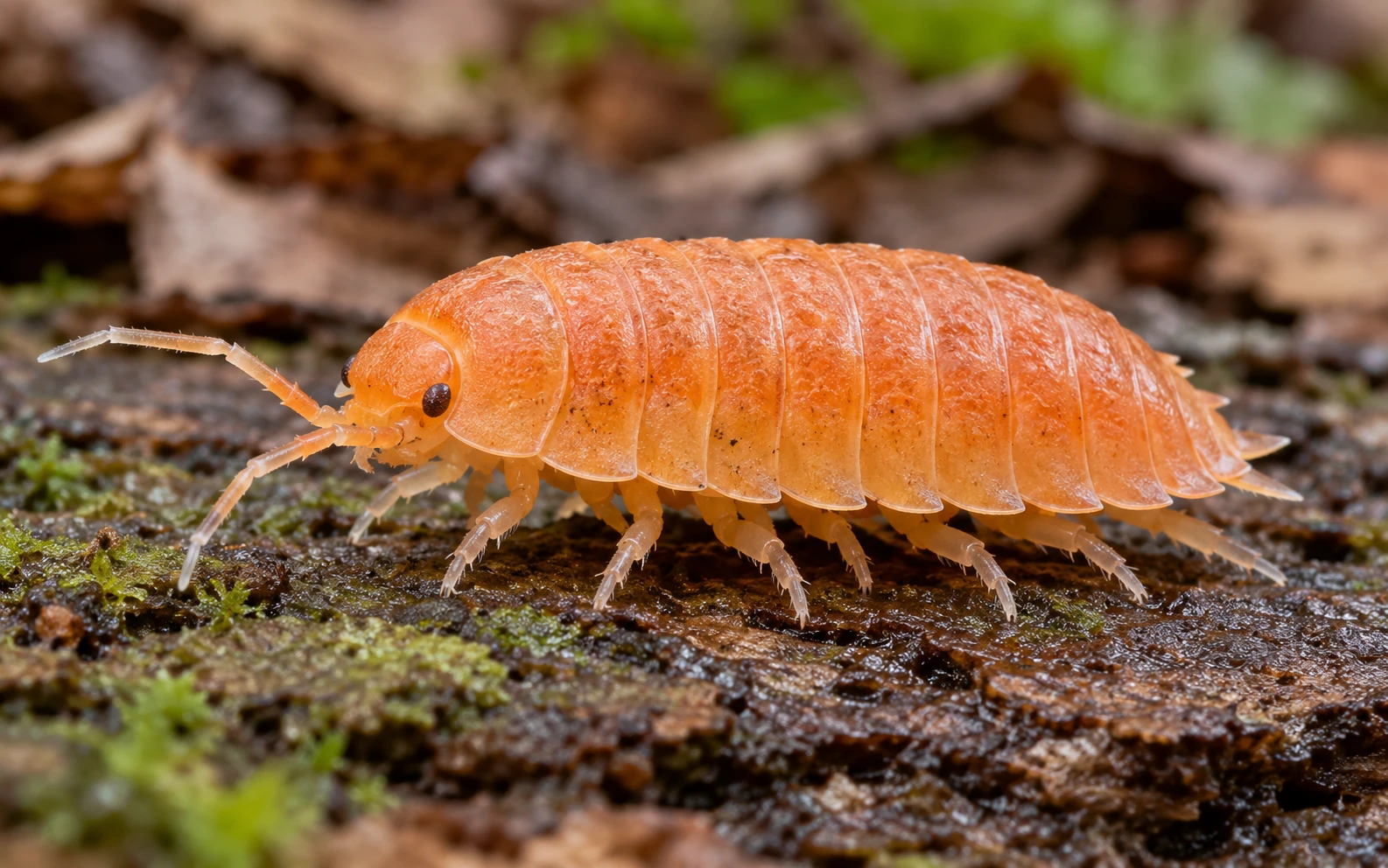
Powder orange isopods
Powder orange isopods are a colour form of a small, fast-moving woodlouse. Keep their colony supplied with decaying leaves, damp shelter and space, and expect to see much of its activity beneath cover.
Care, setup and equipment ↗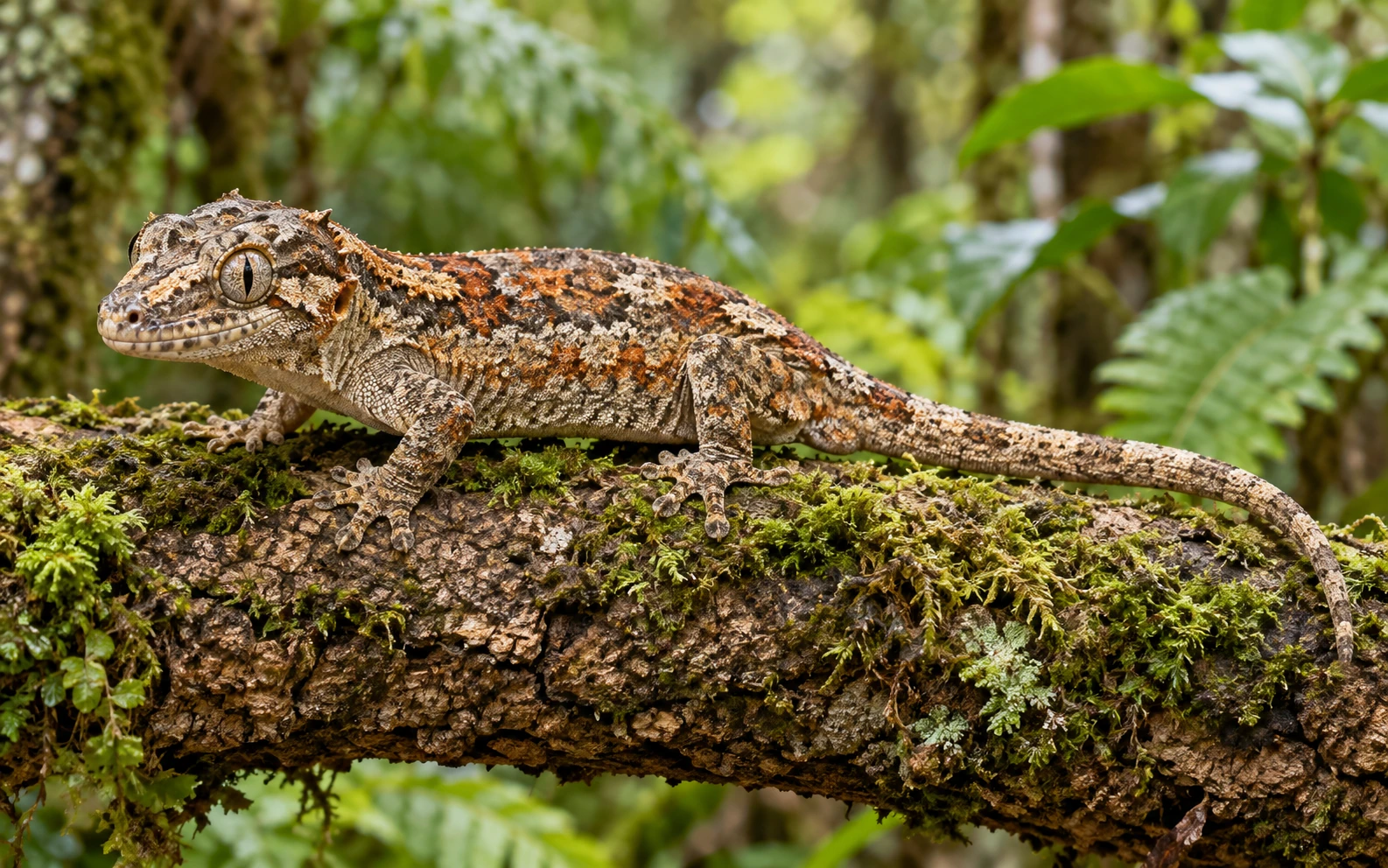
Gargoyle gecko
A gargoyle gecko needs a tall, well-furnished home with broad branches, cool shelter and a balanced diet. Its sturdy appearance does not make it safe to overheat, crowd or handle roughly.
Care, setup and equipment ↗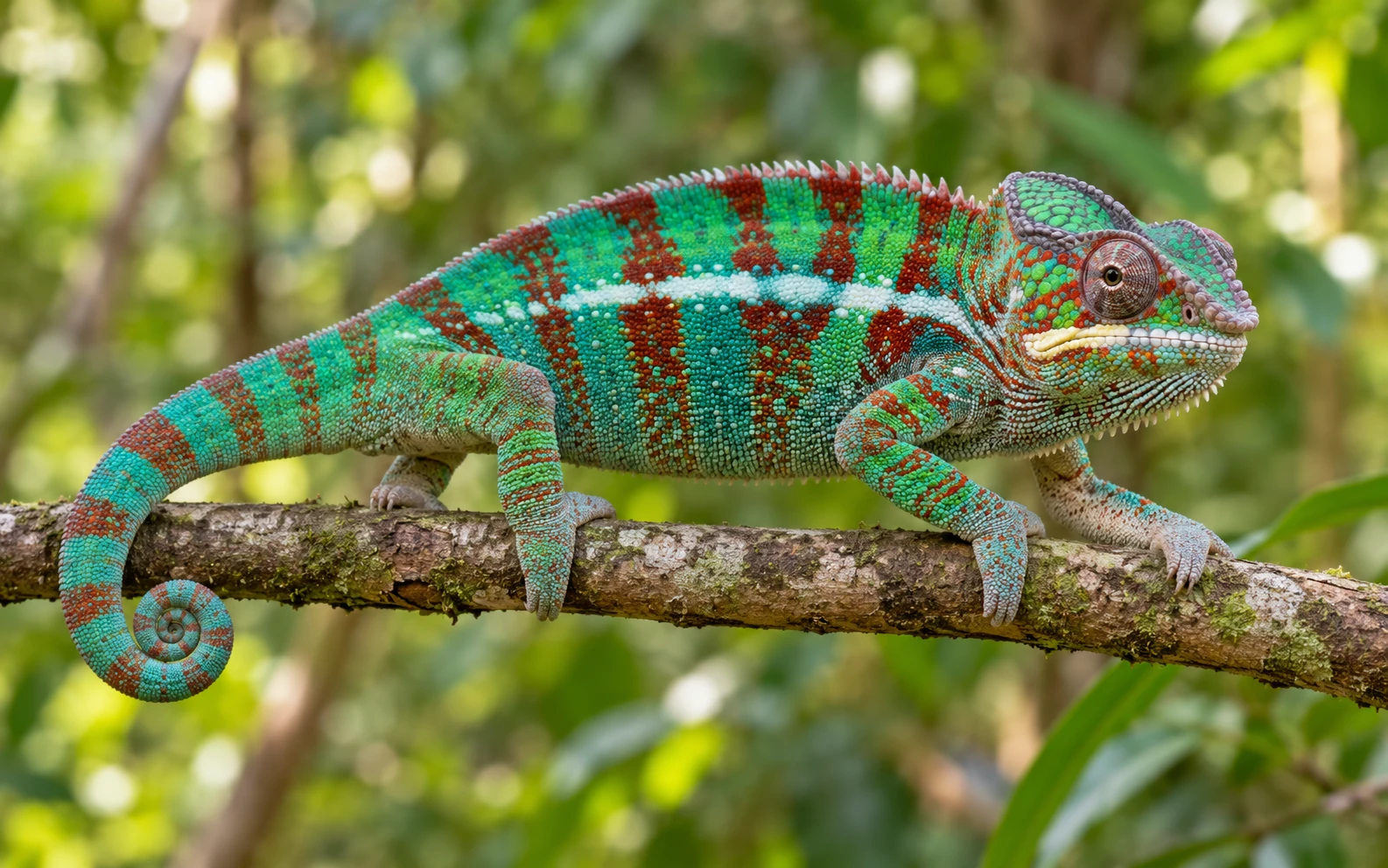
Panther chameleon
A panther chameleon needs privacy, a network of branches and a carefully managed cycle of warmth, light and drinking water. Plan the whole enclosure before choosing the animal, especially if you may bring home a female.
Care, setup and equipment ↗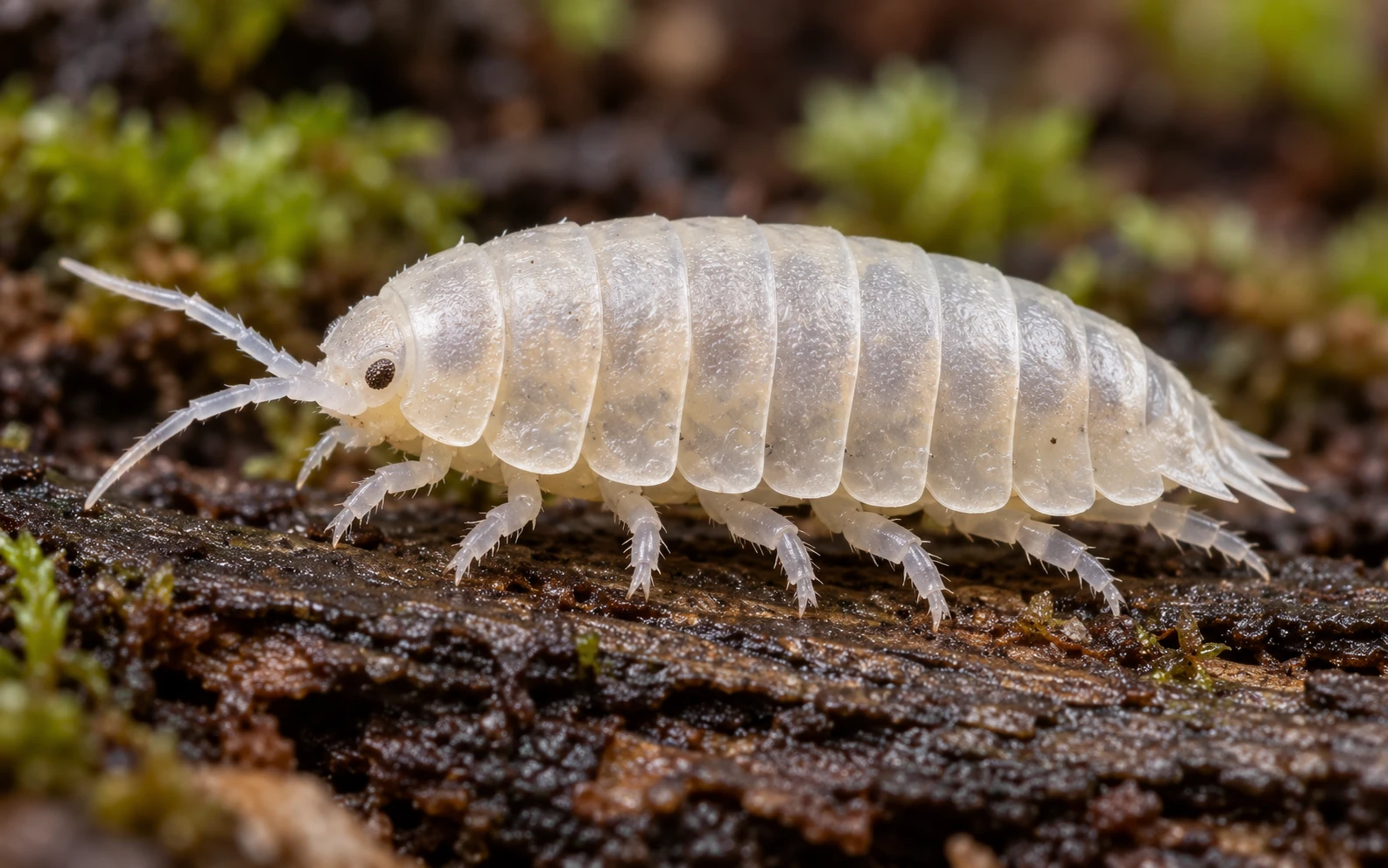
Dwarf white isopods
Dwarf white isopods live mostly within damp substrate, so you may see very little of a healthy colony. Look after their habitat and food supply rather than judging success by how many appear on the surface.
Care, setup and equipment ↗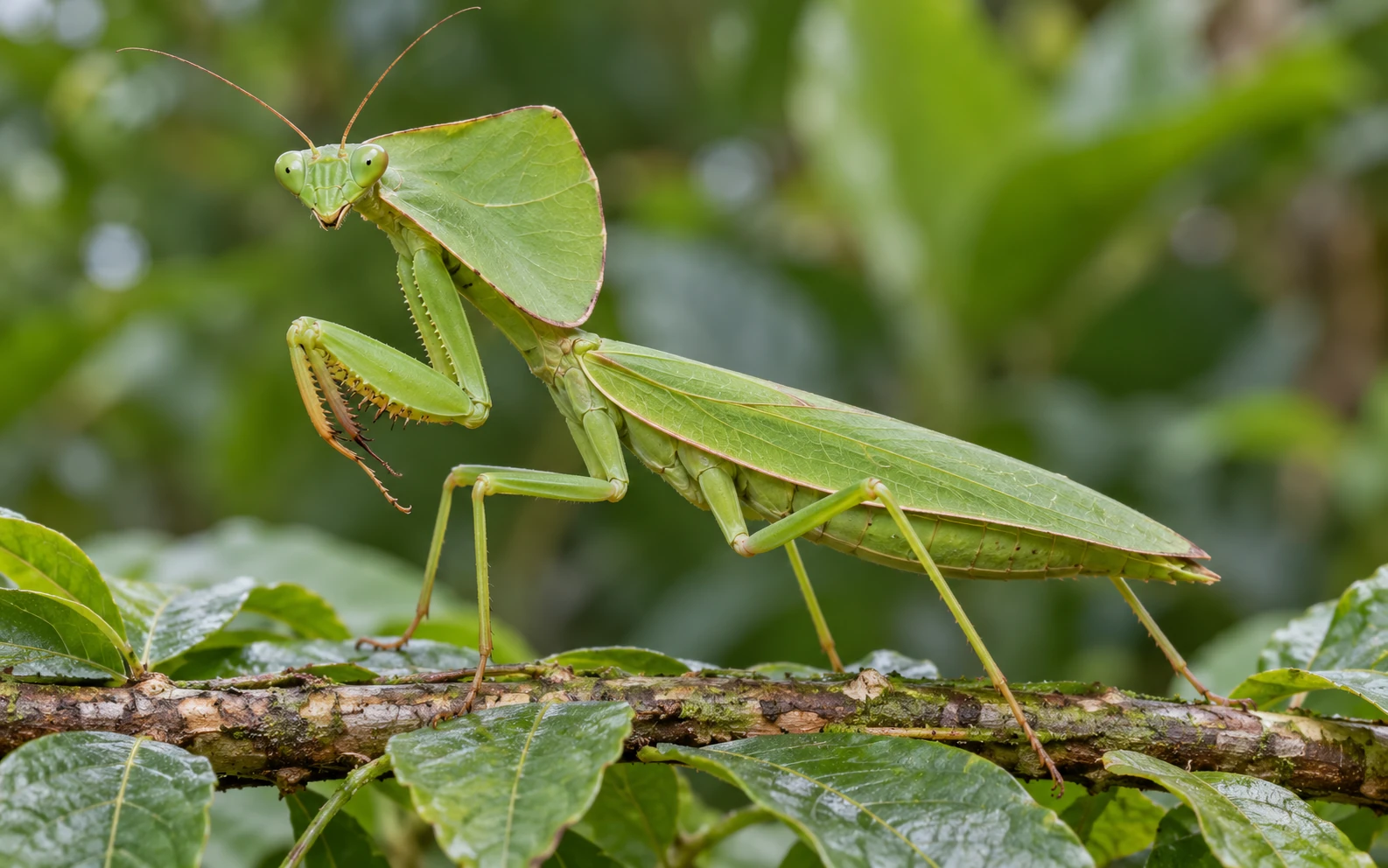
Shield mantis
A shield mantis needs a safe place to hang, enough free space to moult and live prey it can manage. Confirm its species before buying: several different mantises share the same common name.
Care, setup and equipment ↗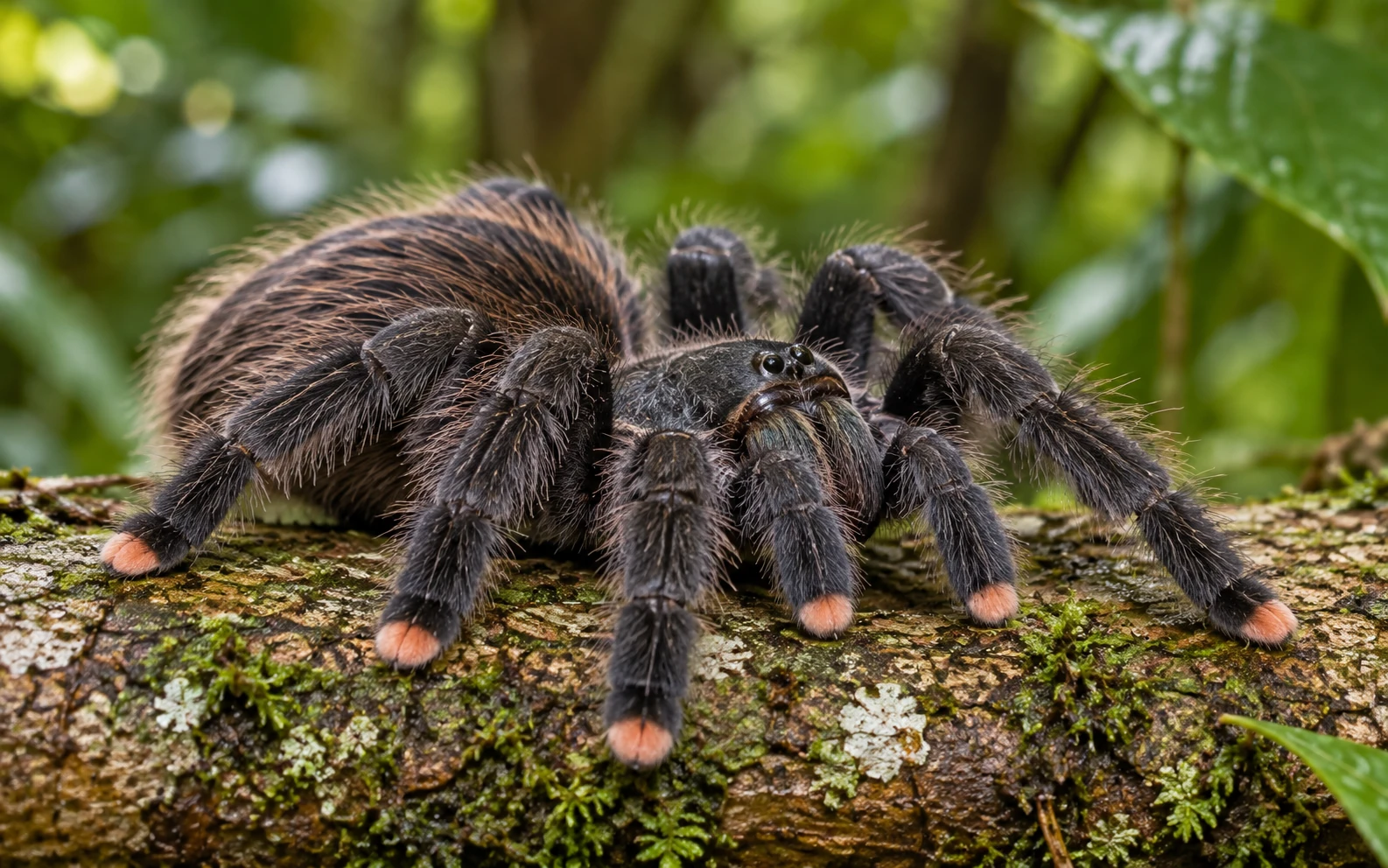
Pinktoe tarantula
A pinktoe tarantula builds its retreat above the ground. Give it stable climbing cover, cross-ventilation and accessible water, and service the enclosure without repeatedly breaking apart its web.
Care, setup and equipment ↗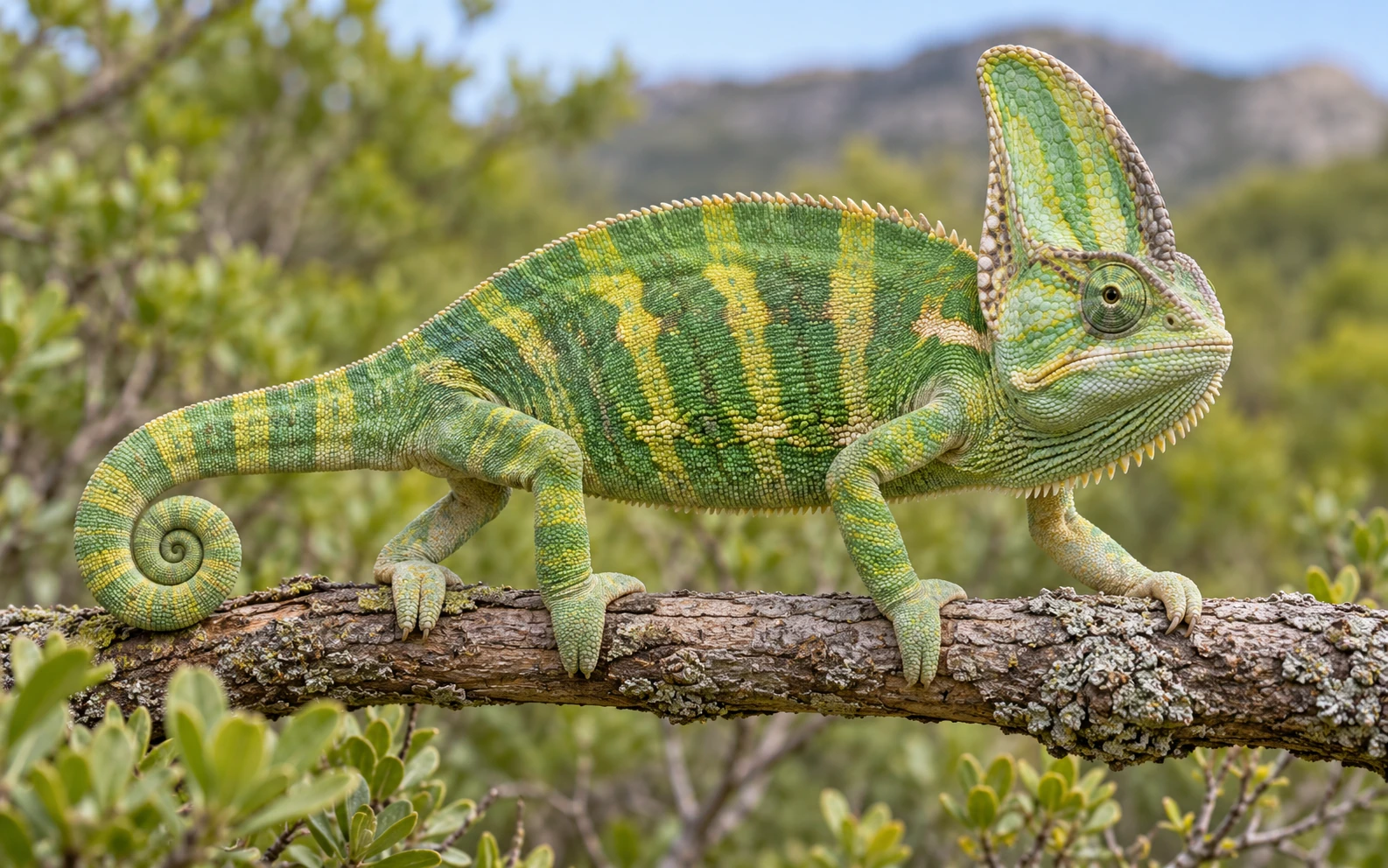
Yemen chameleon
A Yemen chameleon needs privacy, secure branches and a carefully checked climate plan. Females also need a permanent place to dig and lay eggs, even when they live alone.
Care, setup and equipment ↗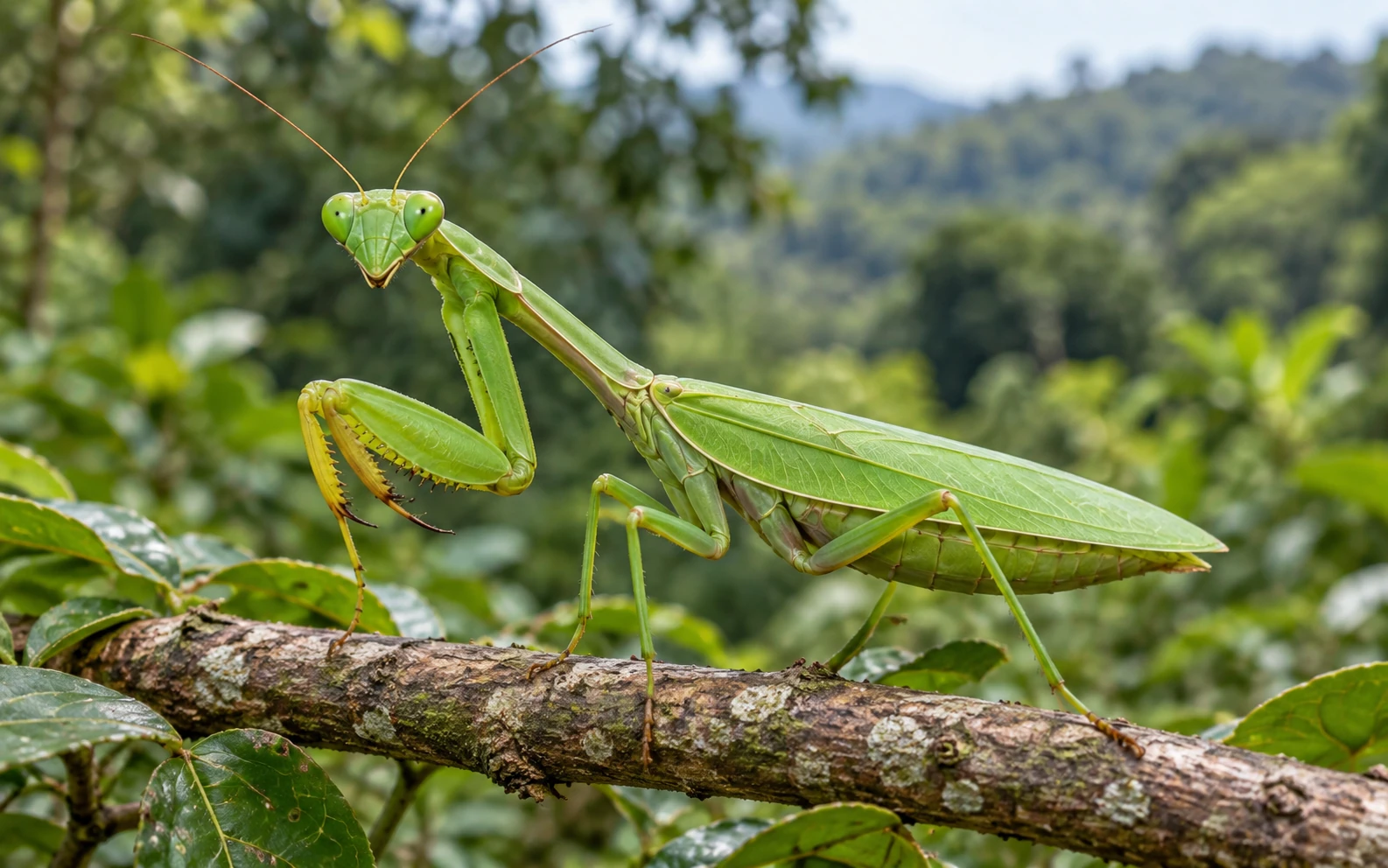
Giant Asian mantis
A giant Asian mantis needs secure hanging space and suitable live prey through each stage of growth. Its large size makes it easy to observe, but it still needs quiet and clear space while moulting.
Care, setup and equipment ↗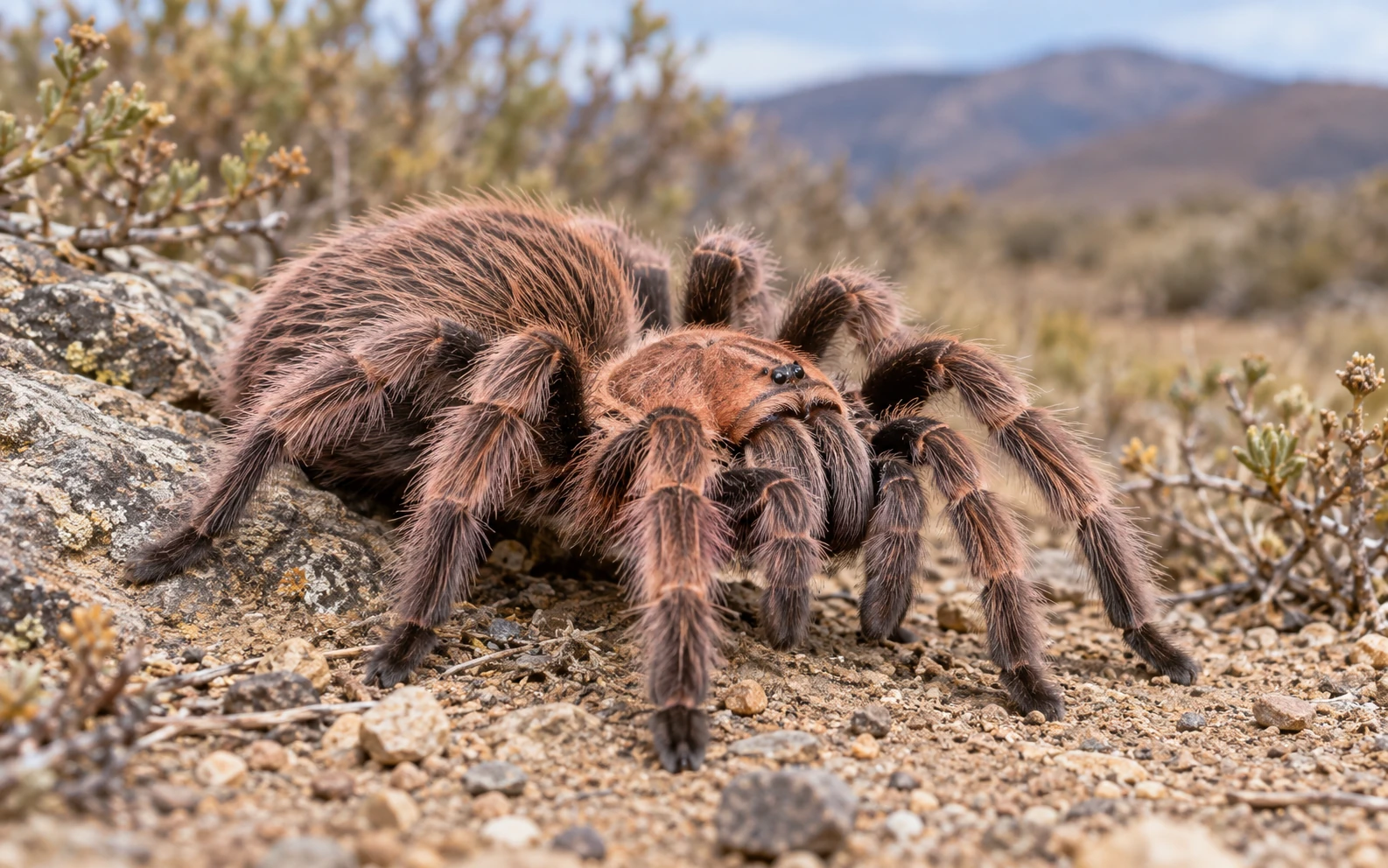
Chilean rose tarantula
A Chilean rose tarantula needs a sheltered ground-level home, room to burrow and drinking water. Expect quiet periods and sometimes long fasts, while continuing to watch its condition and environment.
Care, setup and equipment ↗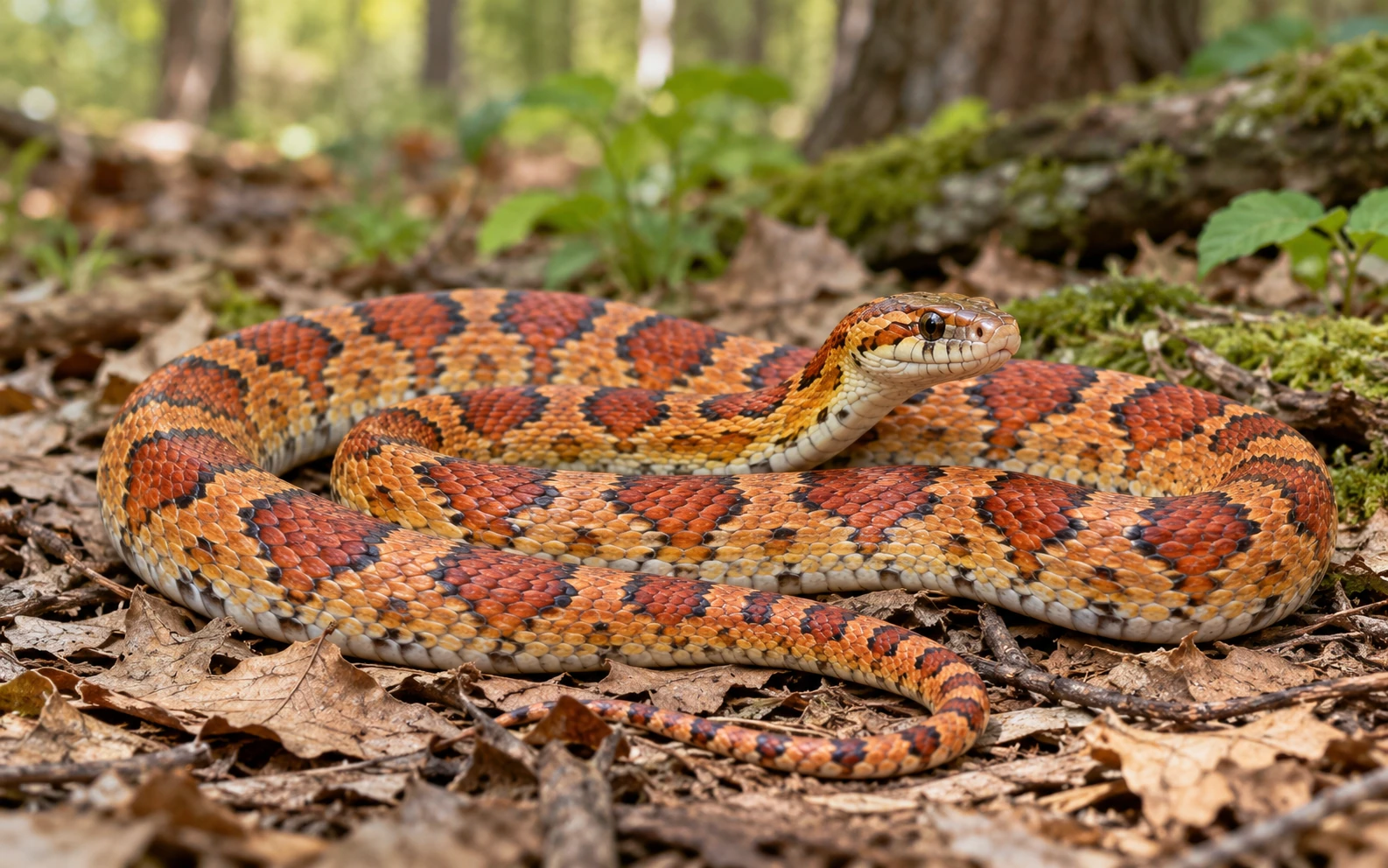
Corn snake
A corn snake needs secure housing long enough to stretch out, hiding places at different temperatures and room to explore. Build its routine around measured conditions, thawed whole prey and calm observation.
Care, setup and equipment ↗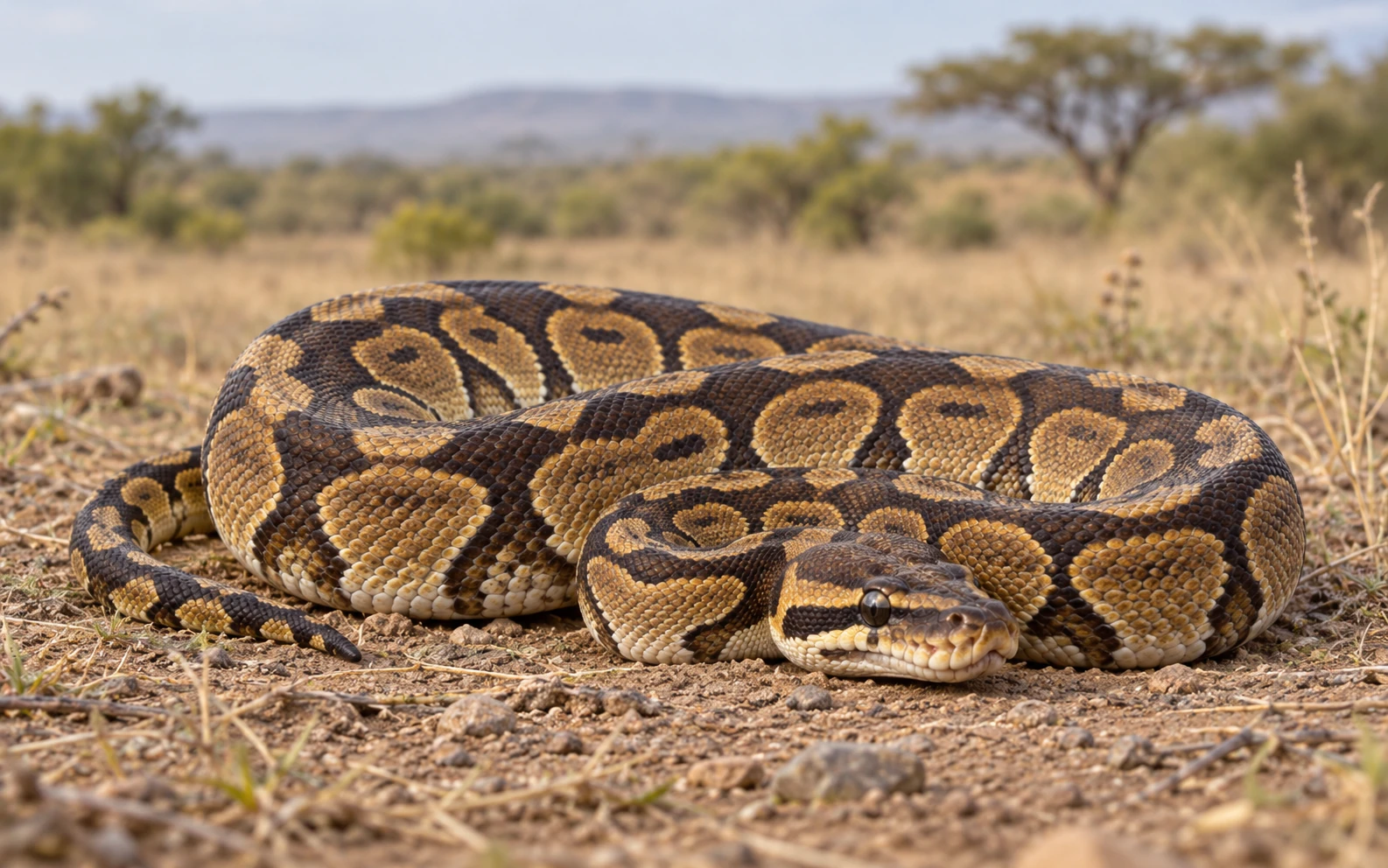
Royal python
A royal python needs a spacious enclosure with snug sheltered choices, clean water and reliable warmth. Hiding is normal, but it does not remove the need for room to stretch, explore and climb.
Care, setup and equipment ↗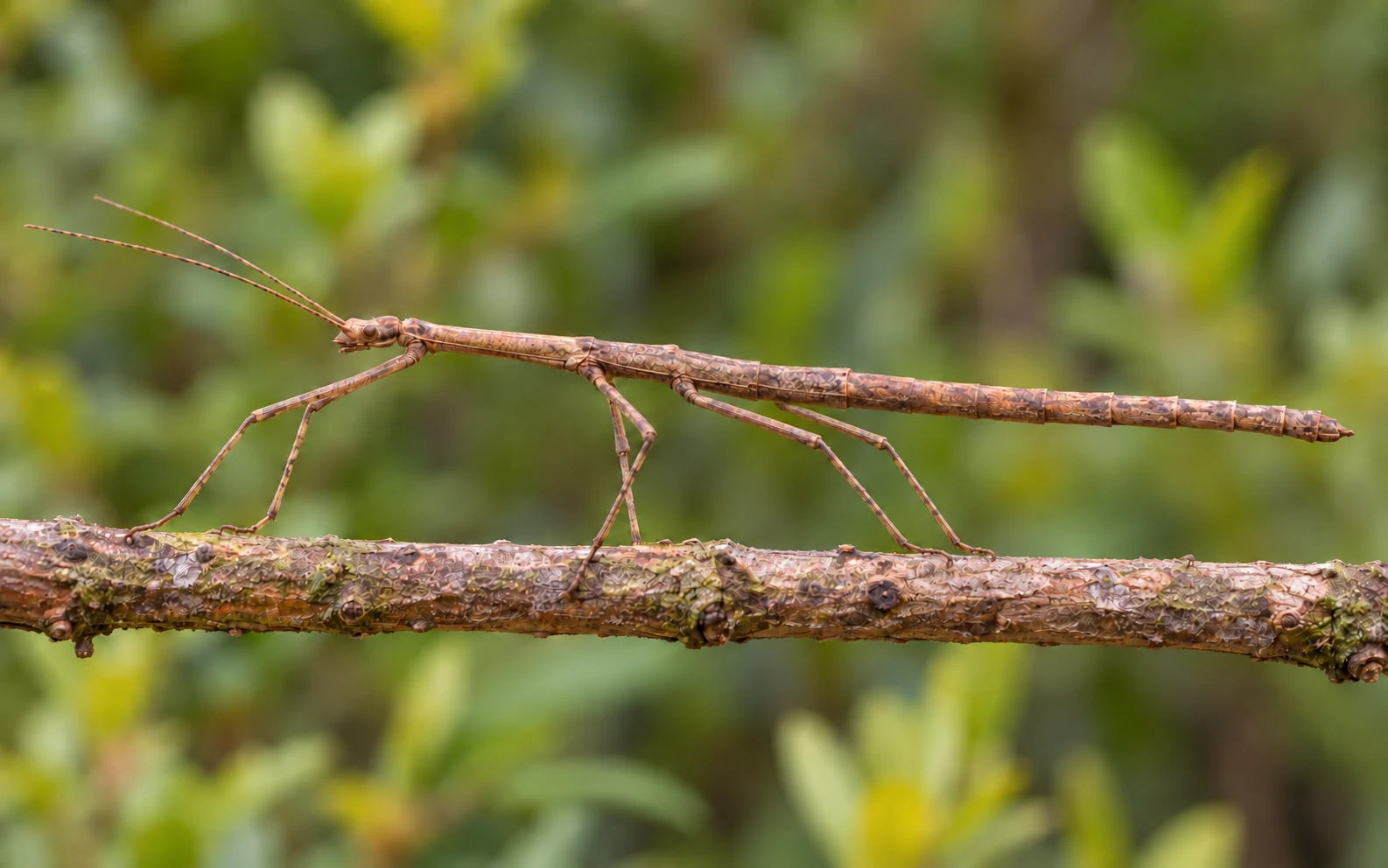
Indian stick insect
Indian stick insects need fresh leaves, secure hanging space and a plan for eggs. A lone female can produce offspring, so population care starts before you bring the first insect home.
Care, setup and equipment ↗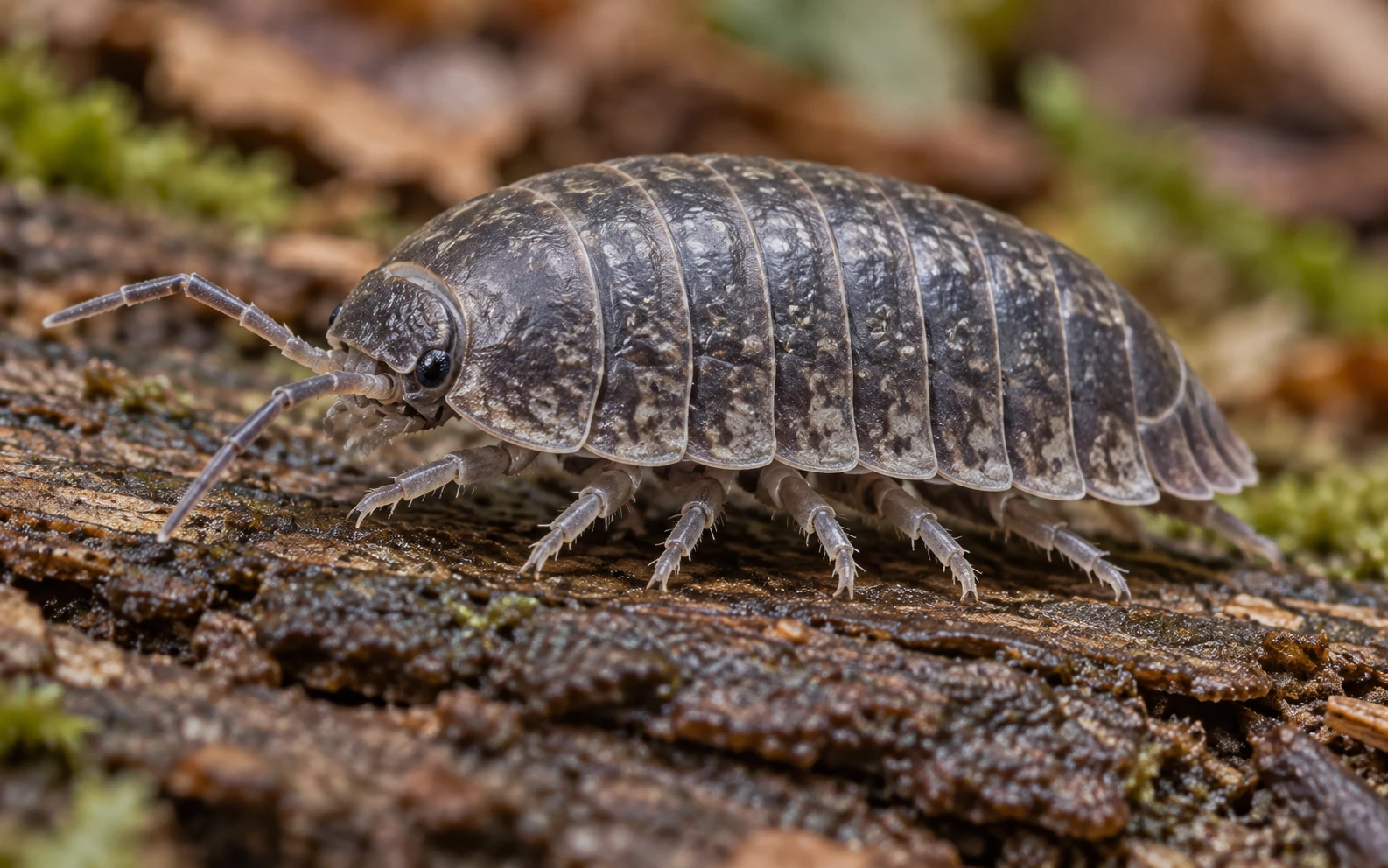
Common pill woodlouse
Common pill woodlice need decaying leaves and a choice between damp shelter and less damp ground. Keep them as a colony to observe, with space for the young and newly moulted animals hidden beneath the cover.
Care, setup and equipment ↗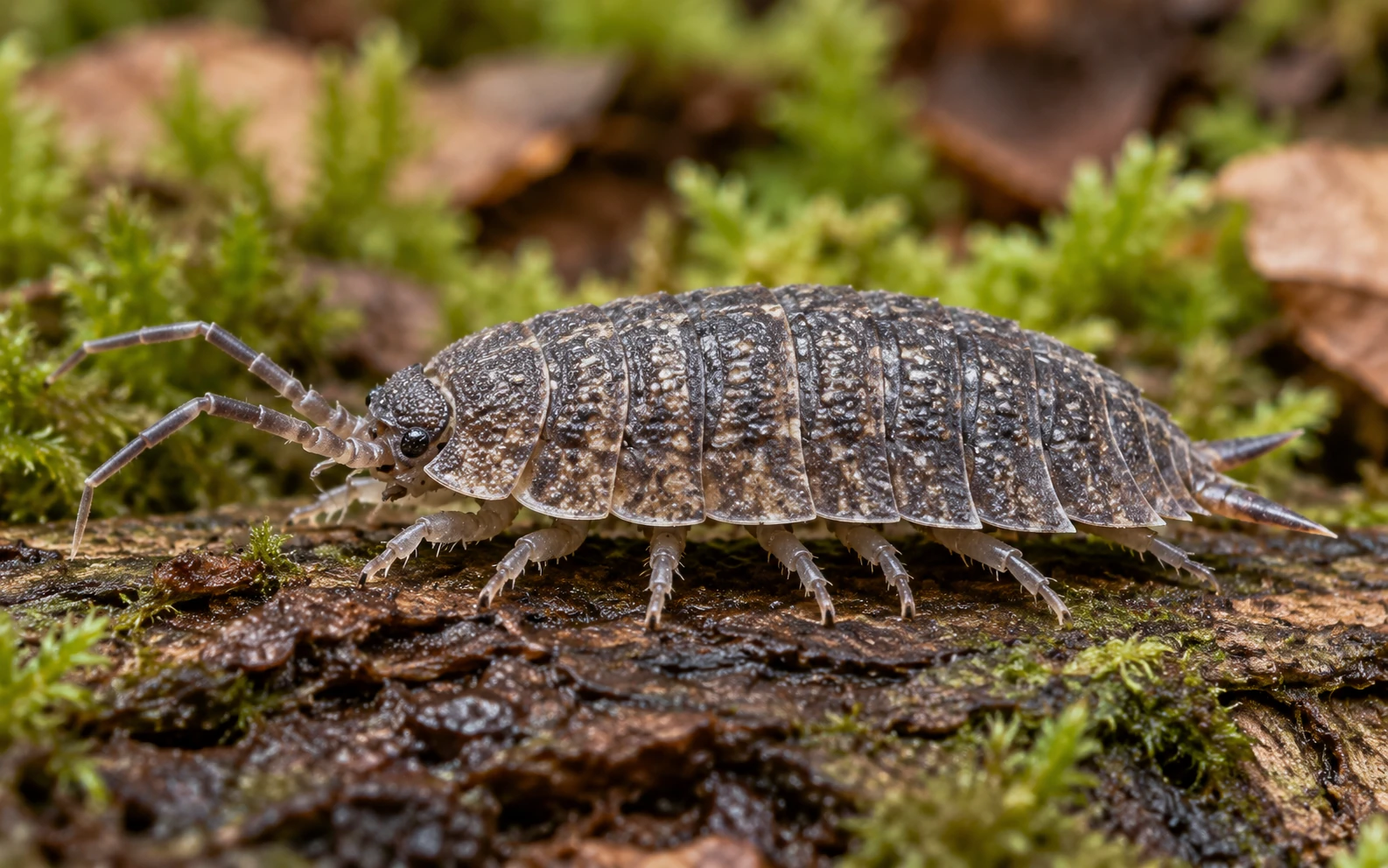
Common rough woodlouse
Common rough woodlice are active colony animals that spend much of their time under cover. Supply decaying leaves and a damp refuge, and use regular habitat checks to follow the colony’s needs.
Care, setup and equipment ↗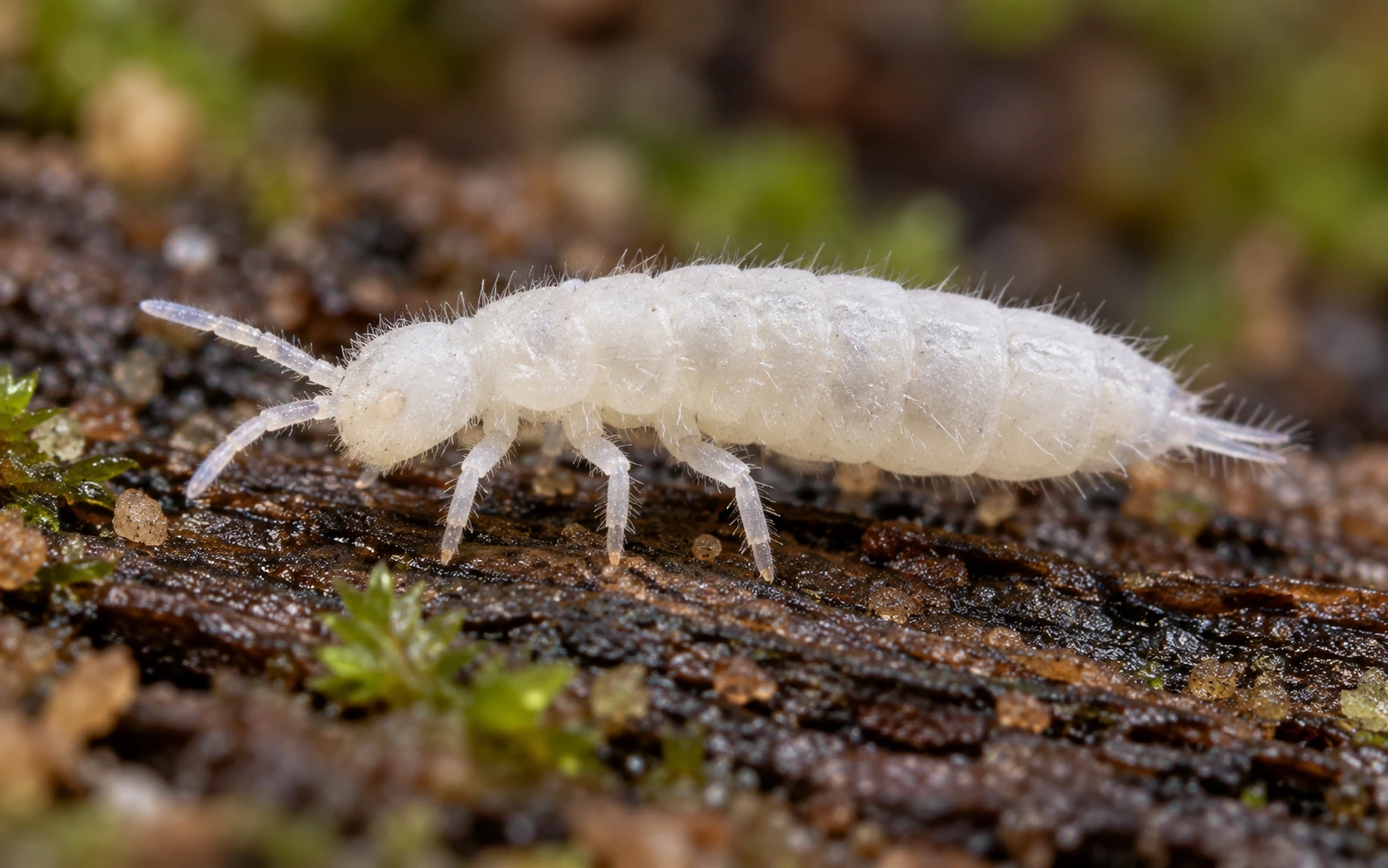
White springtail
White springtails are tiny soil animals usually kept as a culture. Keep their substrate moist, feed sparingly and maintain a backup rather than relying on one enclosure population to solve every waste or mould problem.
Care, setup and equipment ↗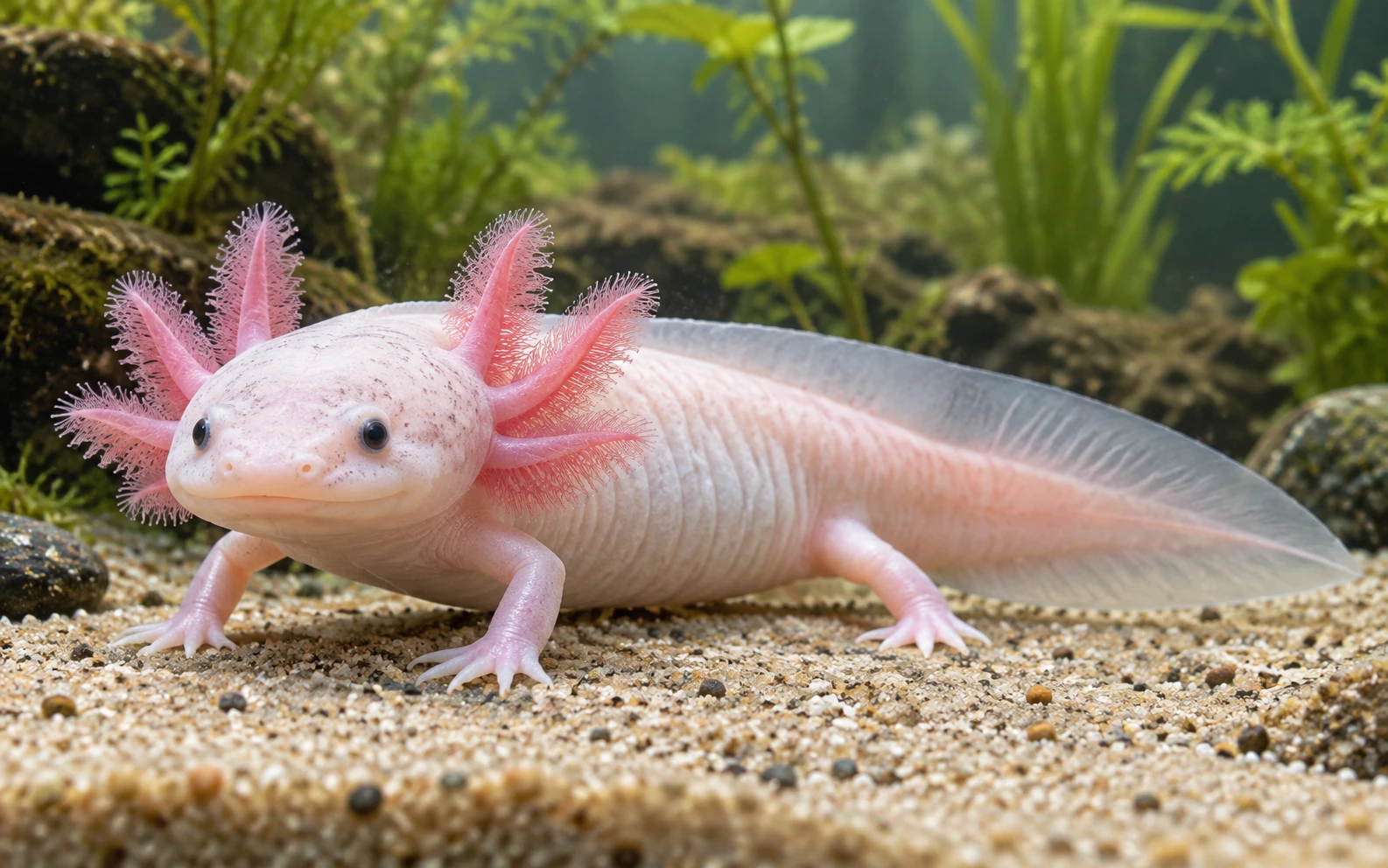
Axolotl
An axolotl needs a cool, fully cycled aquarium with gentle water movement and safe floor space. Water testing is part of ordinary care, so prepare the filter and a summer cooling plan before bringing one home.
Care, setup and equipment ↗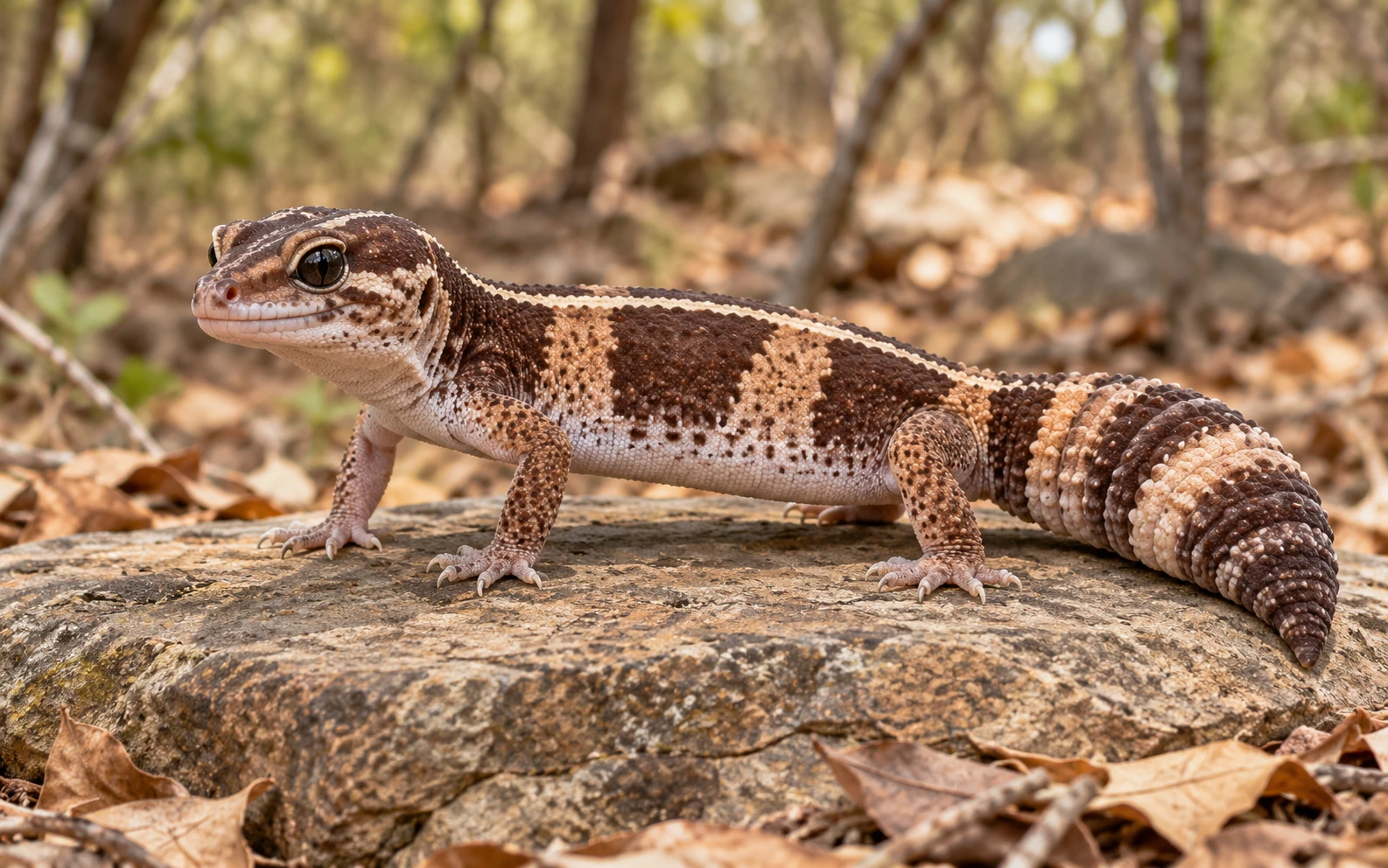
African fat-tailed gecko
An African fat-tailed gecko needs sheltered warmth, a reliably damp hide and a varied insect diet. Its resemblance to a leopard gecko should not lead to a permanently dry desert setup.
Care, setup and equipment ↗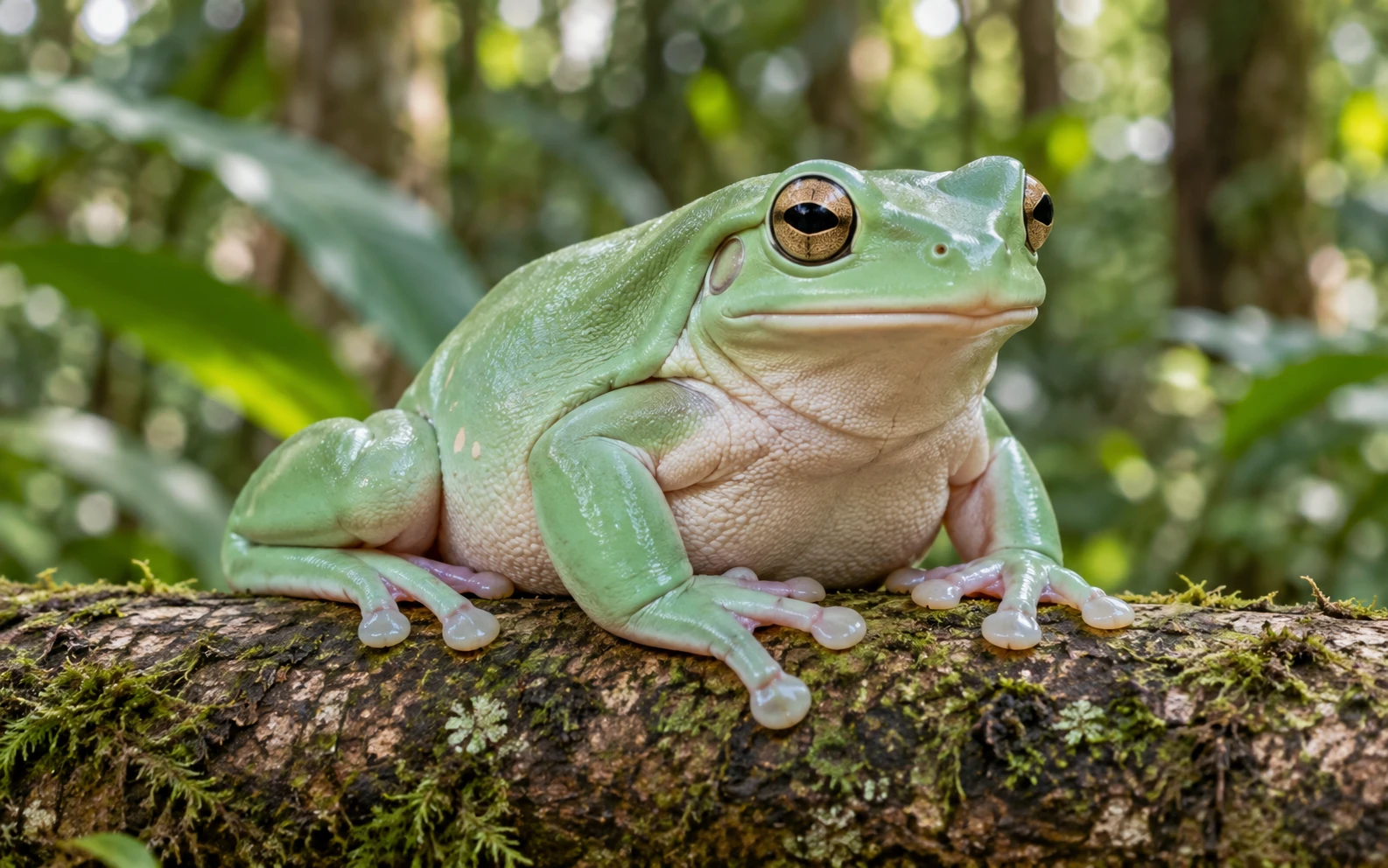
White’s tree frog
White’s tree frogs need broad climbing rests, shaded shelter and clean treated water. They can remain interested in food after eating enough, so watch body condition as carefully as appetite.
Care, setup and equipment ↗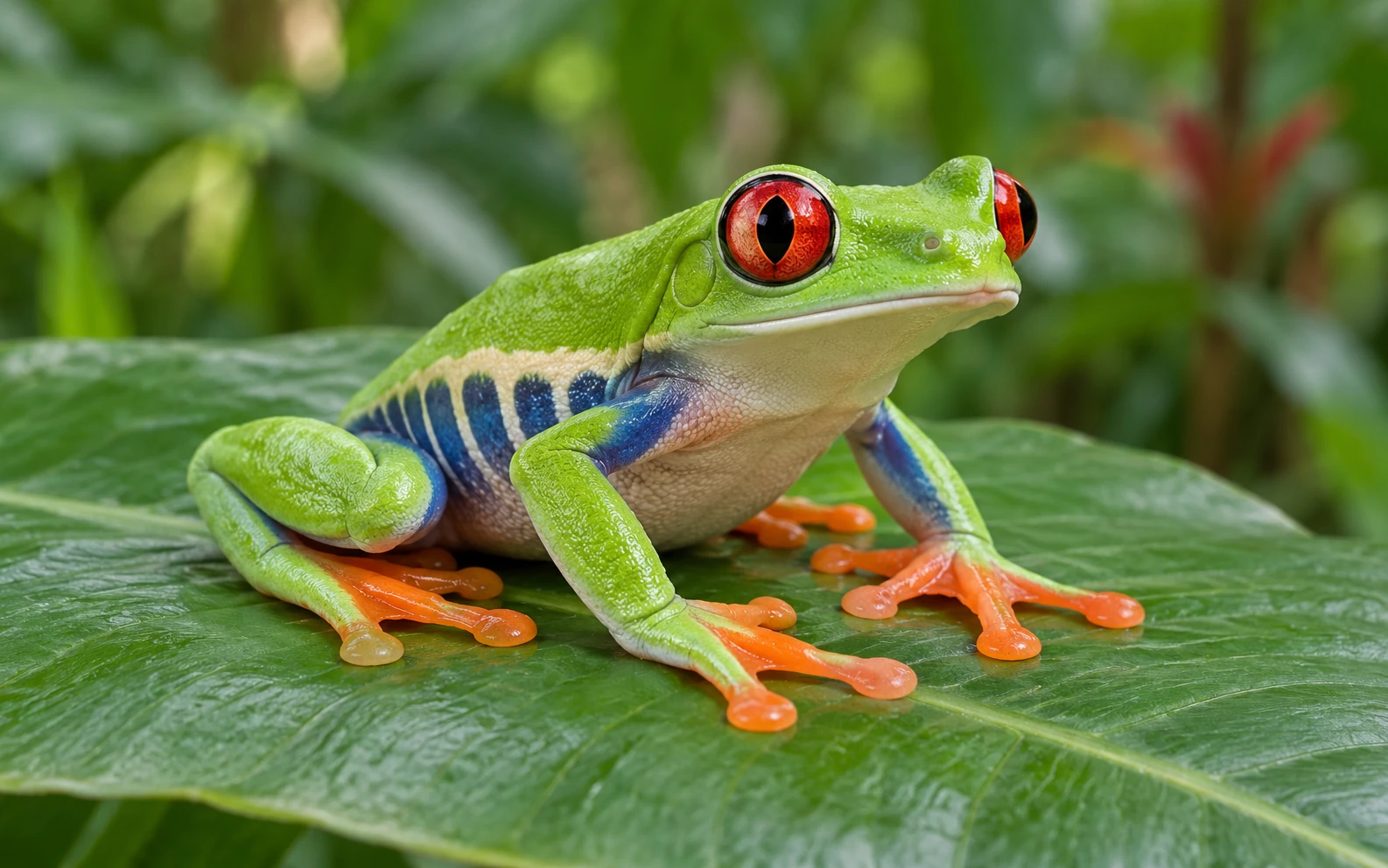
Red-eyed tree frog
A red-eyed tree frog needs leafy privacy during the day and safe climbing routes for its active hours. Clean water and a well-drained moisture cycle matter more than keeping every surface constantly wet.
Care, setup and equipment ↗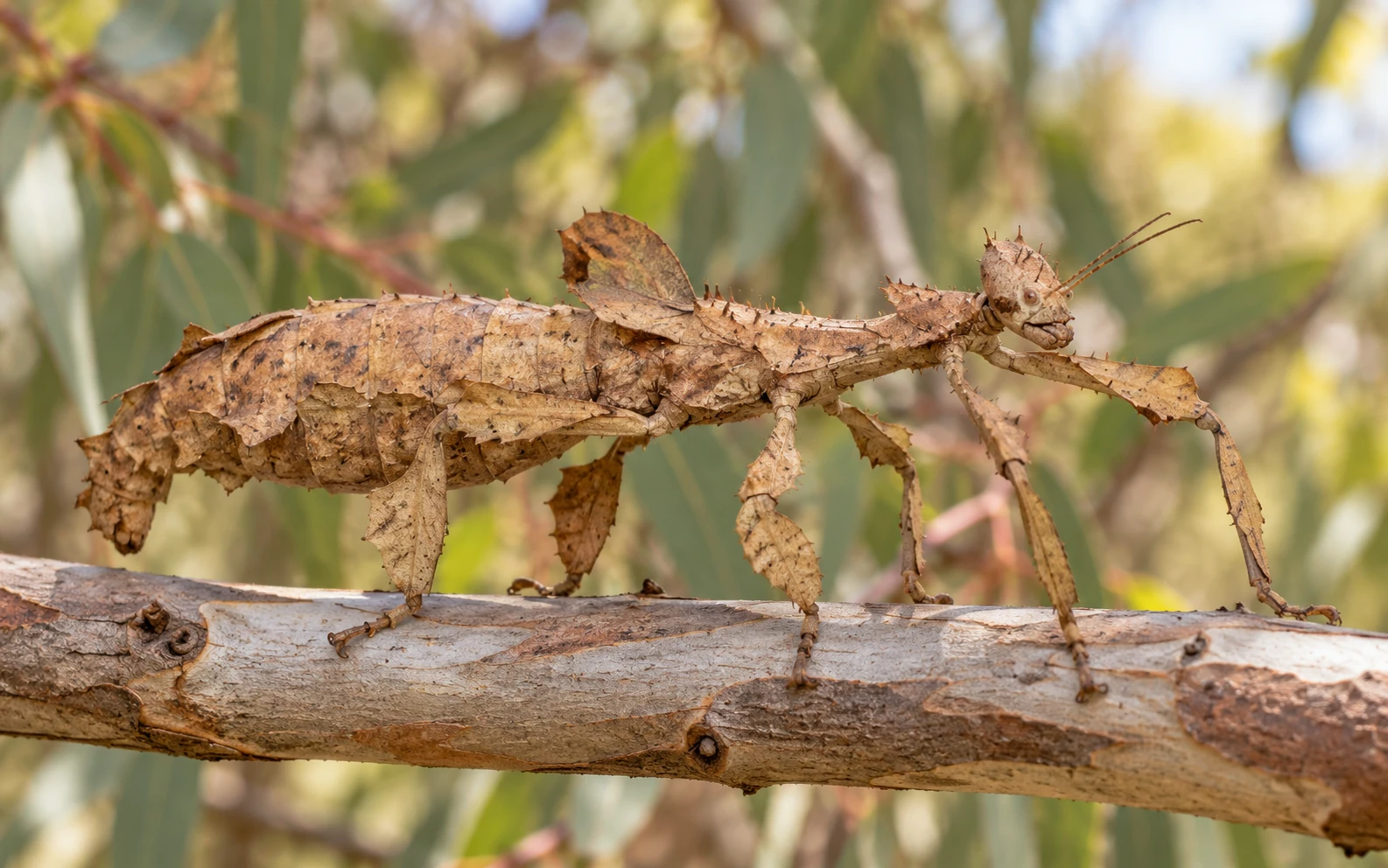
Giant prickly stick insect
Giant prickly stick insects need fresh browse and generous clear hanging space. Plan around the larger female, and prepare for eggs even if your insect has never met a male.
Care, setup and equipment ↗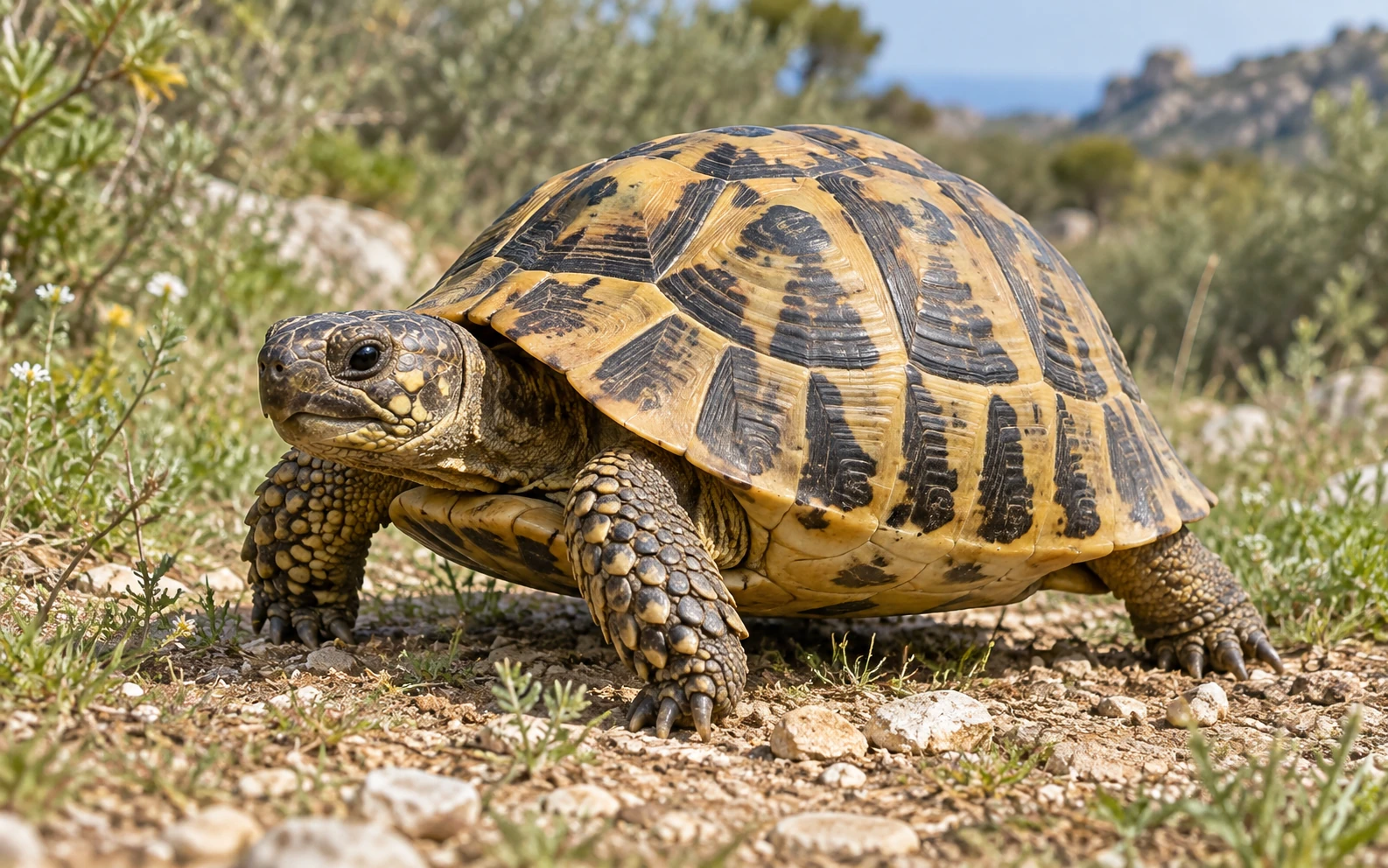
Hermann’s tortoise
A Hermann’s tortoise needs varied ground to explore, safe outdoor access when conditions suit and a planned winter routine. Think in decades of care, including who could look after it in the future.
Care, setup and equipment ↗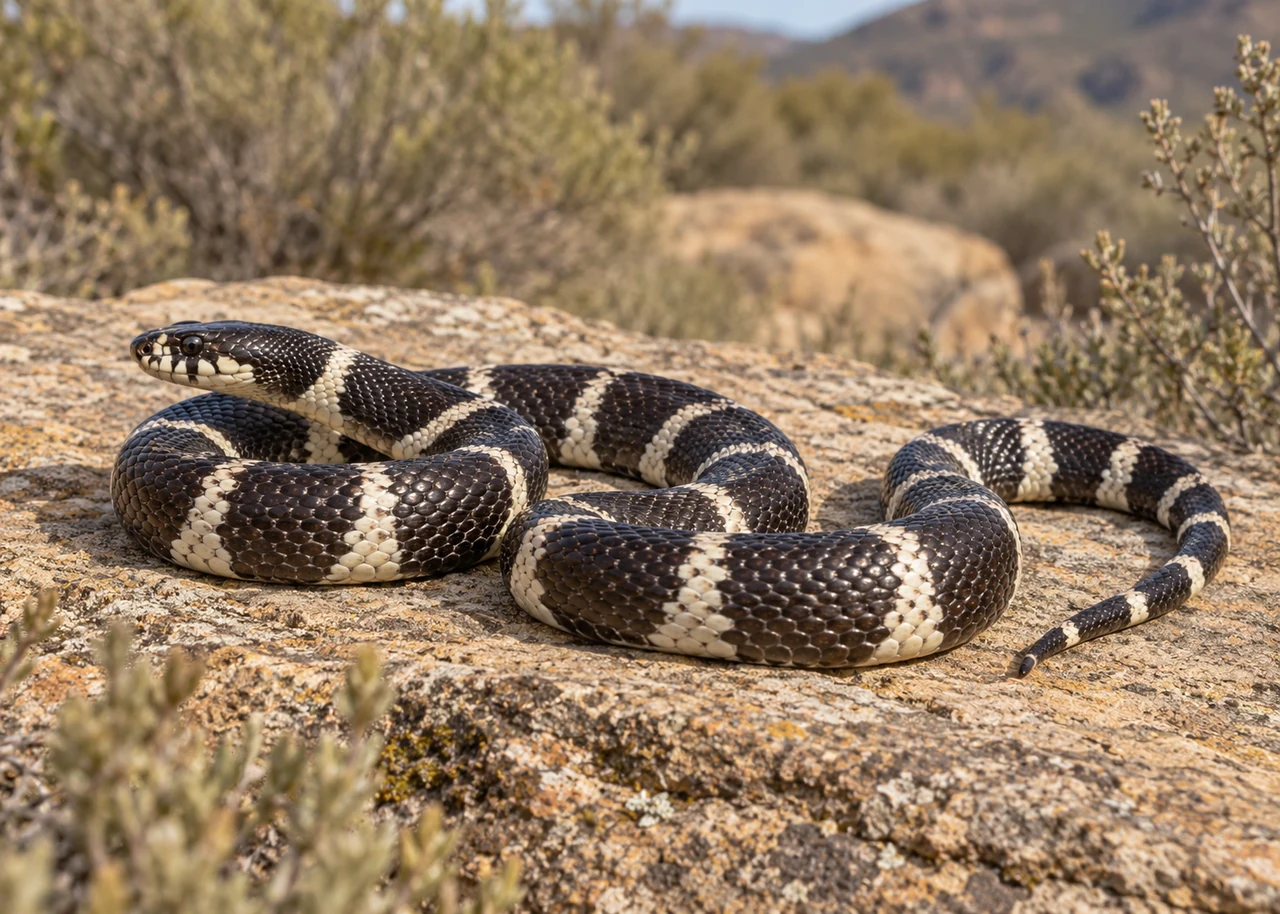
California kingsnake
A California kingsnake needs secure room to stretch, explore and hide. Keep it alone, provide warm and cool sheltered choices, and use feeding records to prevent a strong appetite becoming overfeeding.
Care, setup and equipment ↗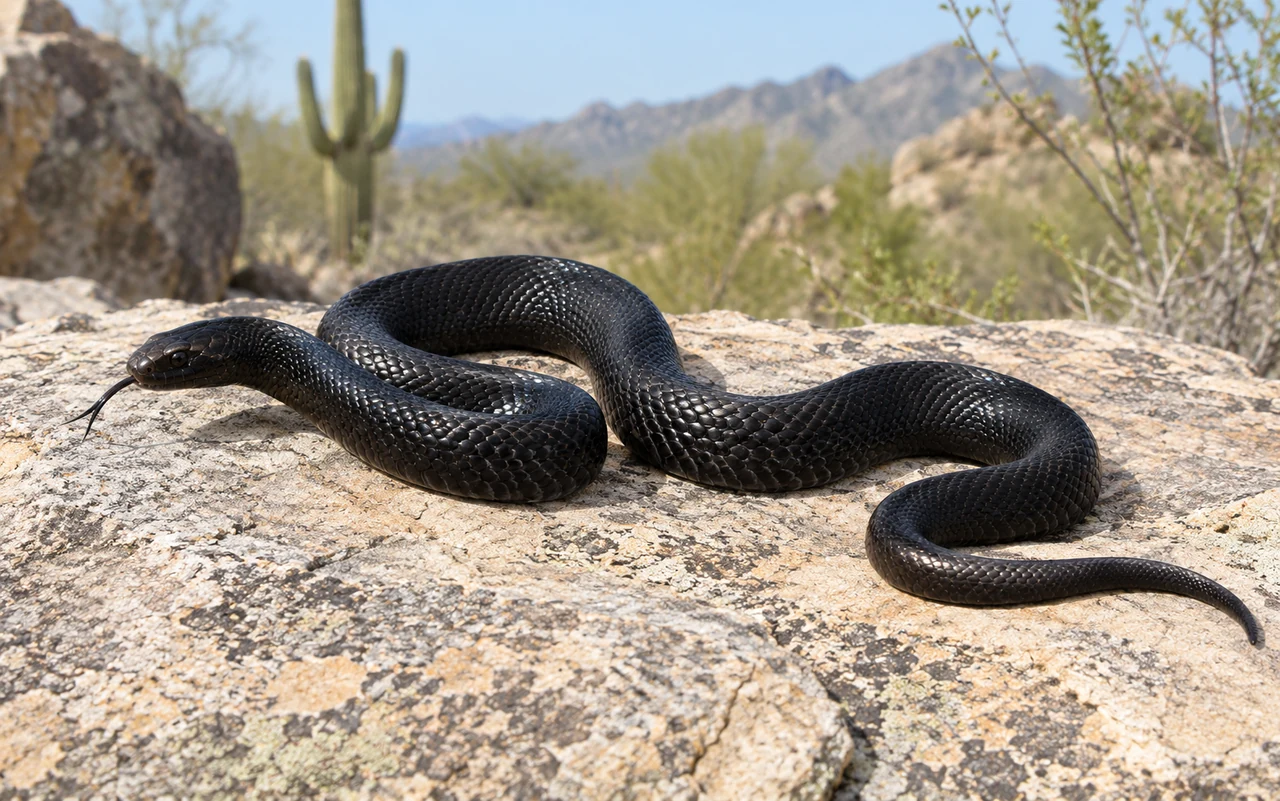
Mexican black kingsnake
A Mexican black kingsnake needs room to explore and secure retreats at different temperatures. Its strong feeding response makes careful meal records and clean handling cues especially useful.
Care, setup and equipment ↗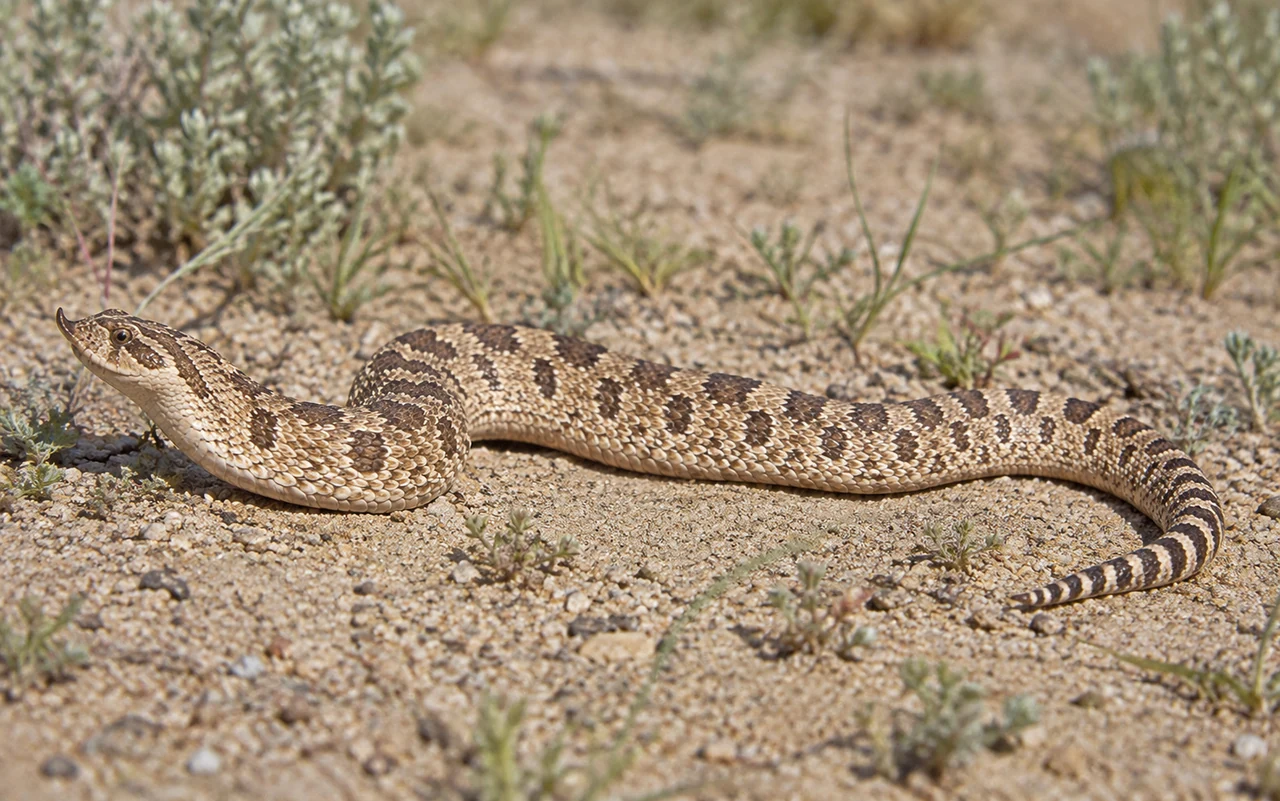
Western hognose snake
A western hognose needs deep digging space, sheltered temperature choices and a reliable feeding history. Treat its defensive behaviour respectfully and plan handling around the risk of a prolonged rear-fanged bite.
Care, setup and equipment ↗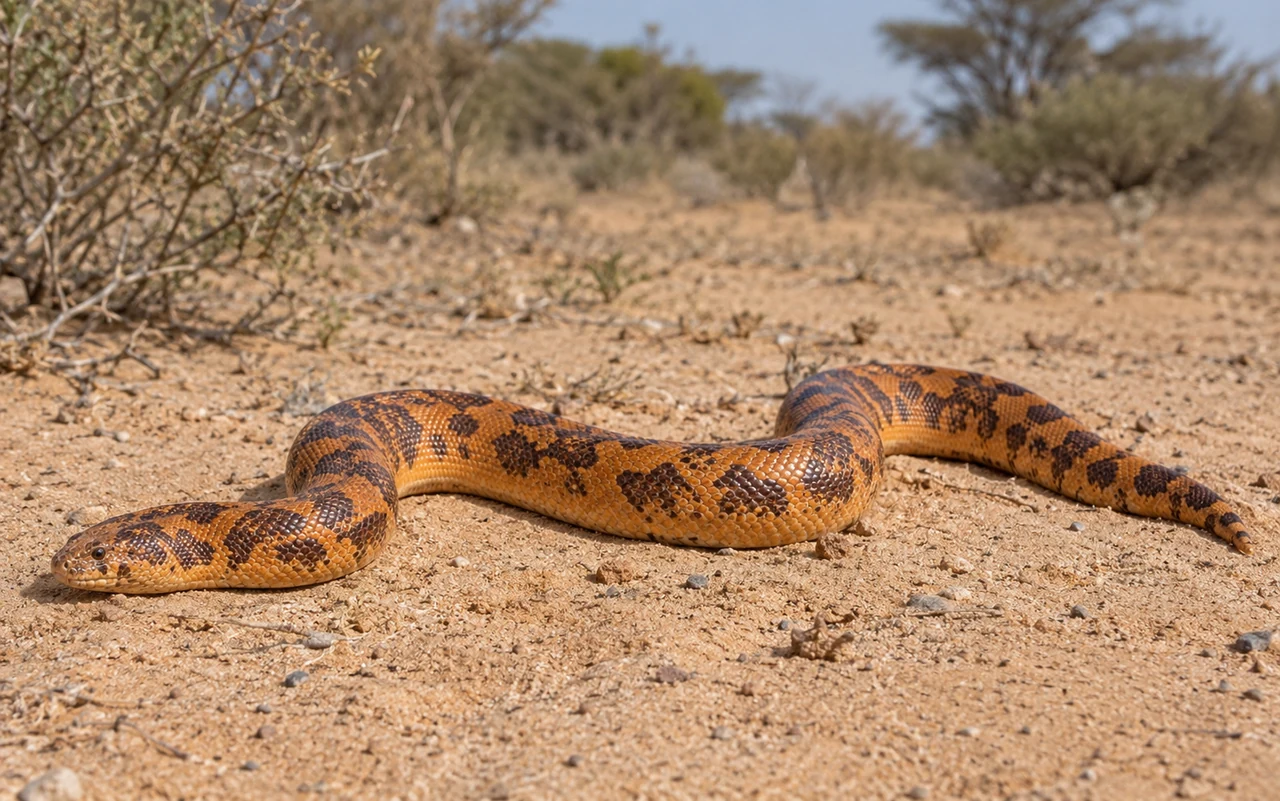
Kenyan sand boa
A Kenyan sand boa spends much of its time beneath the substrate. Give it enough safe digging depth and temperature choices, while continuing daily water and control checks even when it stays hidden.
Care, setup and equipment ↗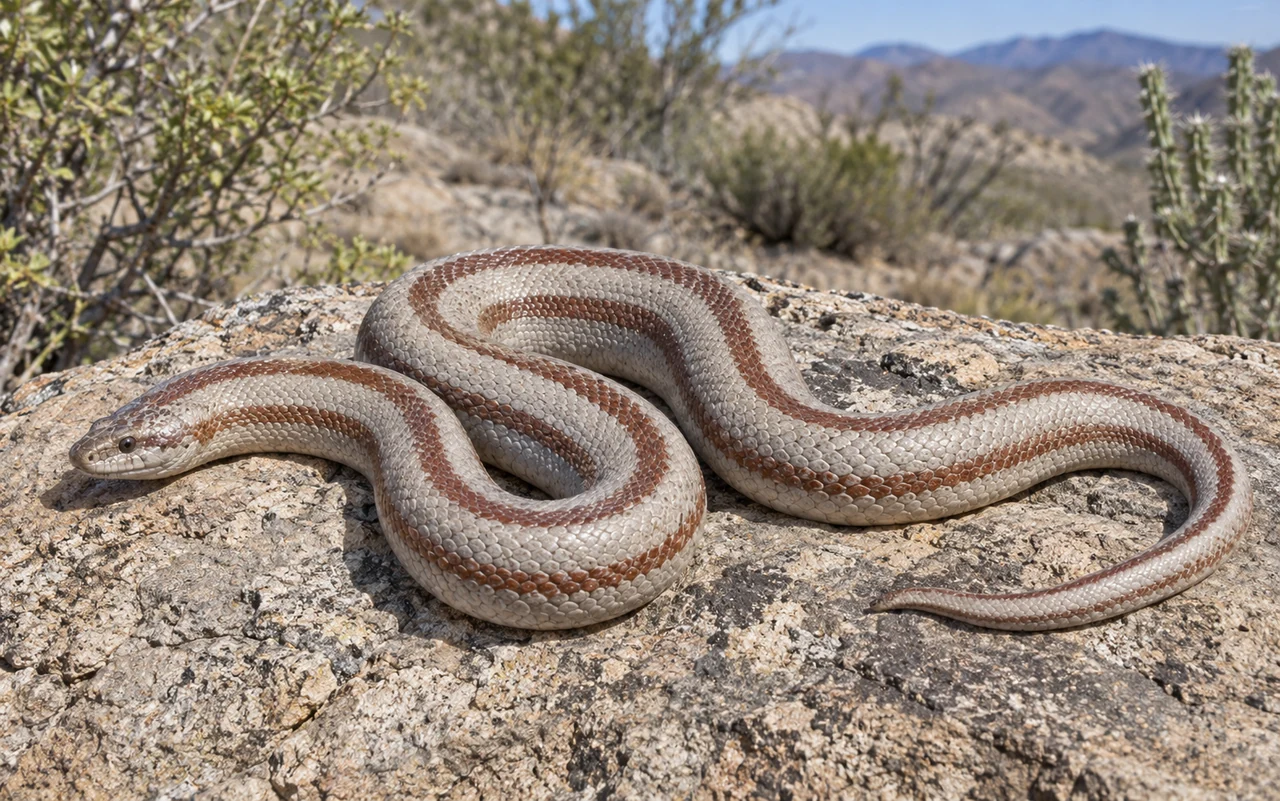
Rosy boa
A rosy boa needs sheltered ground space, stable low climbing routes and drinking water. Its slow movement does not make continuous handling helpful, and its care should follow its documented identity and condition.
Care, setup and equipment ↗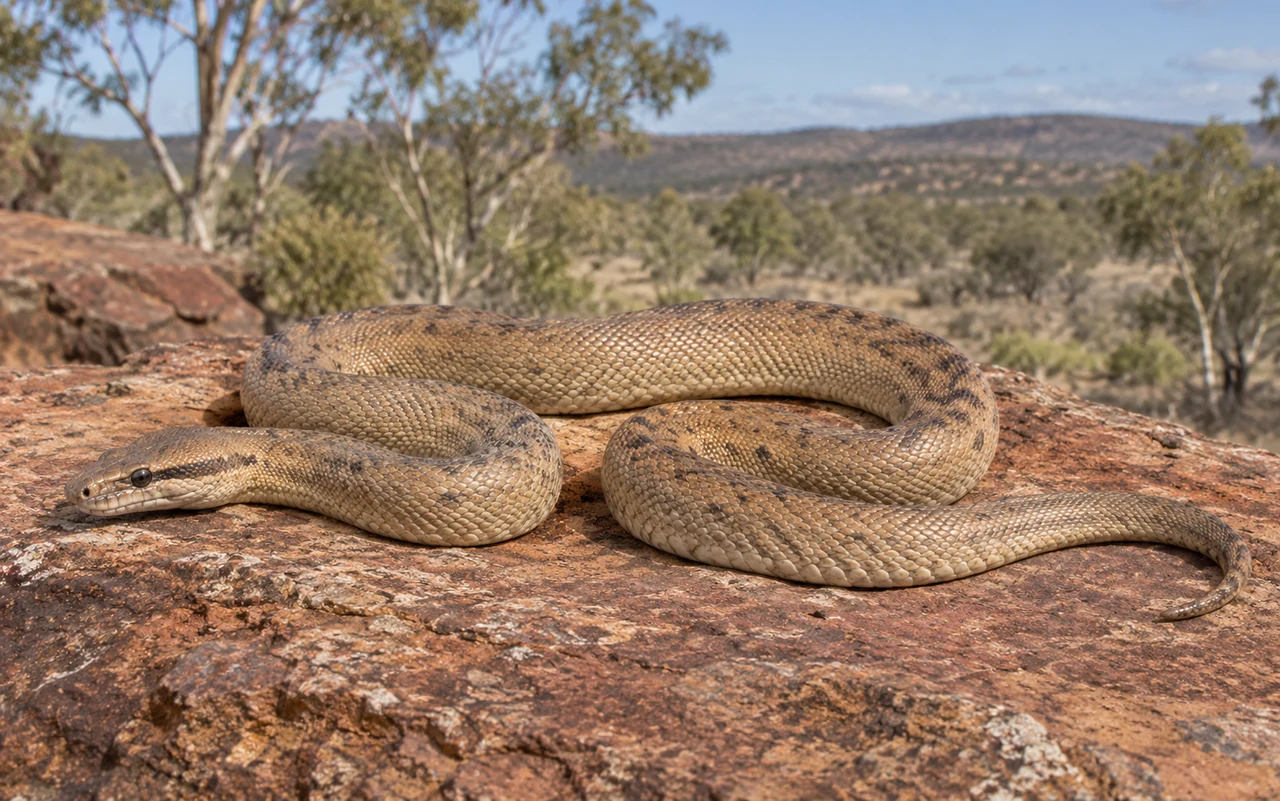
Children’s python
A Children’s python needs full-length housing, sheltered warmth and climbing routes. Young animals have different temperature needs from adults, so choose a plan for the snake you are actually bringing home.
Care, setup and equipment ↗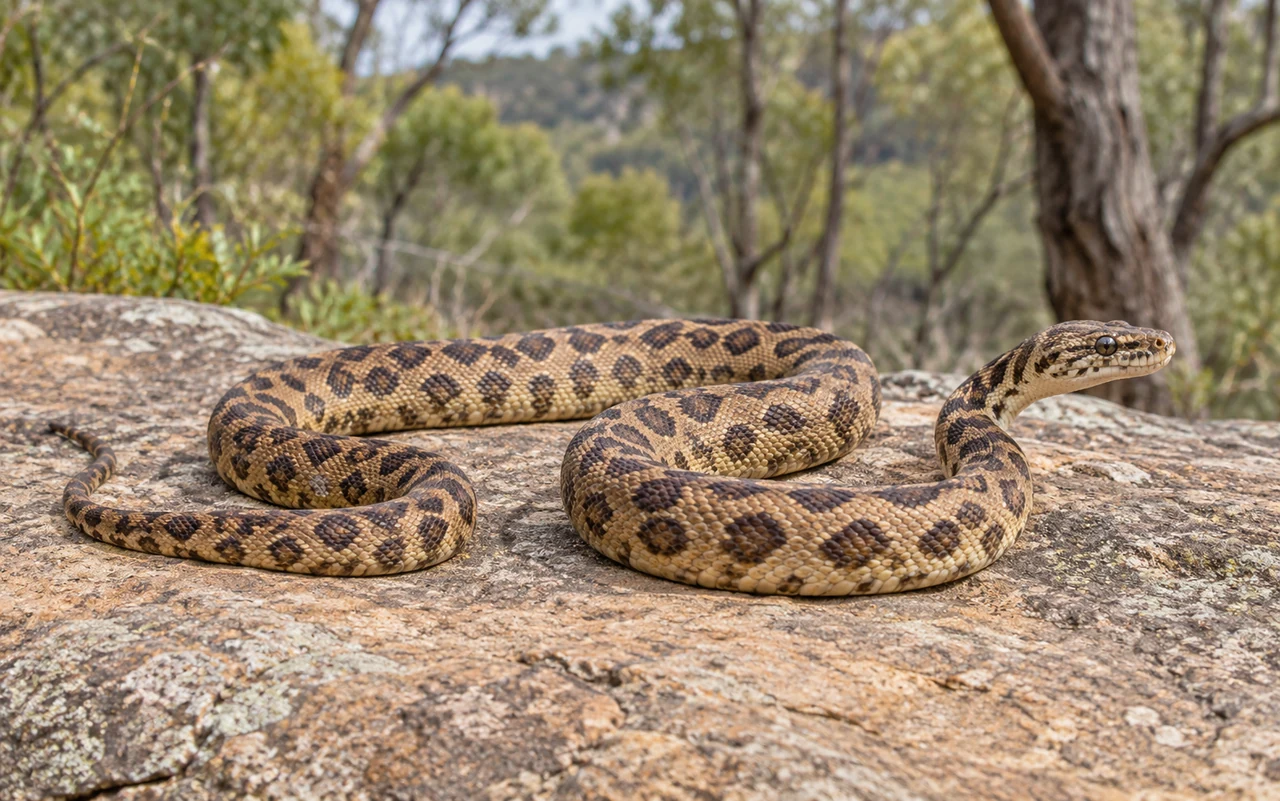
Spotted python
A spotted python needs room to stretch and climb, with sheltered temperature choices suited to its age. Adult size varies, so enclosure decisions should follow measured growth rather than an average length.
Care, setup and equipment ↗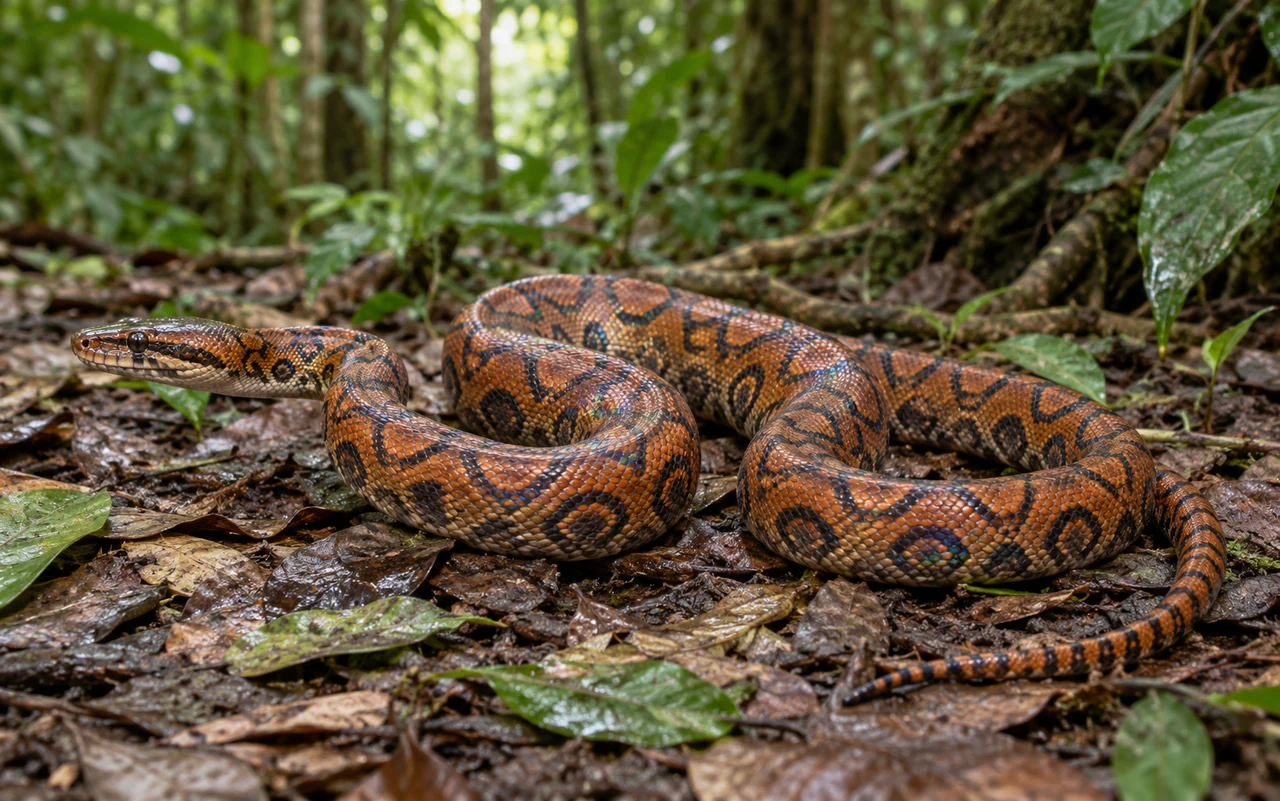
Brazilian rainbow boa
A Brazilian rainbow boa needs substantial space and carefully managed warmth and moisture. Test both the enclosure and a summer cooling plan before buying, especially when caring for a young boa.
Care, setup and equipment ↗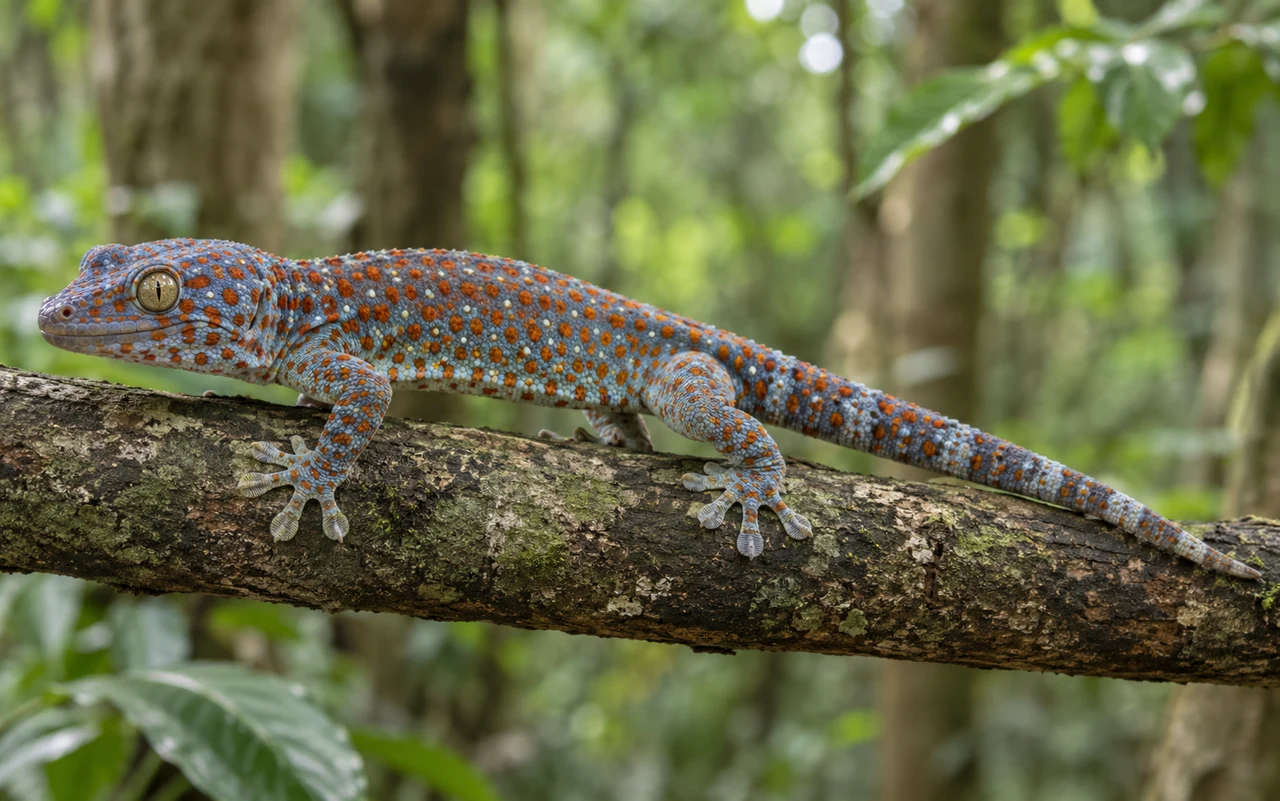
Tokay gecko
A tokay gecko needs a large climbing enclosure and a maintenance routine that respects its retreat. Choose it for observation, with safe access to food and water that does not depend on regular handling.
Care, setup and equipment ↗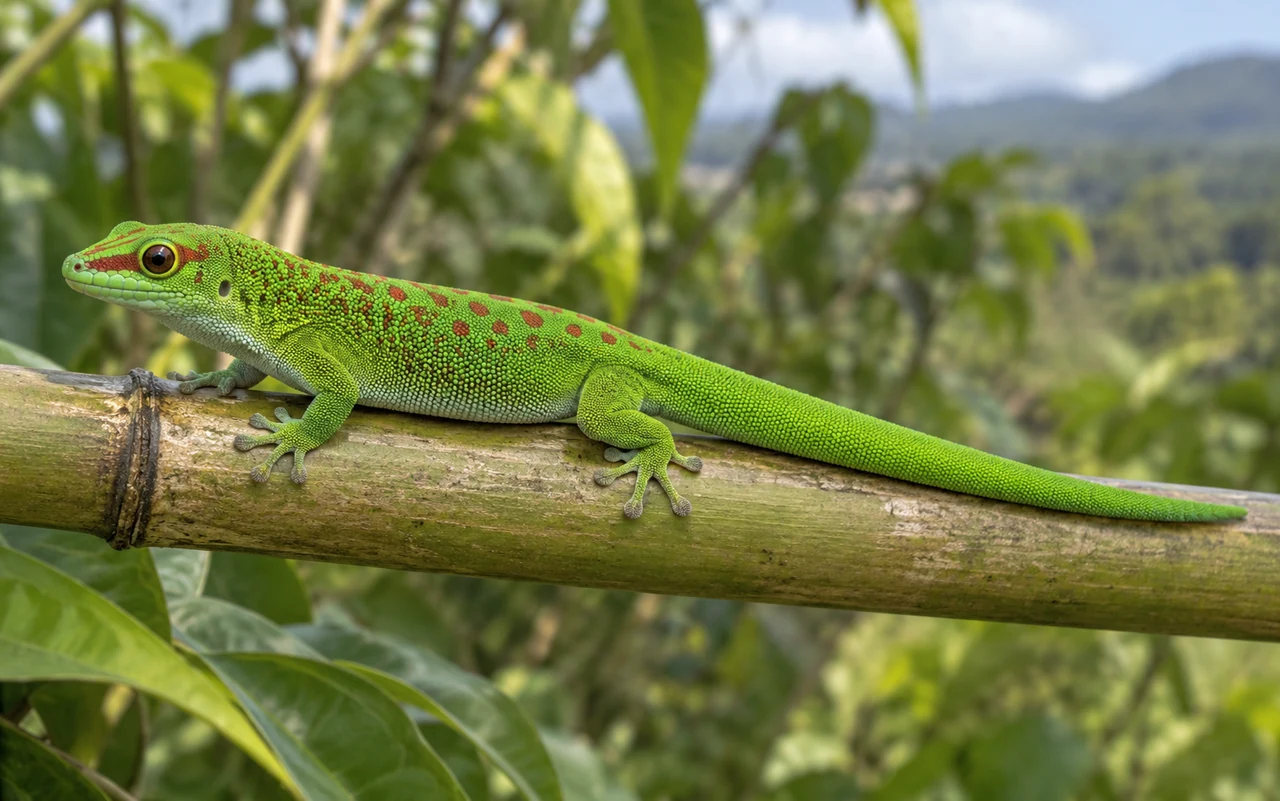
Giant day gecko
A giant day gecko needs bright days, leafy shade and secure climbing routes. Its skin is easily damaged, so a well-planned enclosure lets you watch and care for it without grabbing it.
Care, setup and equipment ↗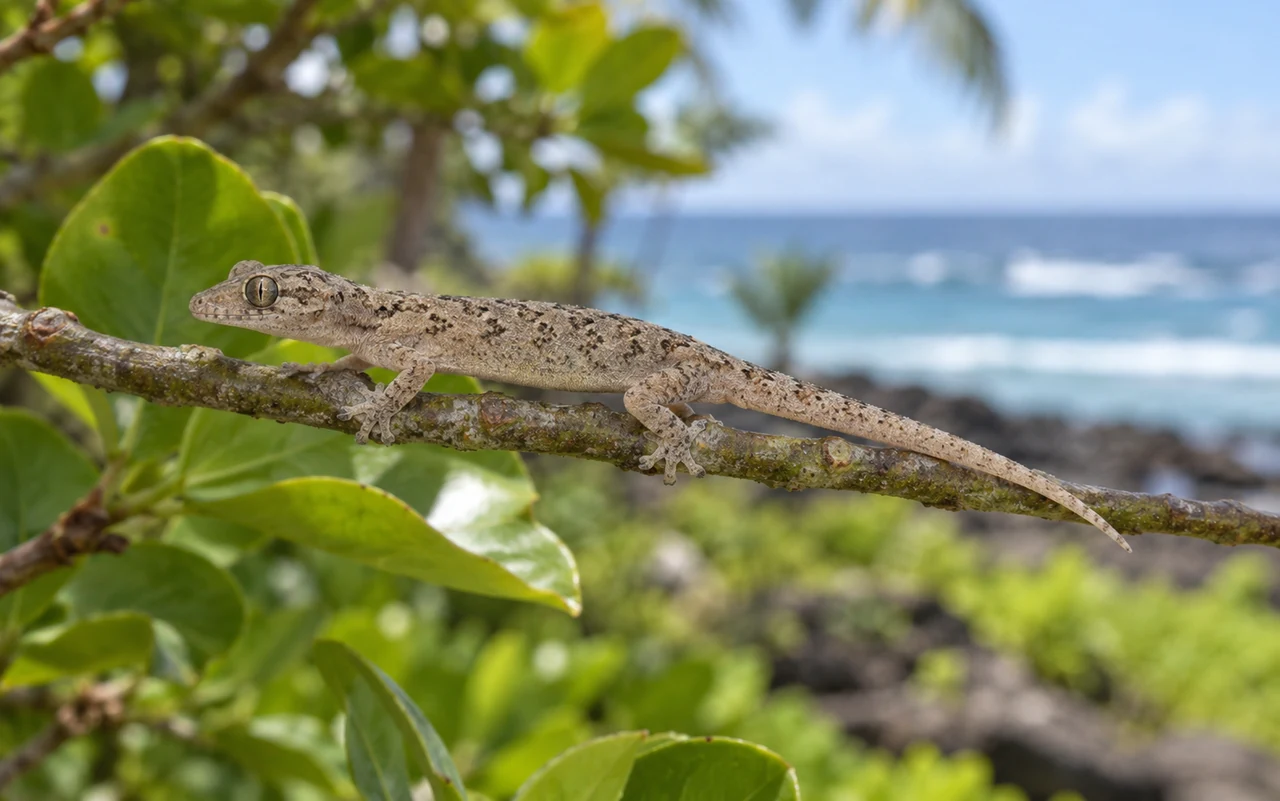
Mourning gecko
Mourning geckos are tiny climbers that can turn a small starter colony into a much larger care commitment. Prepare hatchling-proof housing, several feeding points and an offspring plan before buying.
Care, setup and equipment ↗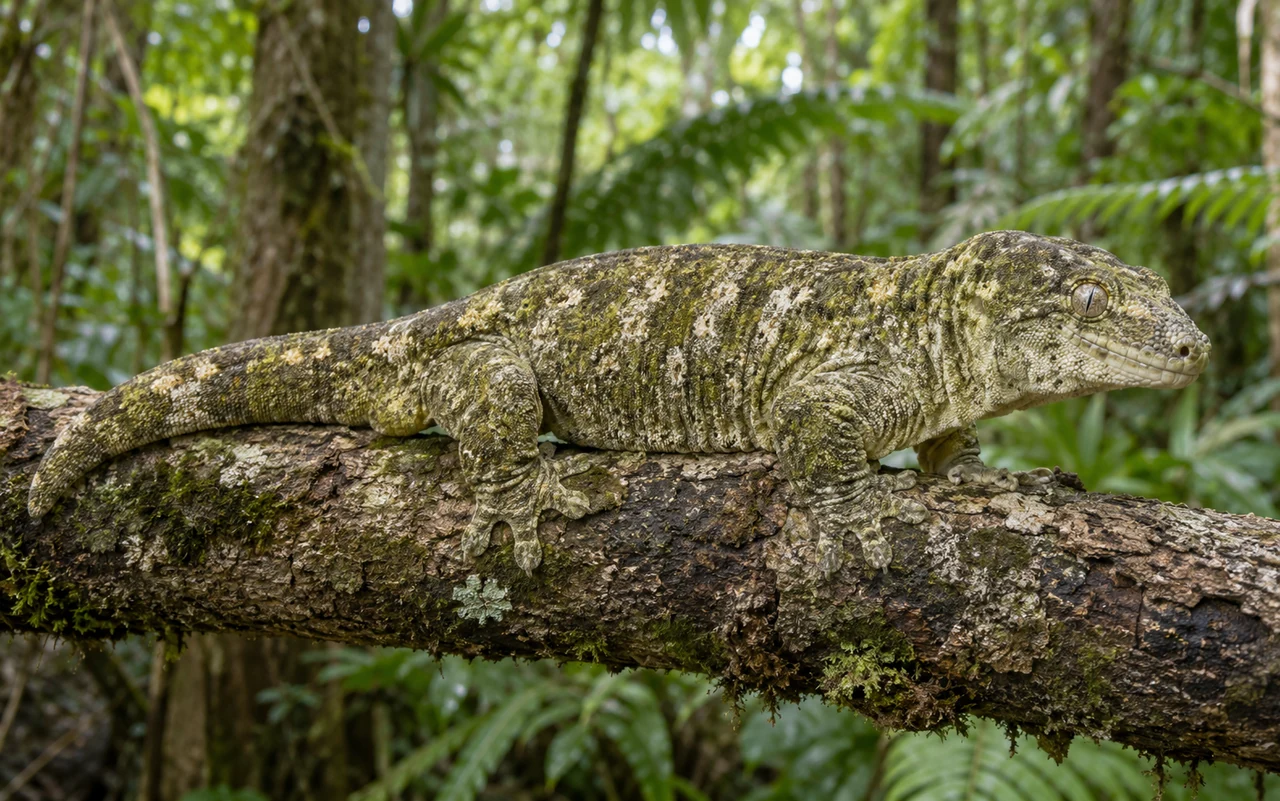
New Caledonian giant gecko
A leachianus gecko needs sturdy climbing furniture, large sheltered rests and a balanced complete diet. Plan its home around the expected adult form: some animals are substantially larger and heavier than others.
Care, setup and equipment ↗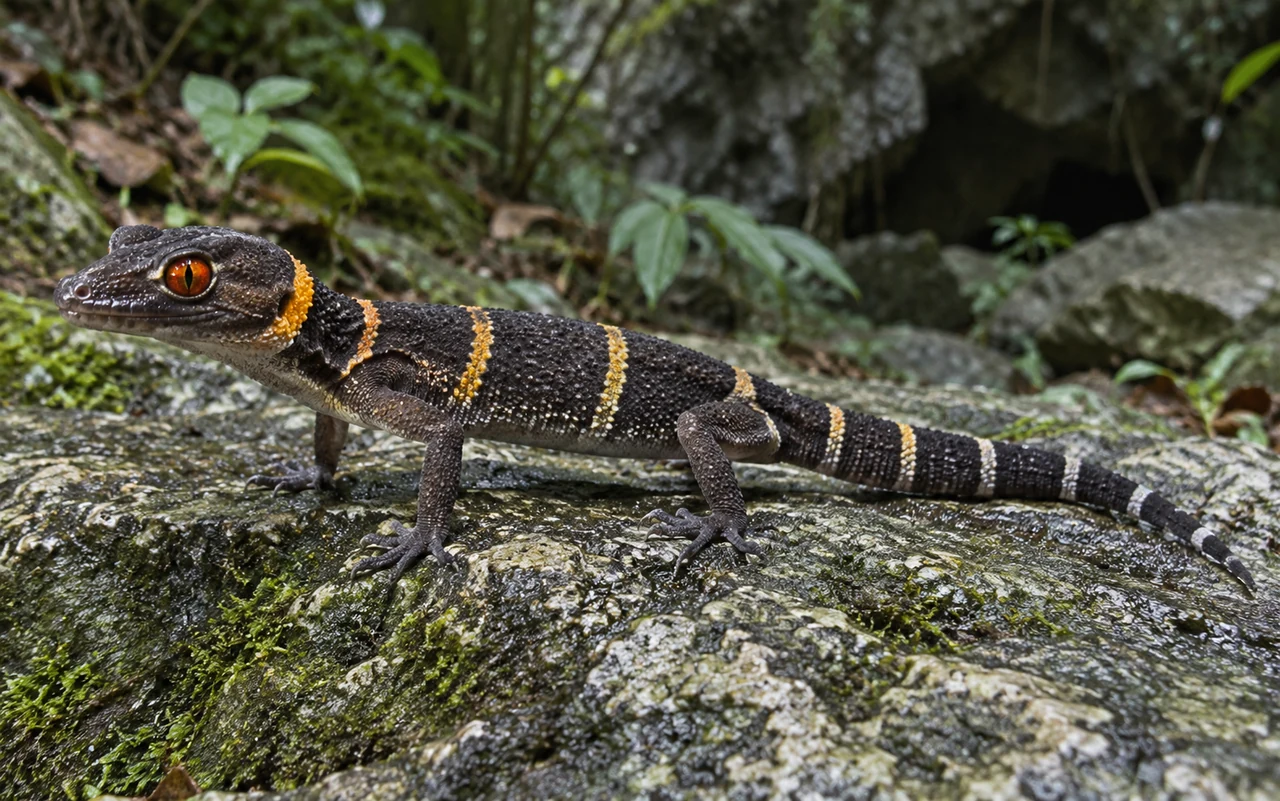
Chinese cave gecko
A Chinese cave gecko needs dark ground-level retreats and a plan to prevent summer overheating. Confirm the exact species, since several different geckos are sold under this common name.
Care, setup and equipment ↗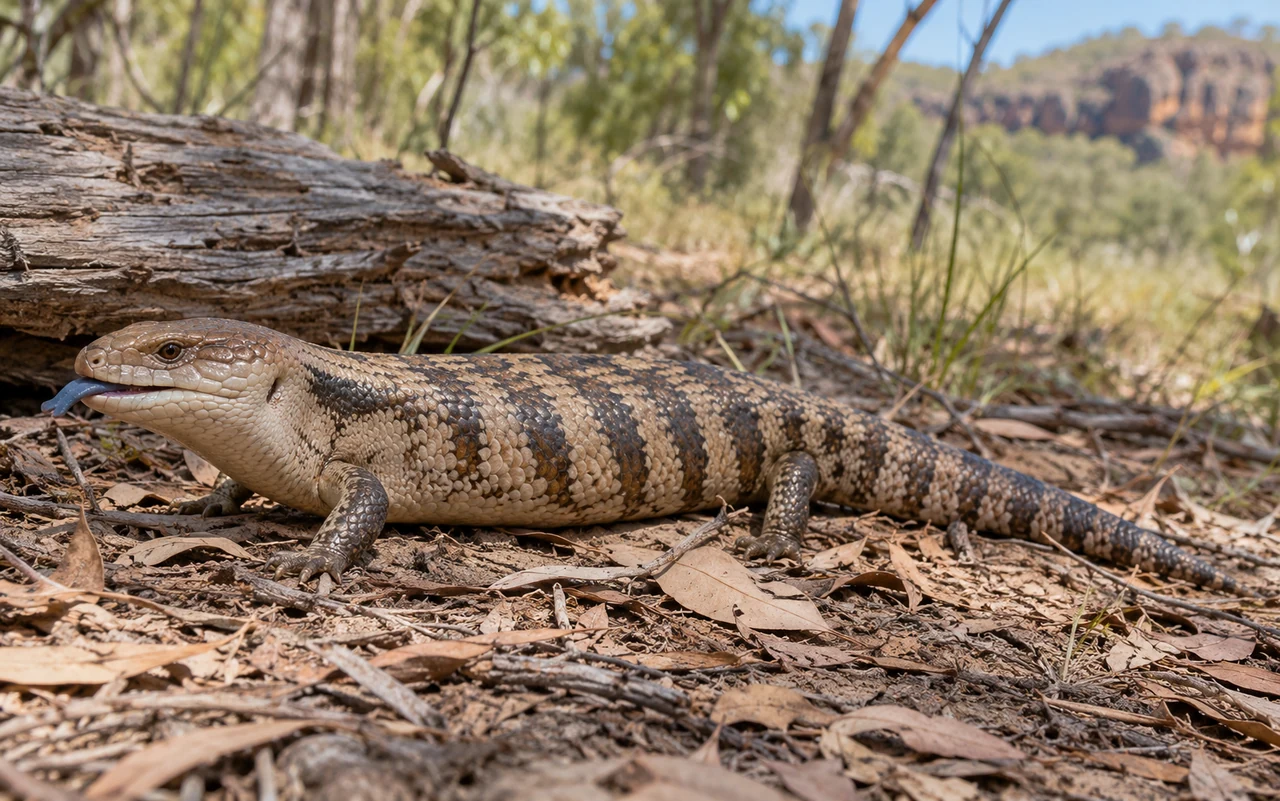
Northern blue-tongued skink
A northern blue-tongued skink needs generous floor space, digging material and a varied mixed diet. Confirm that it is a northern animal before choosing its climate plan; Indonesian skink guidance is different.
Care, setup and equipment ↗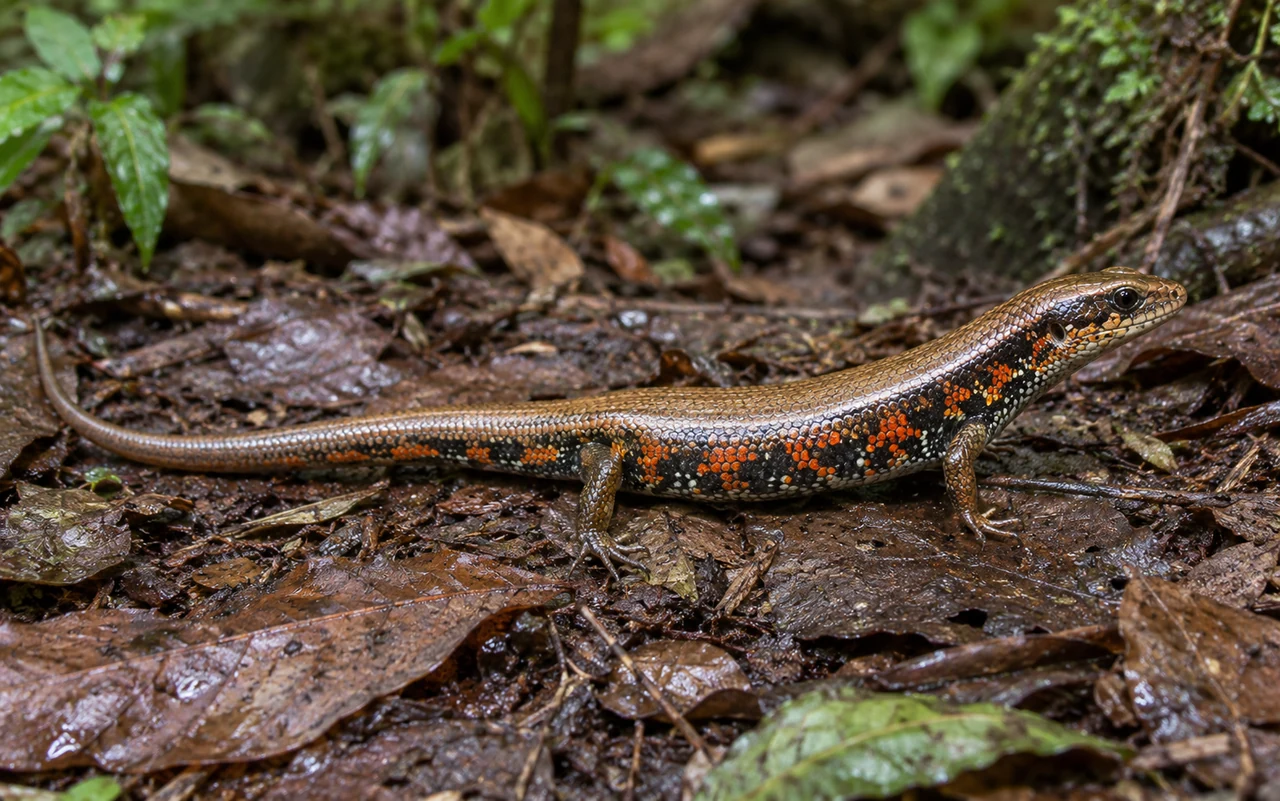
Fire skink
A fire skink needs deep digging material, leaf cover and a quiet way to monitor feeding. It may remain hidden for long periods, so build care around usable refuges rather than making it stay on display.
Care, setup and equipment ↗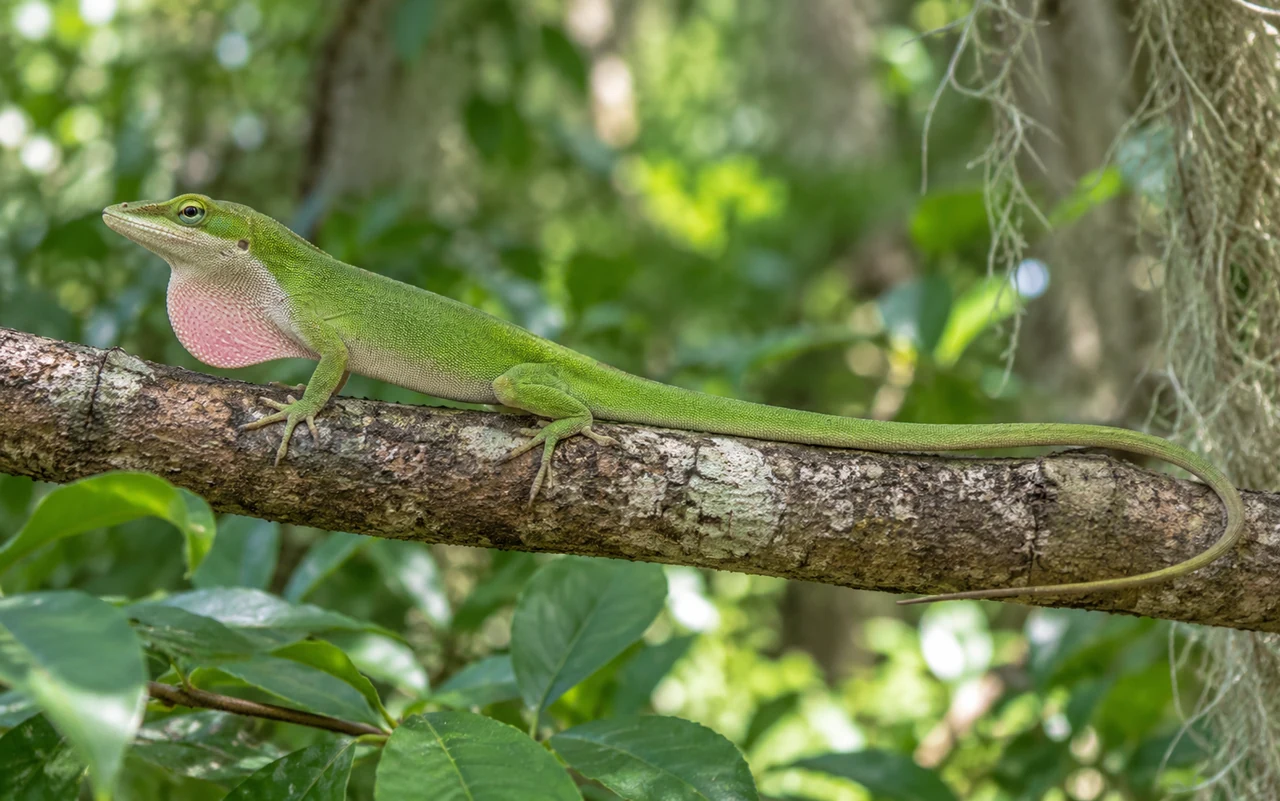
Green anole
A green anole needs leafy climbing routes, bright daytime light and small live insects. Plan for observation and drinking droplets, with enough cover that the animal can choose when to be seen.
Care, setup and equipment ↗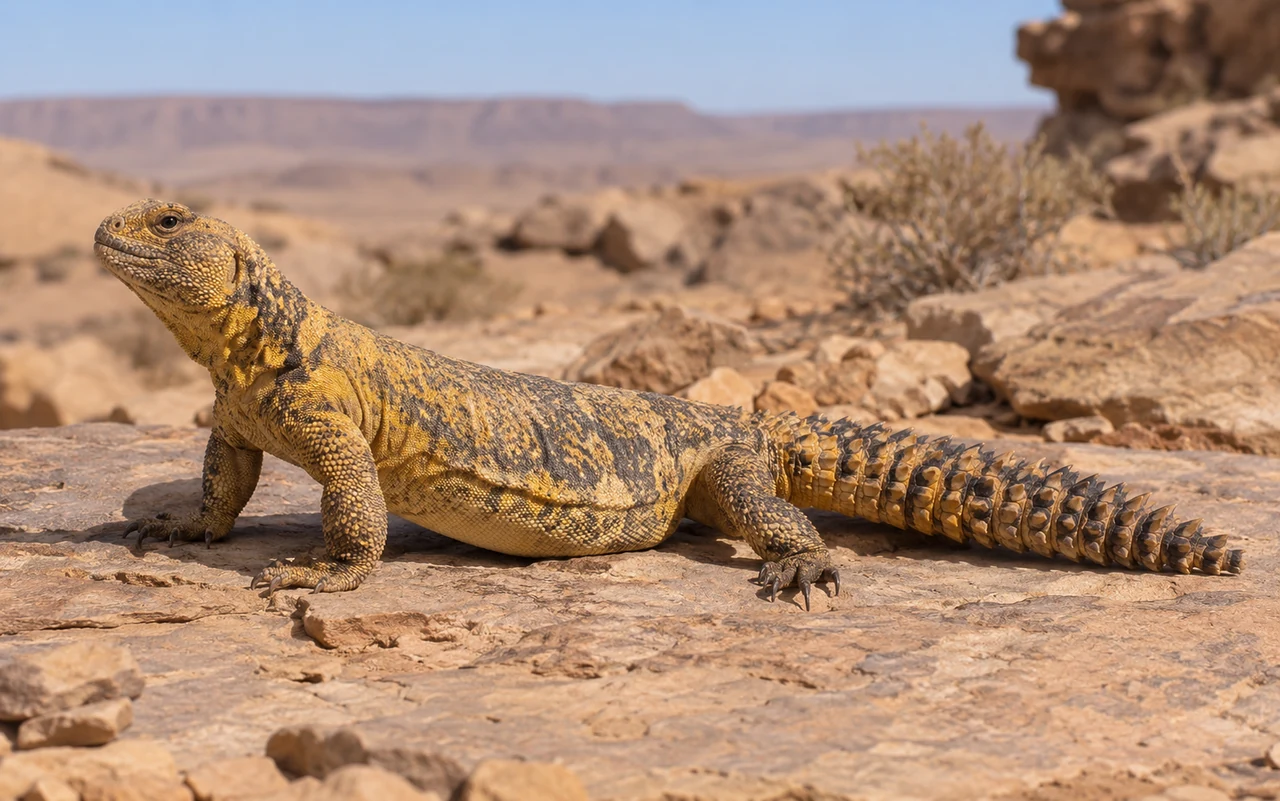
Saharan uromastyx
A Saharan uromastyx needs broad controlled basking, bright light and a varied leafy diet. Its modest body length should not lead to a small enclosure or a generic desert starter setup.
Care, setup and equipment ↗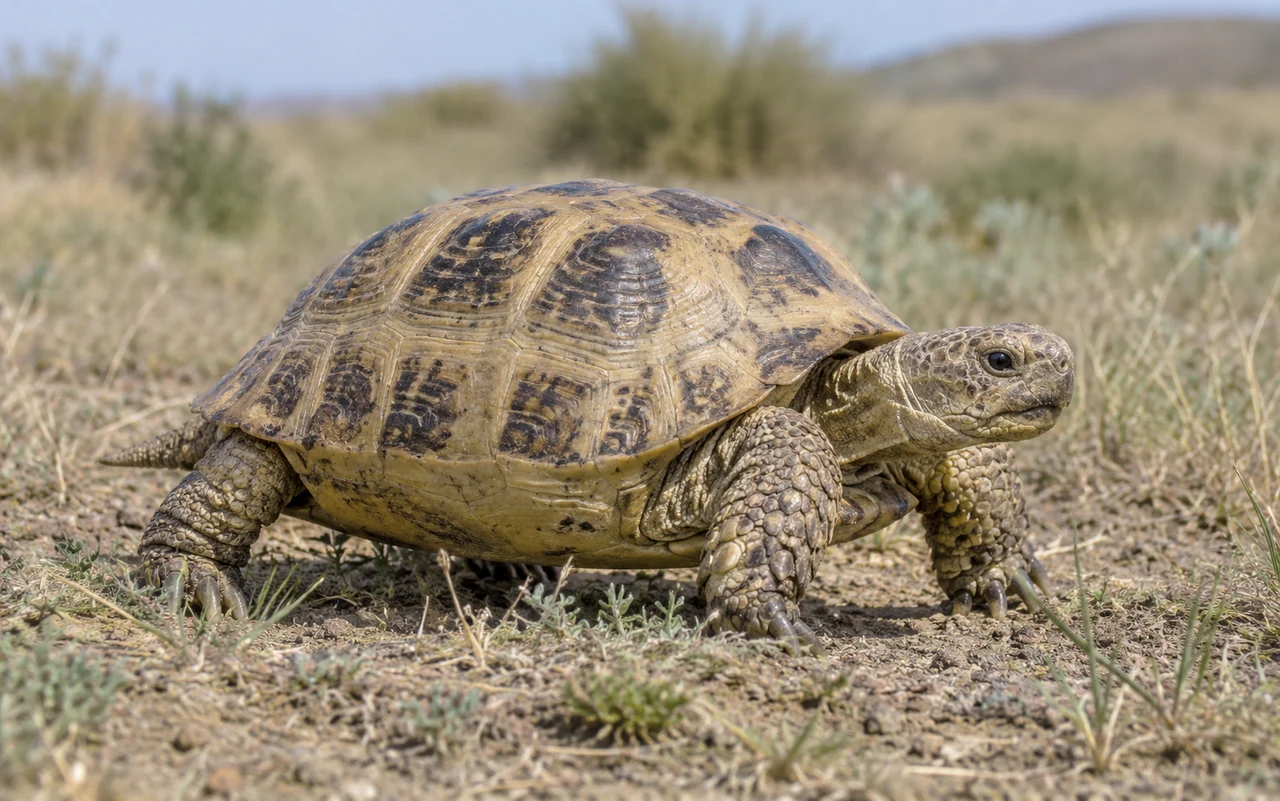
Horsfield’s tortoise
A Horsfield’s tortoise needs secure digging ground, varied safe browse and a carefully planned seasonal routine. Its determined climbing and burrowing make boundary checks part of ordinary care.
Care, setup and equipment ↗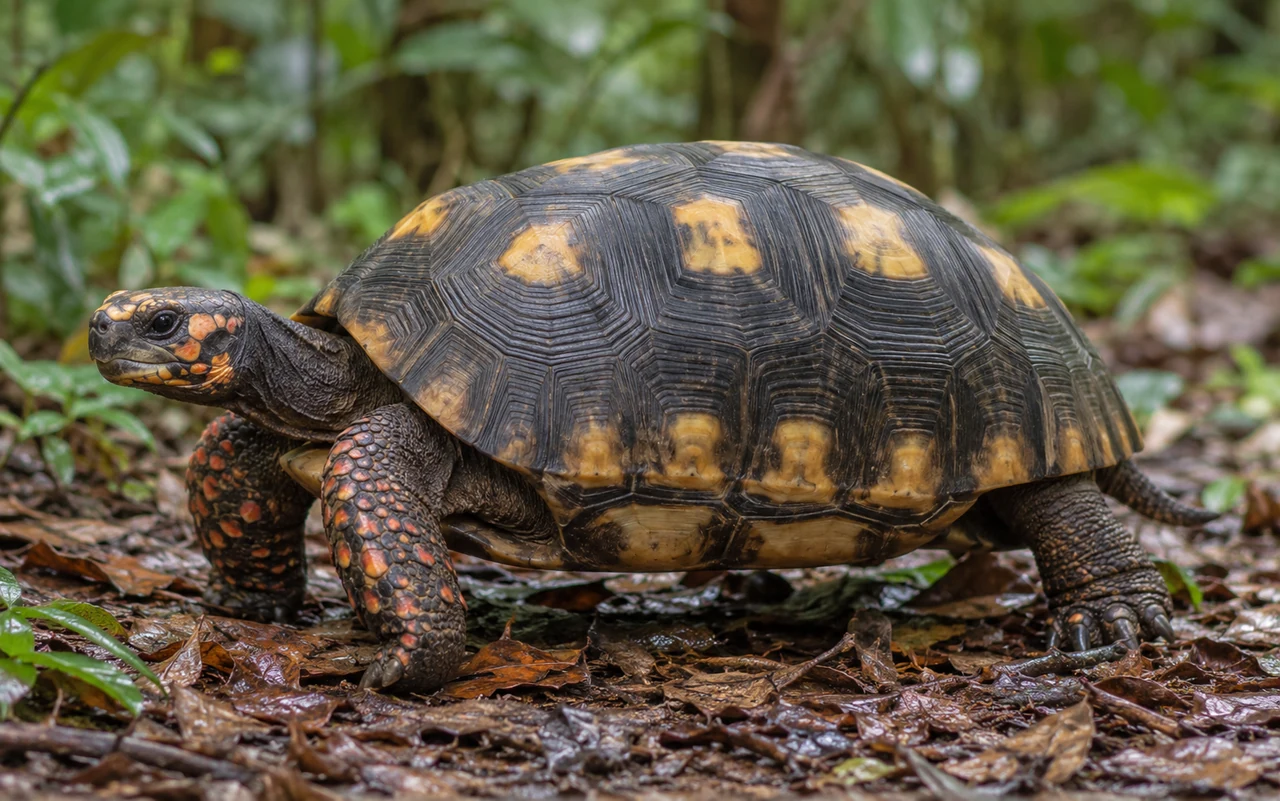
Red-footed tortoise
A red-footed tortoise needs a large warm, humid living area throughout the UK winter. Plan adult space and heating from the start, with a varied diet and safe access to clean water.
Care, setup and equipment ↗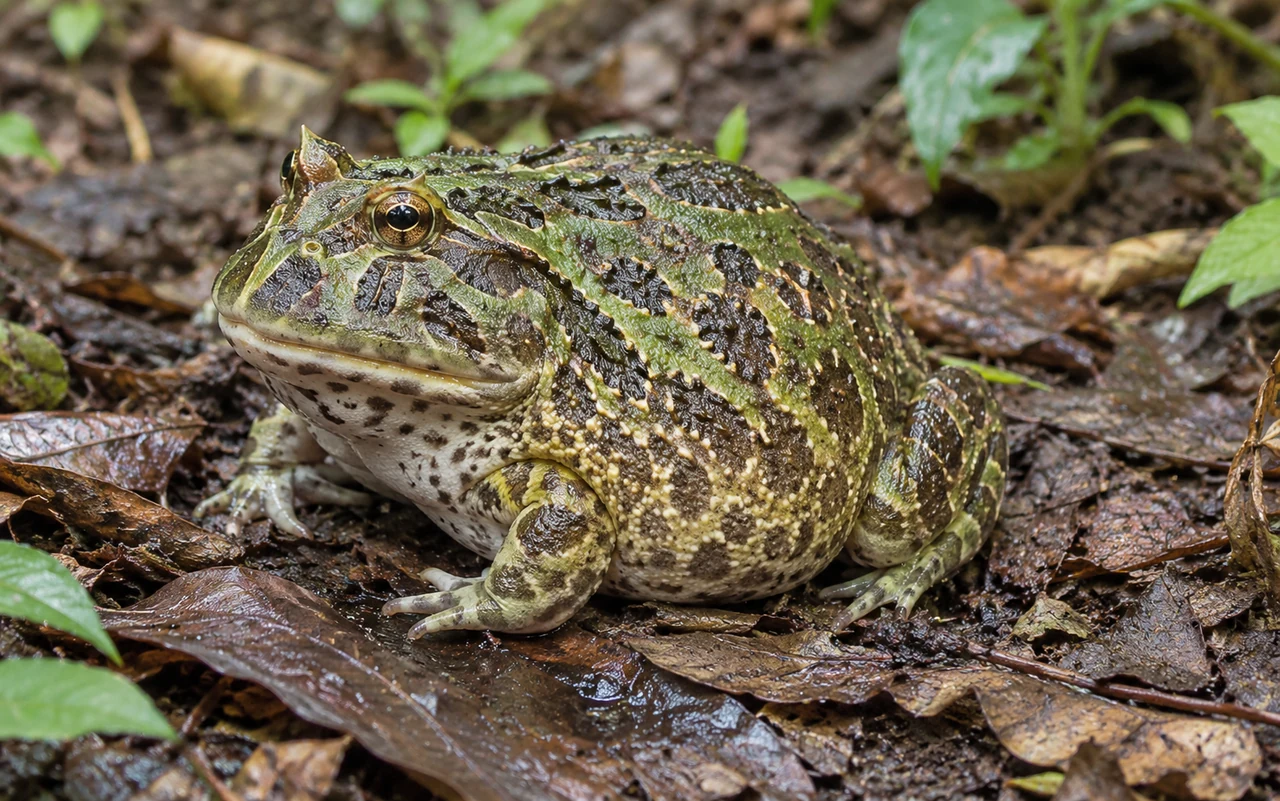
Chaco horned frog
A Chaco horned frog needs soft damp ground to bury itself, clean treated water and carefully sized prey. It is an observation animal whose quiet ambush behaviour should not be mistaken for a need to be dug out or handled.
Care, setup and equipment ↗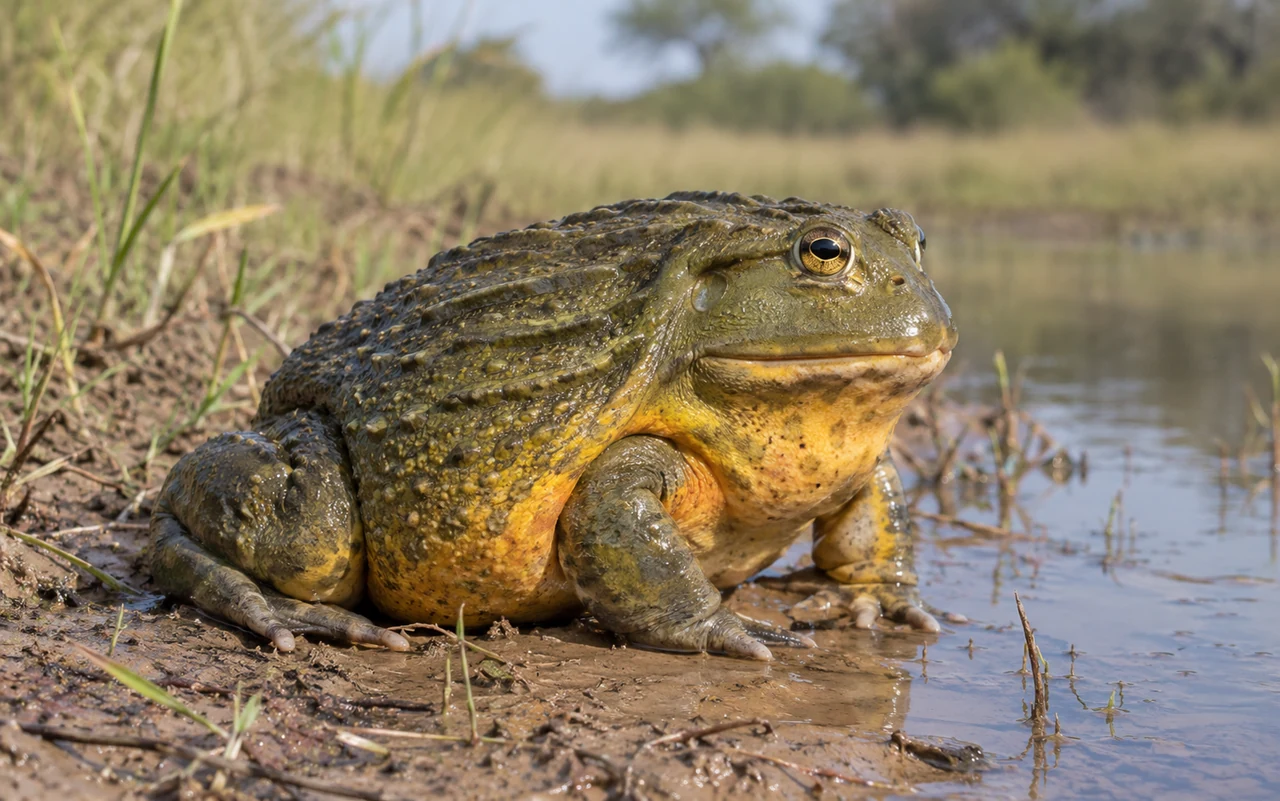
African bullfrog
An African bullfrog can become a very large animal with a strong feeding response. Prepare substantial digging space and an easy-exit water basin, and manage food according to body condition, without encouraging a feeding spectacle.
Care, setup and equipment ↗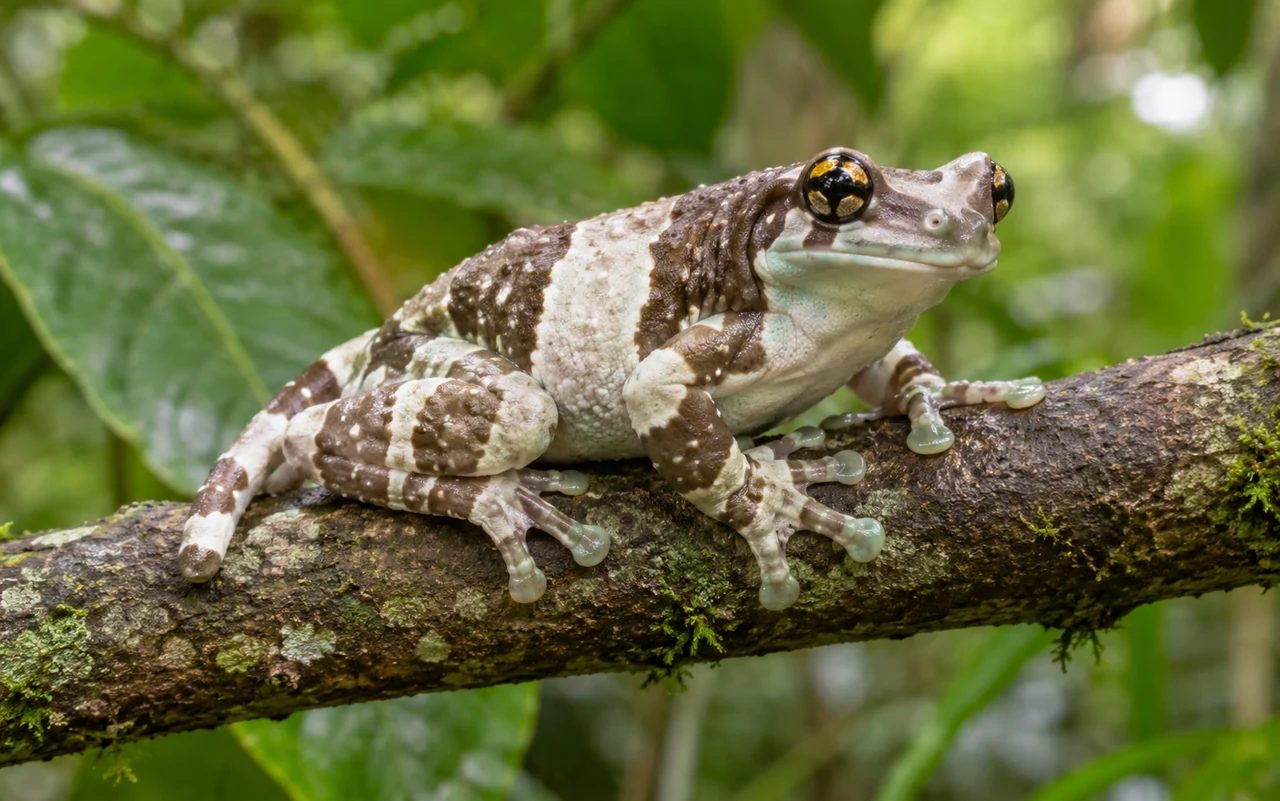
Amazon milk frog
Amazon milk frogs need sturdy climbing routes, clean treated water and individual feeding checks. A small group can be considered carefully, but competition and different growth rates still need monitoring.
Care, setup and equipment ↗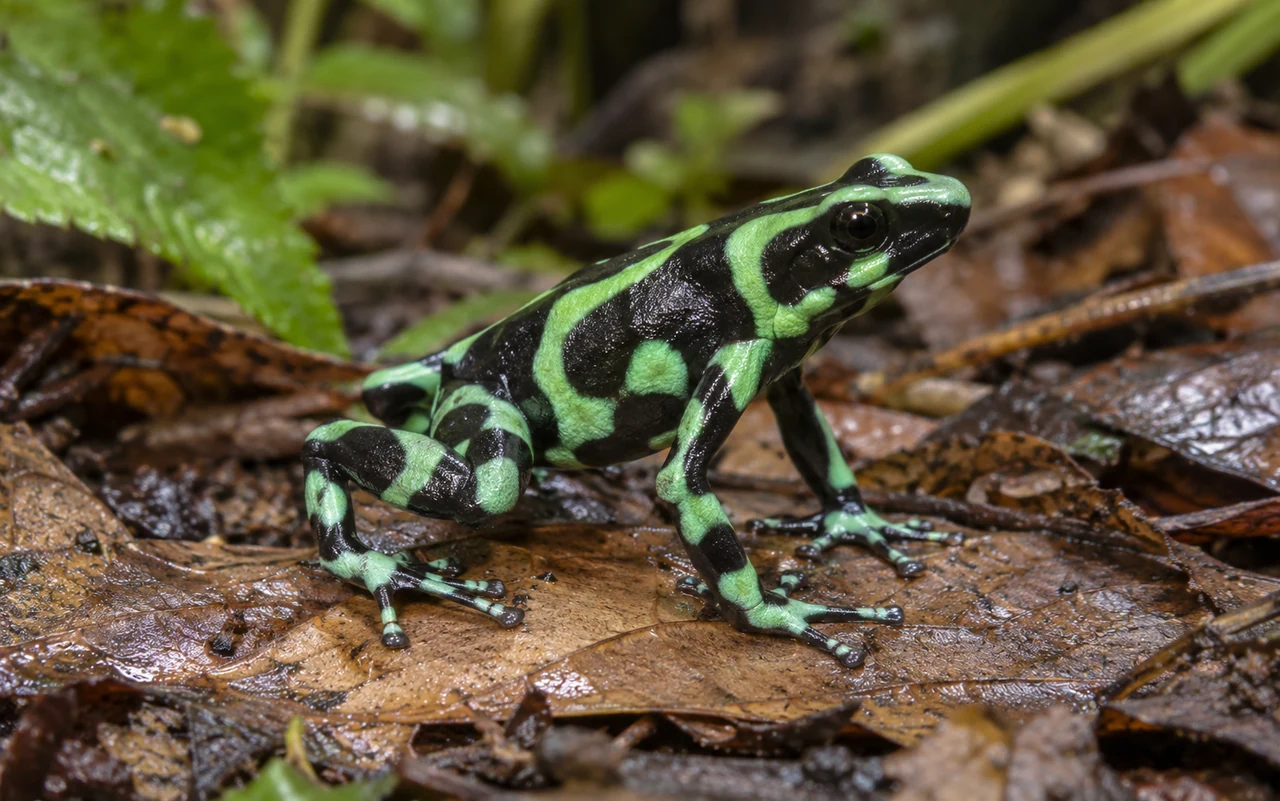
Green-and-black poison dart frog
Green-and-black dart frogs need cool, shaded planted space and a dependable supply of tiny prey. Prepare backup food cultures and summer temperature control before bringing frogs home.
Care, setup and equipment ↗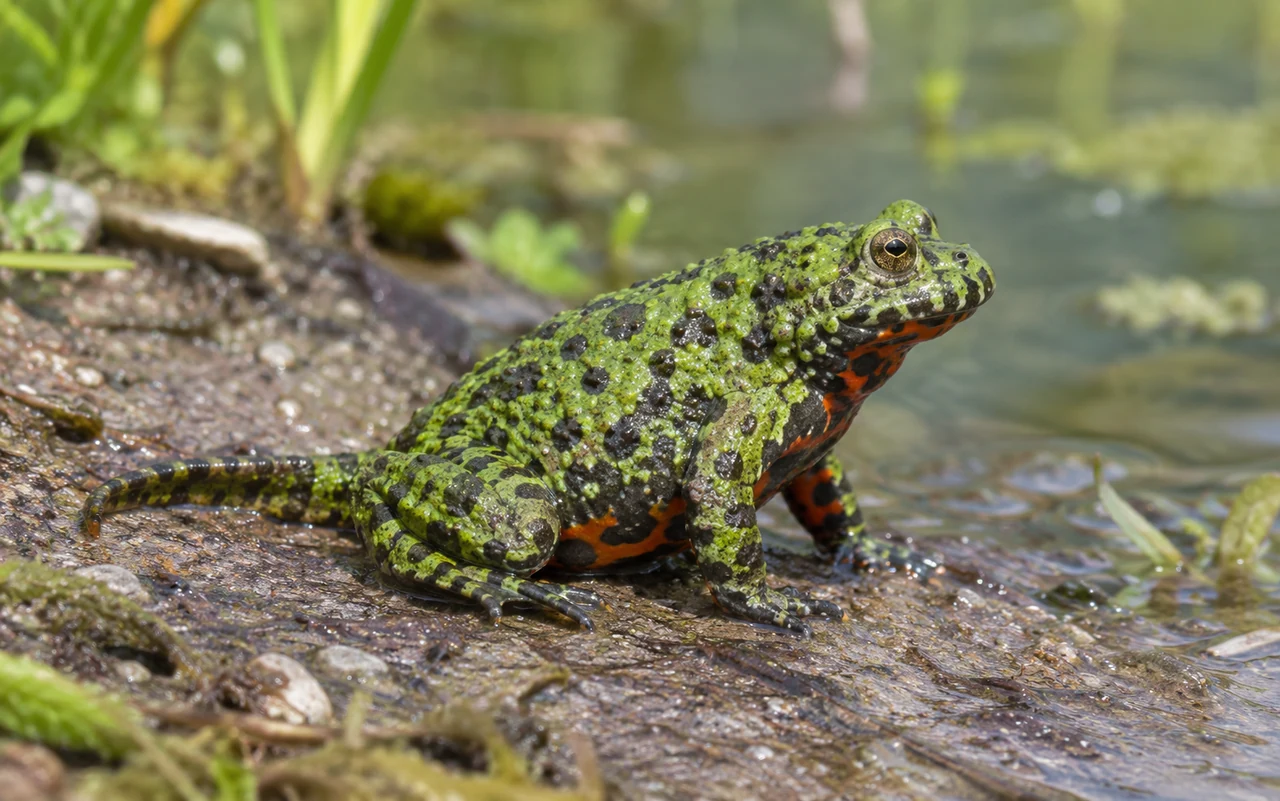
Oriental fire-bellied toad
Oriental fire-bellied toads need both usable land and clean shallow water. Plan safe exits from every water area and keep regular water care in place even when a filter is fitted.
Care, setup and equipment ↗
Curly hair tarantula
A curly hair tarantula needs deep stable substrate, a low safe fall height and drinking water. Leave its retreat undisturbed during quiet and moulting periods, while checking conditions from outside.
Care, setup and equipment ↗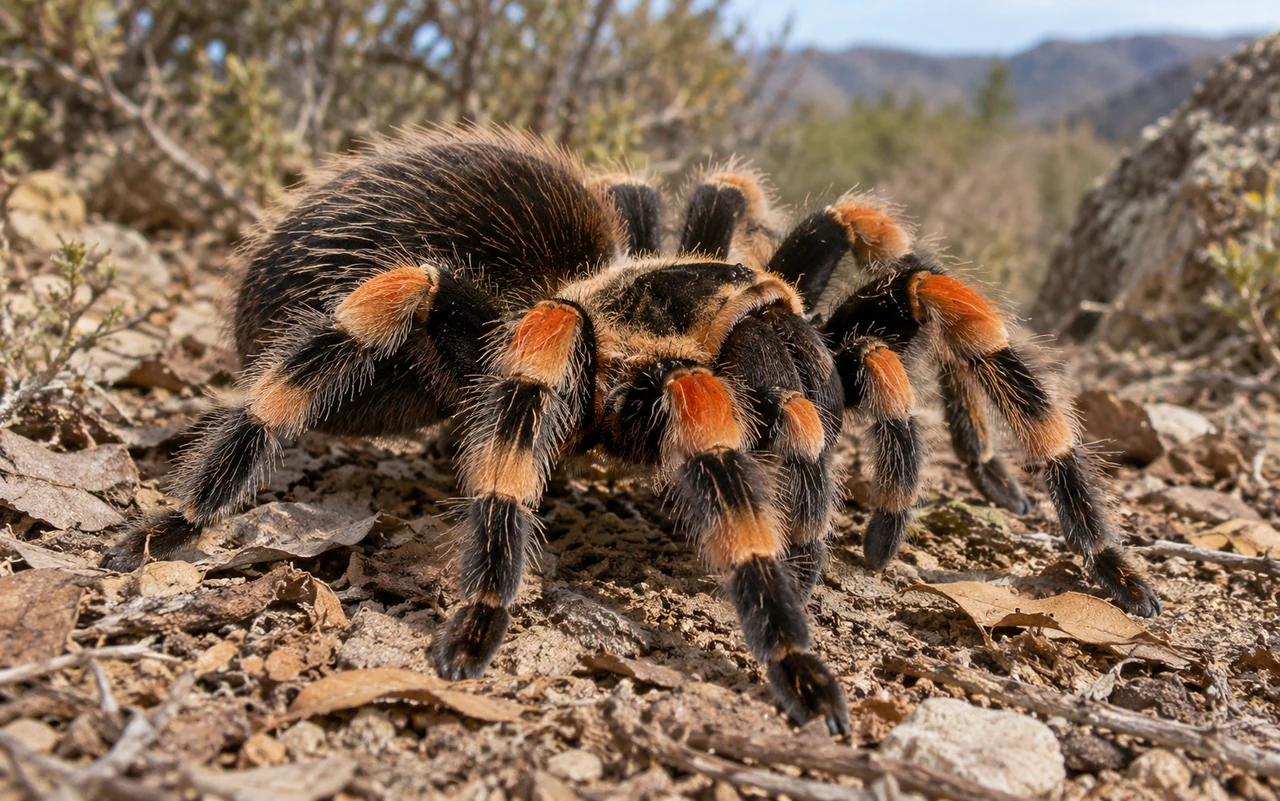
Mexican red-knee tarantula
A Mexican red-knee tarantula is a slow-growing ground spider that needs stable substrate and a quiet retreat. Keep water available and use its condition and moult stage to judge feeding.
Care, setup and equipment ↗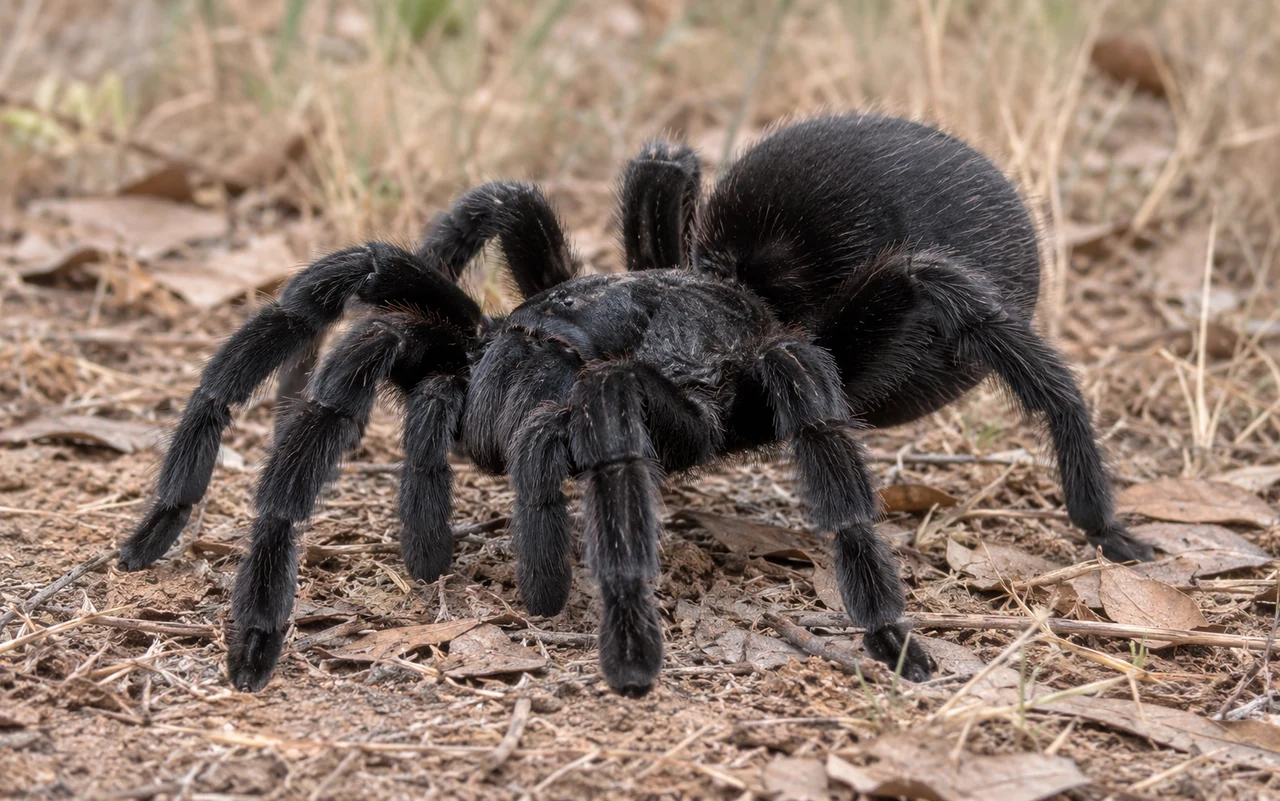
Brazilian black tarantula
A Brazilian black tarantula needs sheltered ground space, a low safe fall height and patience around feeding. Confirm its identity, as an all-black appearance alone does not establish the species.
Care, setup and equipment ↗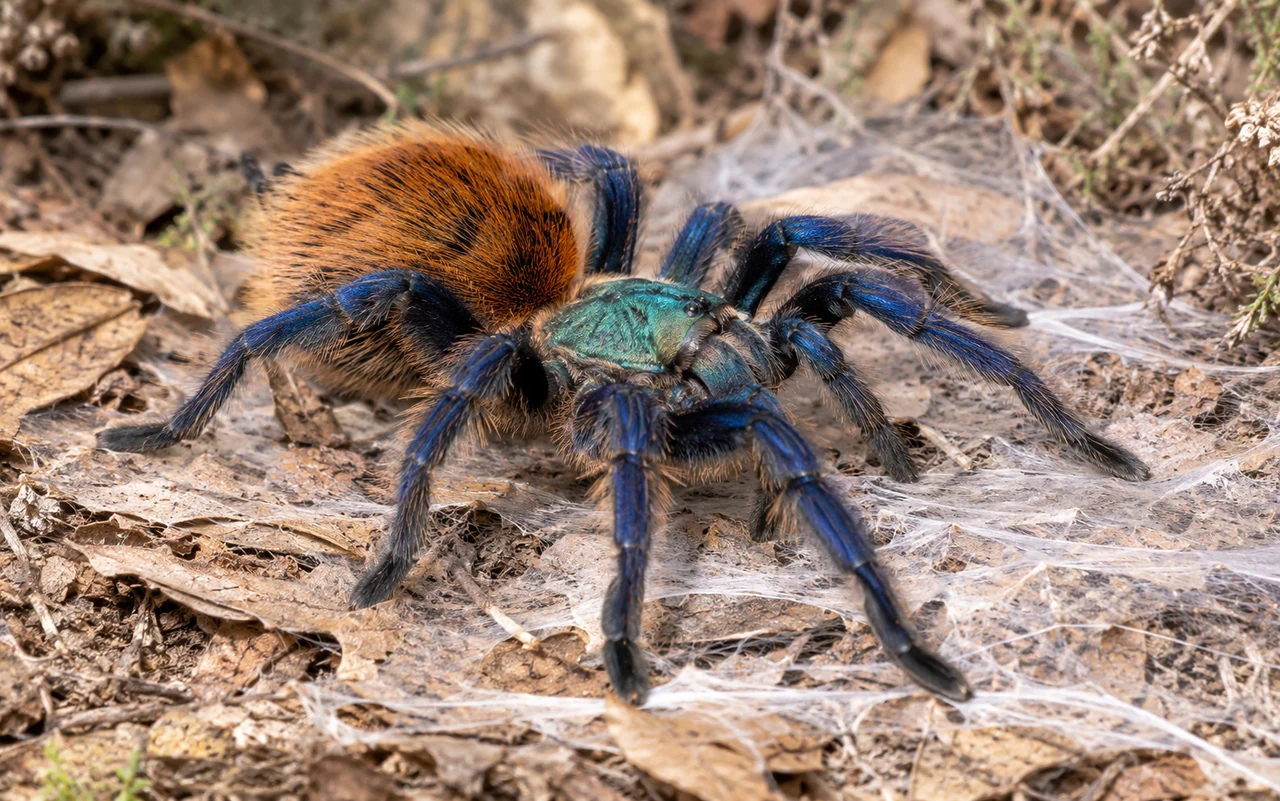
Greenbottle blue tarantula
A greenbottle blue tarantula builds extensive webs across low furnishings. Give it safe anchors, accessible drinking water and comparatively dry adult conditions, without treating its webbing as evidence that it needs a tall tree enclosure.
Care, setup and equipment ↗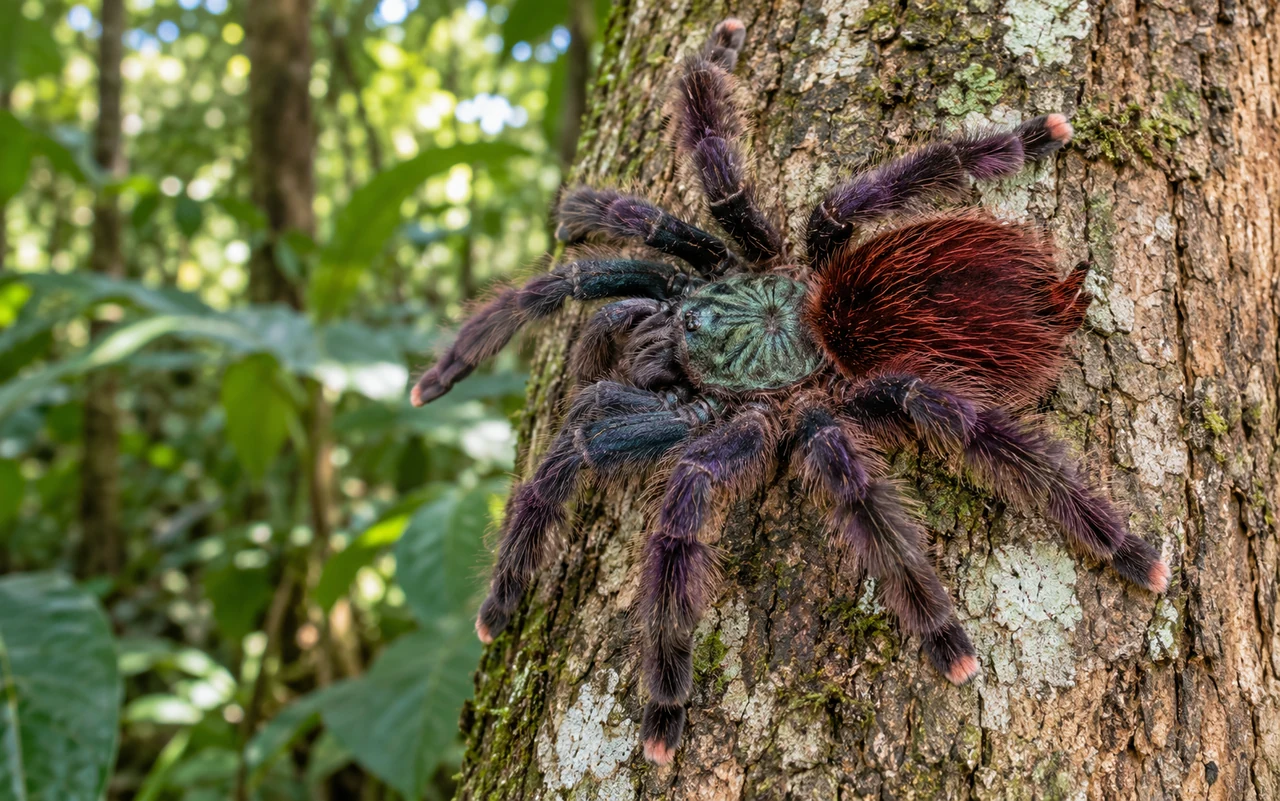
Antilles pinktoe tarantula
An Antilles pinktoe needs sheltered vertical web space, good airflow and accessible drinking water. Prepare a stage-appropriate enclosure and a calm transfer method before bringing it home.
Care, setup and equipment ↗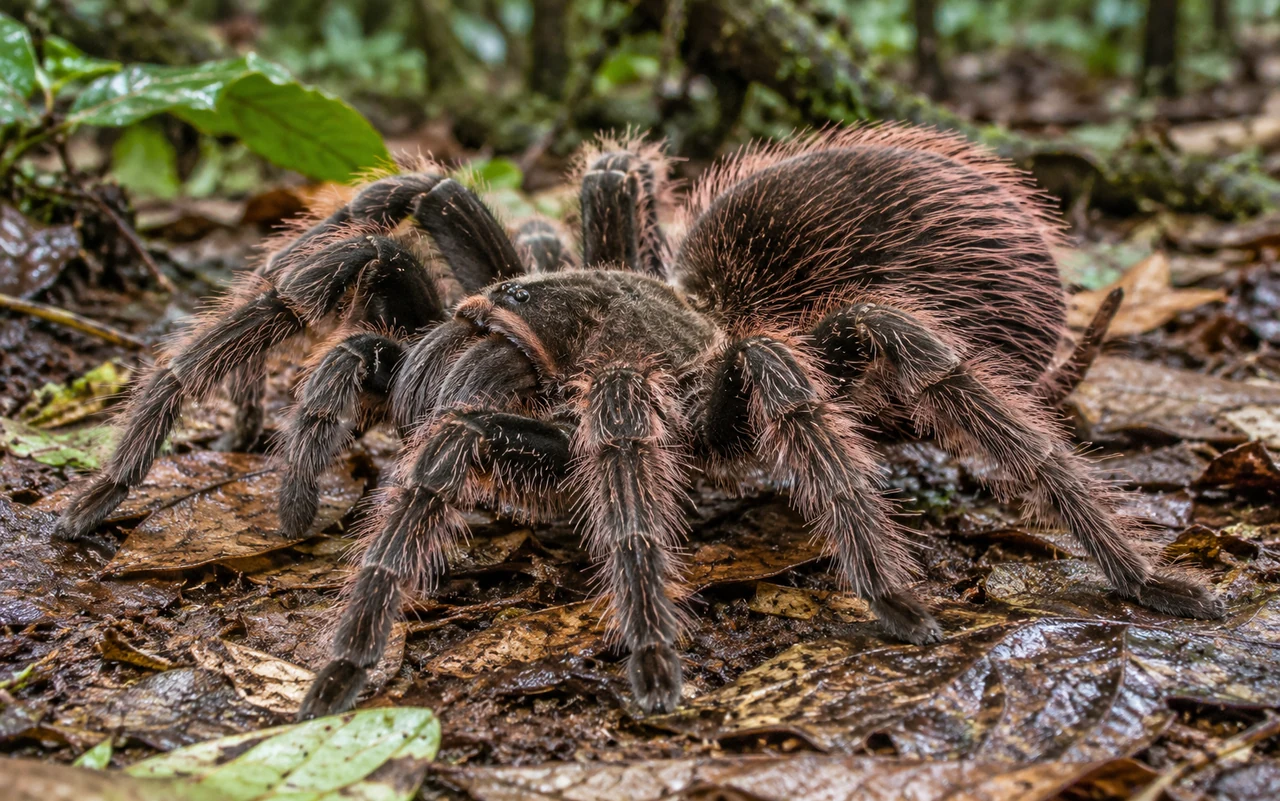
Brazilian salmon pink birdeater
A salmon pink birdeater needs substantial ground space, a deep stable floor and a planned maintenance routine. Prepare for a very large adult rather than judging its needs by a small juvenile.
Care, setup and equipment ↗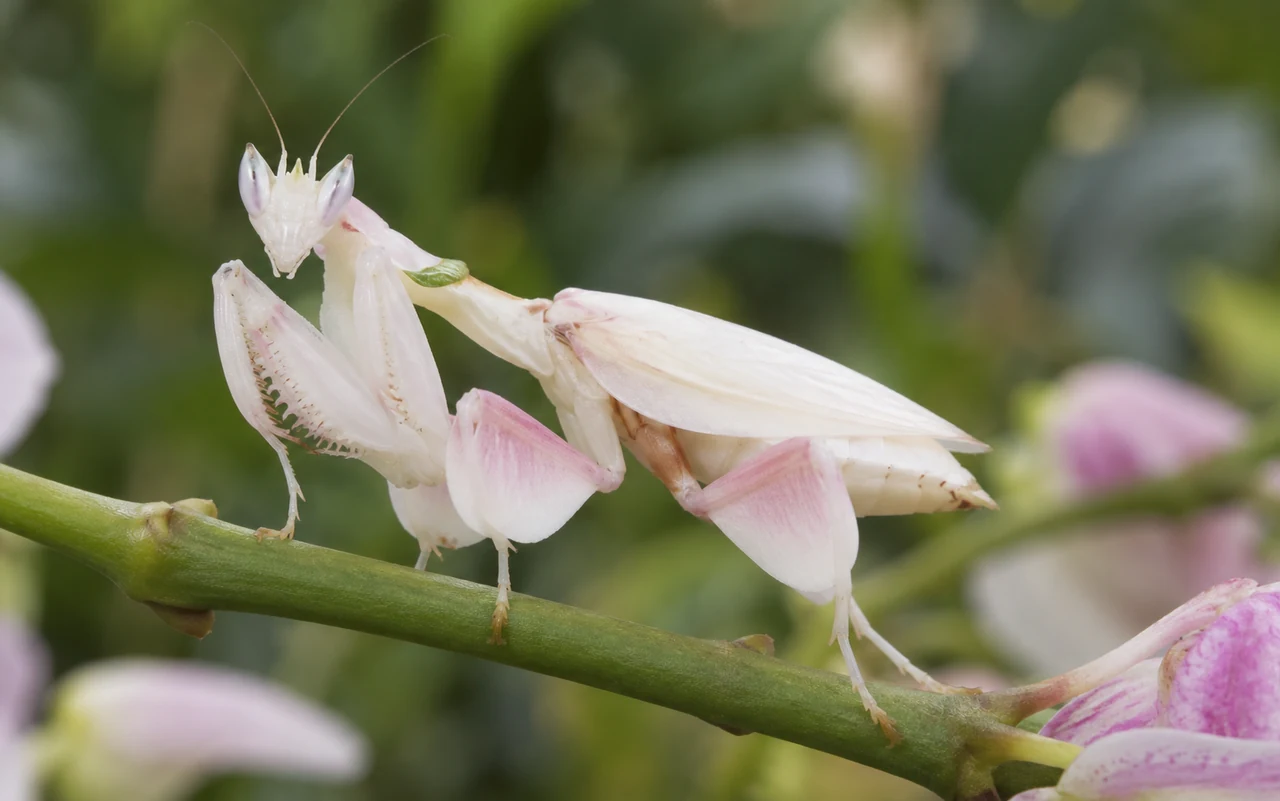
Orchid mantis
An orchid mantis needs suitable flying prey and a clear safe place to moult. Choose its housing for its stage and sex: an adult female is much larger than a male.
Care, setup and equipment ↗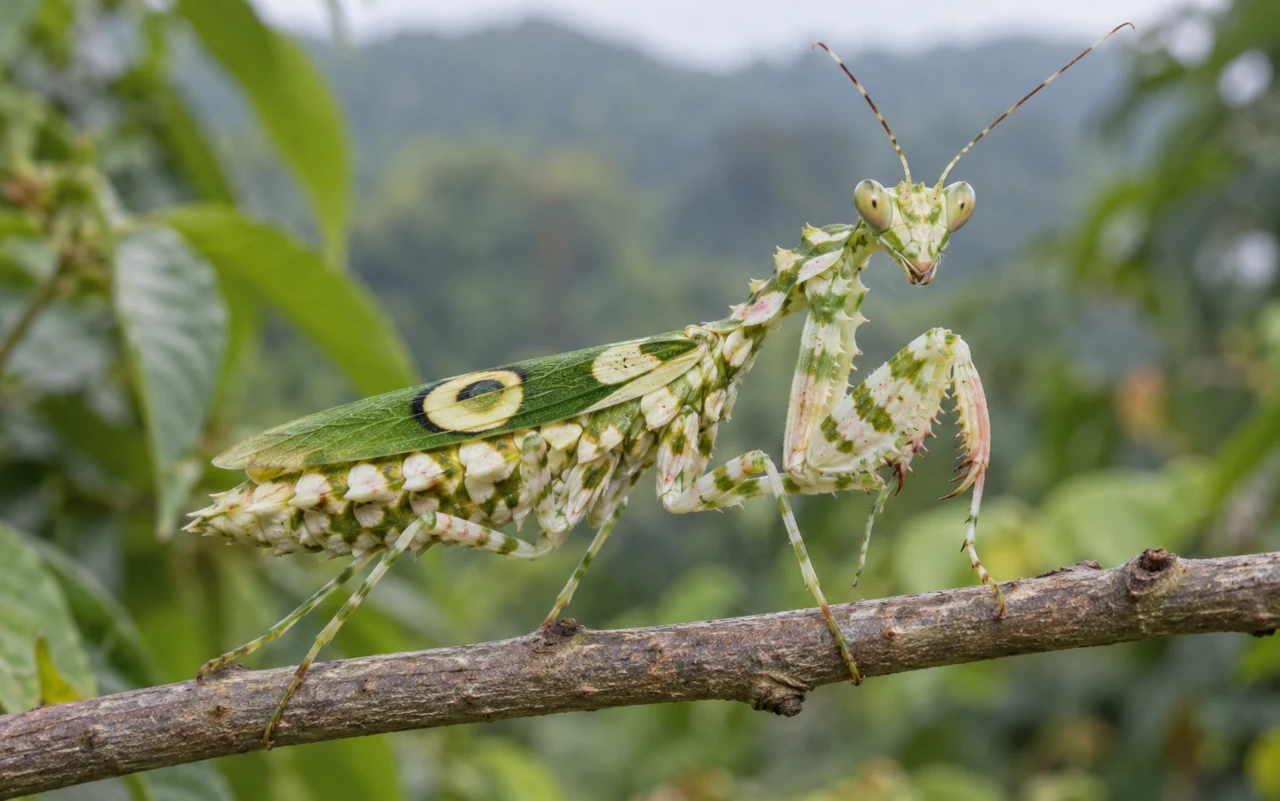
Jewelled flower mantis
A jewelled flower mantis needs fine containment, suitable small flies and a secure overhead grip. Its enclosure should leave clear moulting space after every branch and decoration is fitted.
Care, setup and equipment ↗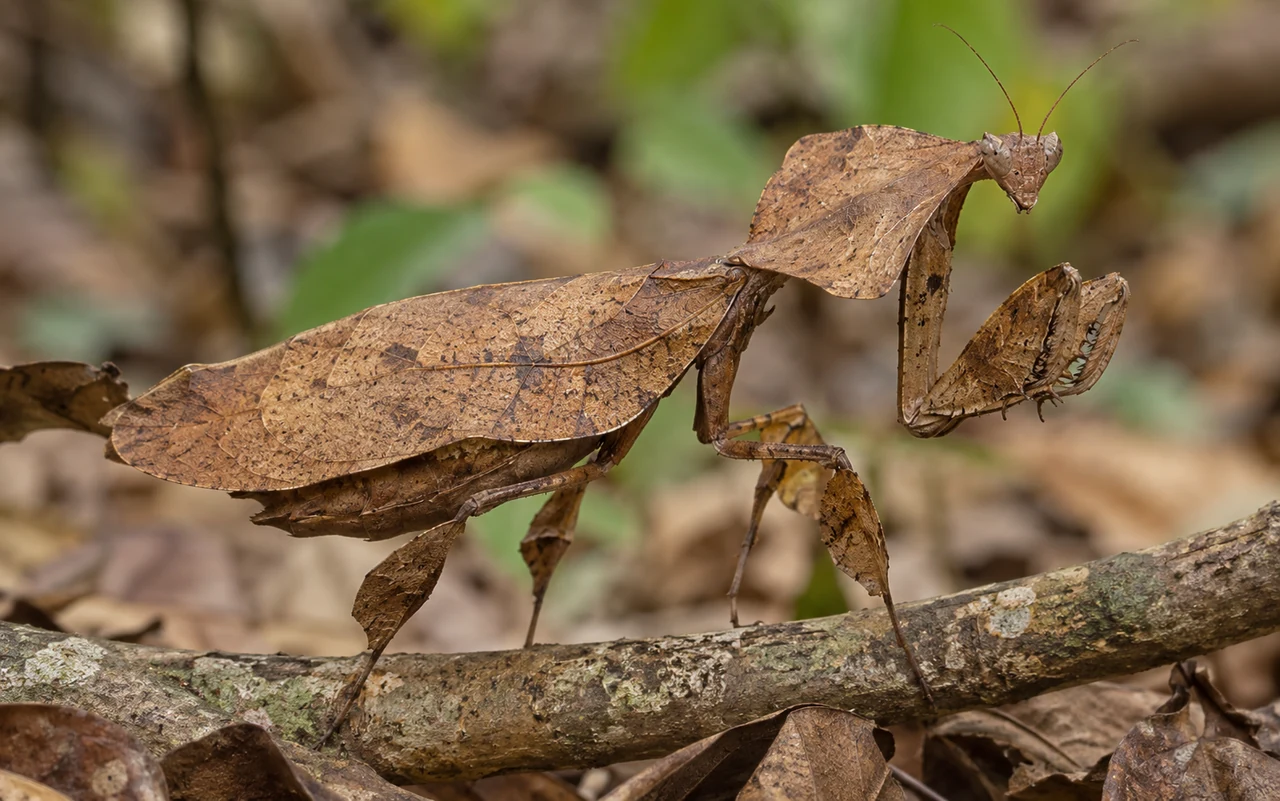
Giant dead leaf mantis
A giant dead-leaf mantis needs a quiet hanging refuge and manageable live prey. Its camouflage is best observed without shaking the enclosure or provoking defensive displays.
Care, setup and equipment ↗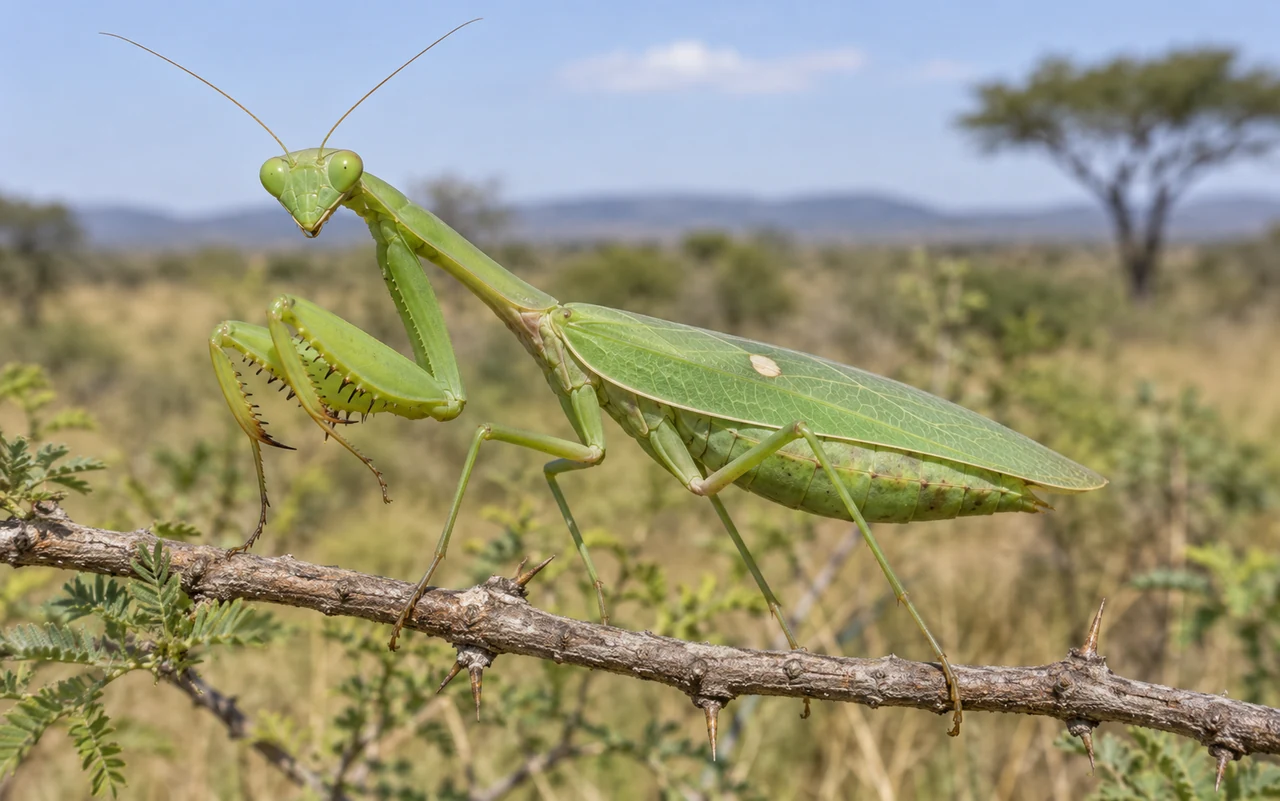
African mantis
An African mantis needs safe hanging space, suitable cultured prey and quiet during moulting. Confirm the species and stage before choosing its enclosure or feeding plan.
Care, setup and equipment ↗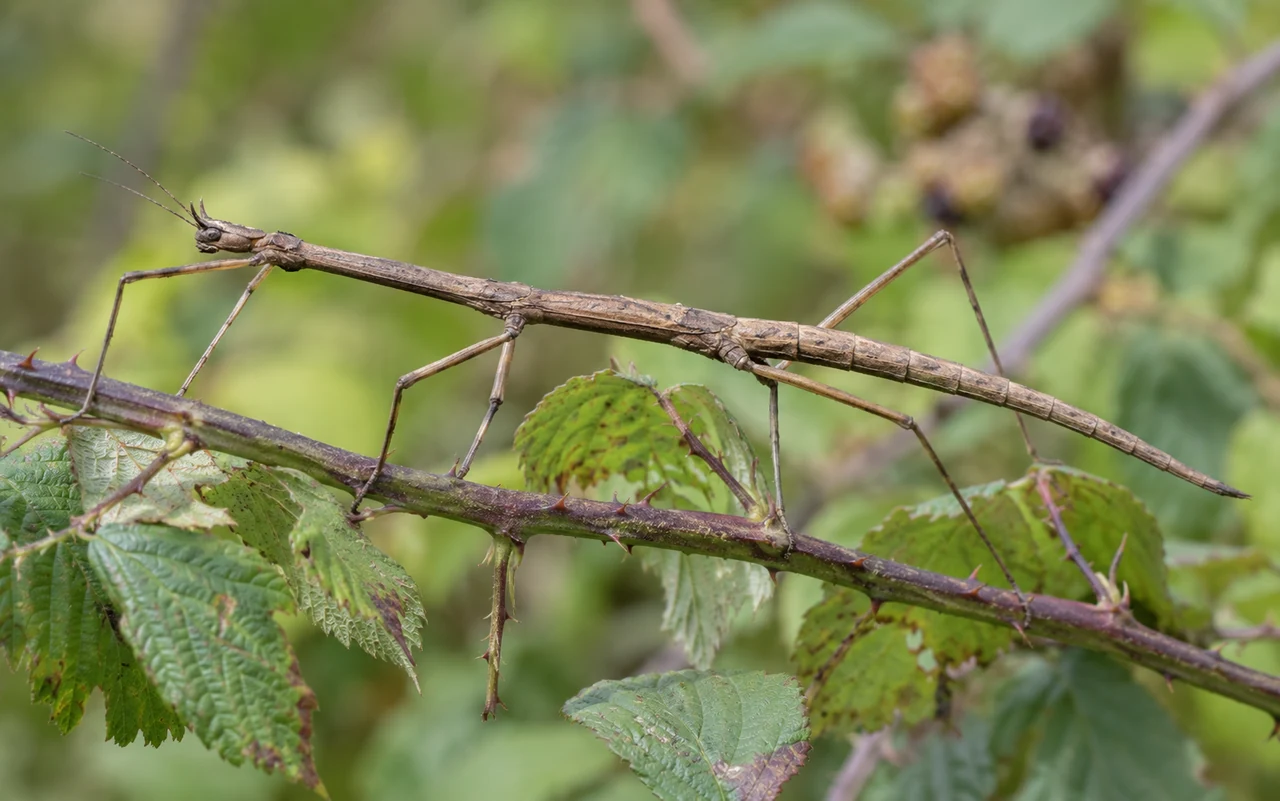
Vietnamese stick insect
A Vietnamese or Annam stick insect needs fresh leaves it will eat, safe hanging space and a secure plan for any eggs. Females can reproduce without a male, so prepare for a continuing culture.
Care, setup and equipment ↗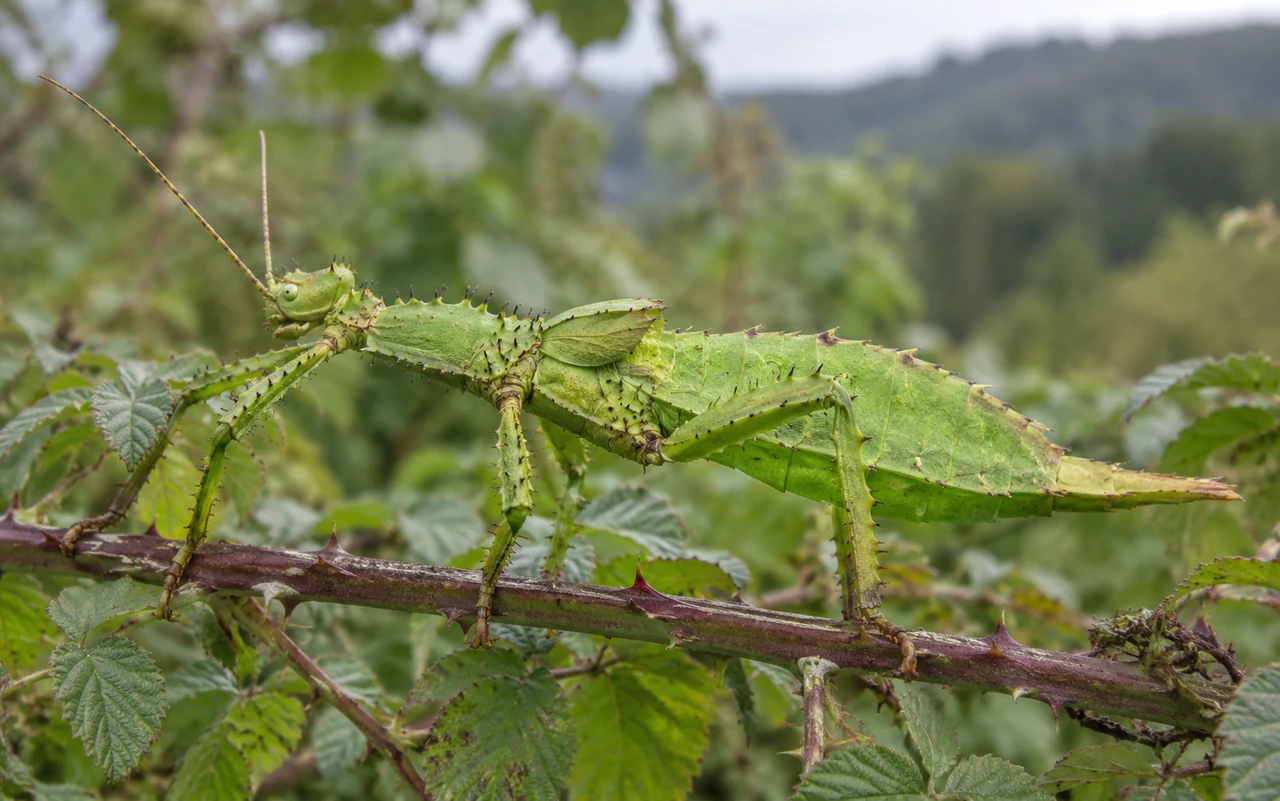
Jungle nymph
A jungle nymph needs sturdy branches, generous hanging space and fresh accepted foliage. Large females have strong grip and defensive spines, so plan observation and gentle essential transfers.
Care, setup and equipment ↗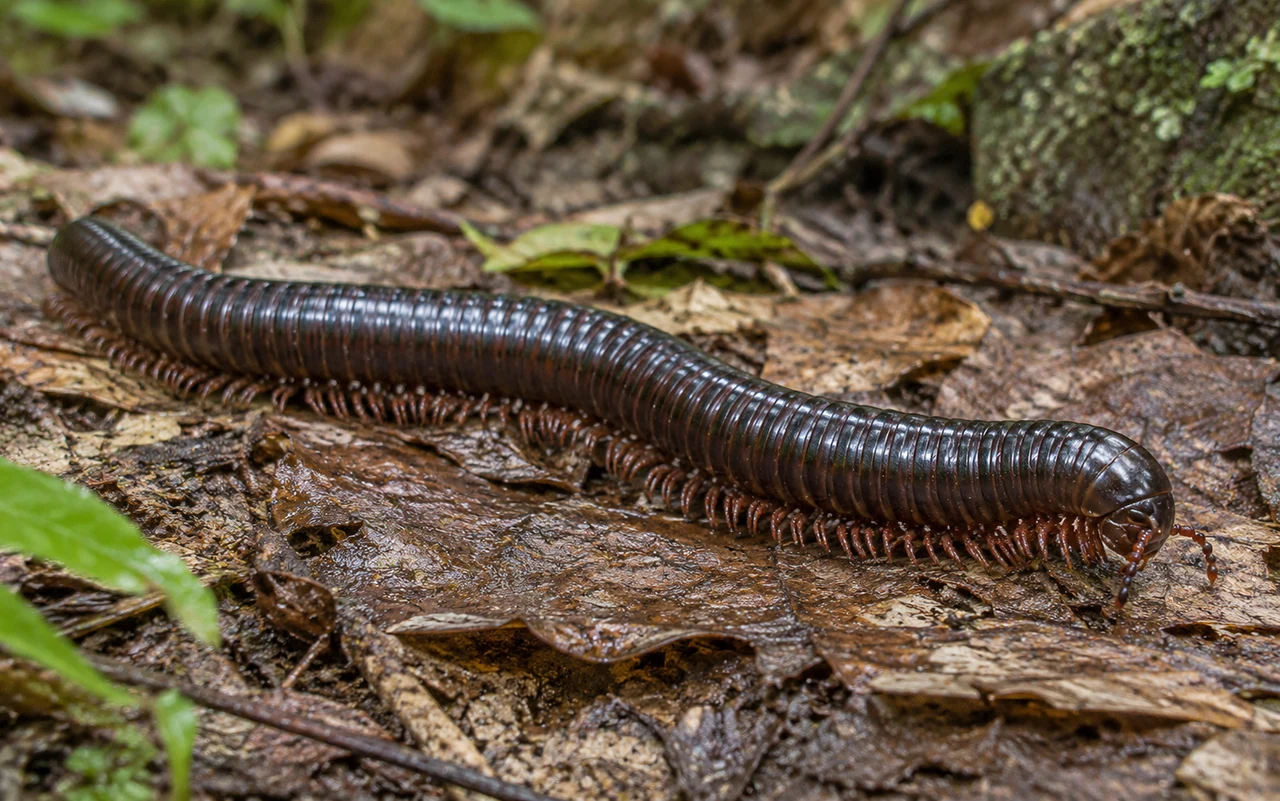
Giant African millipede
A giant African millipede needs deep nutritious substrate as well as shelter and moisture. Its decaying leaves and wood are food, so a clean-looking floor of coco coir alone is not an adequate replacement.
Care, setup and equipment ↗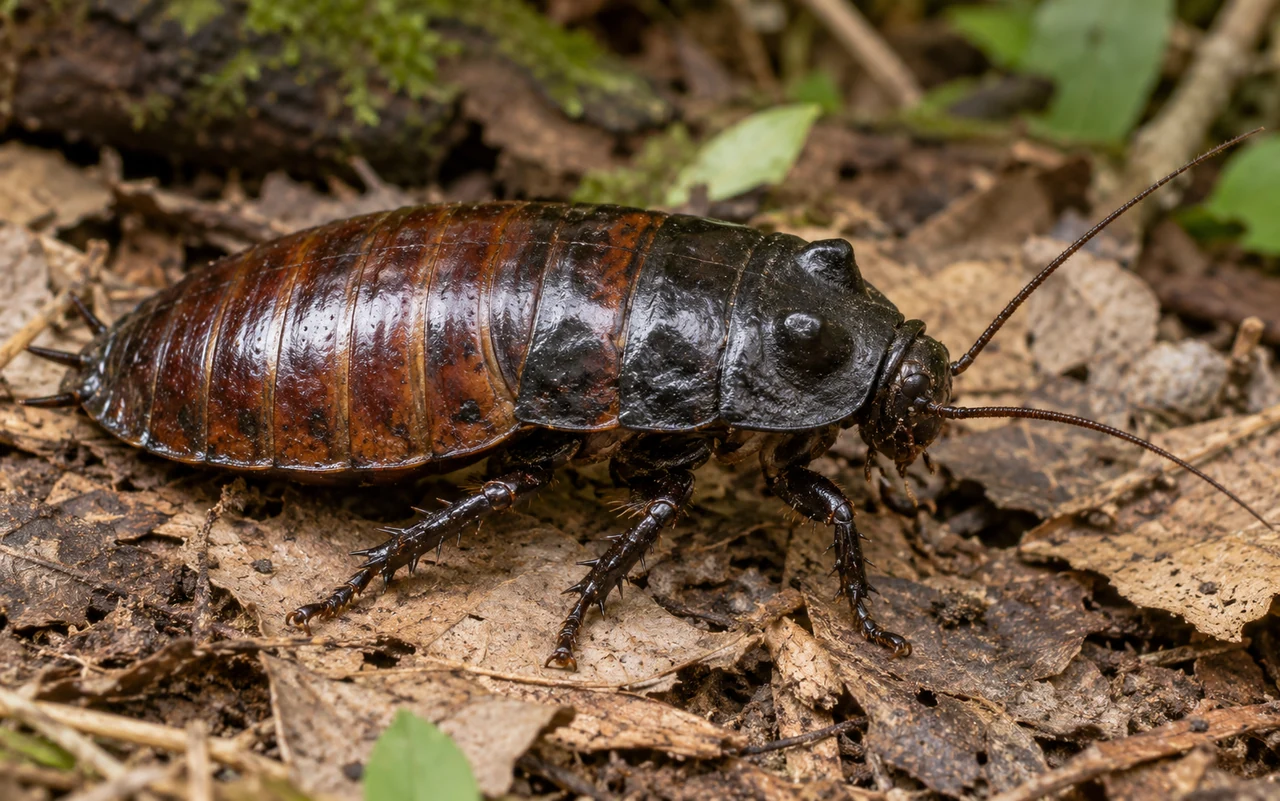
Madagascan hissing cockroach
Madagascan hissing cockroaches need secure colony housing with several retreats and safe hydration for tiny young. Plan for population growth before buying adults, as a female may already be carrying developing offspring.
Care, setup and equipment ↗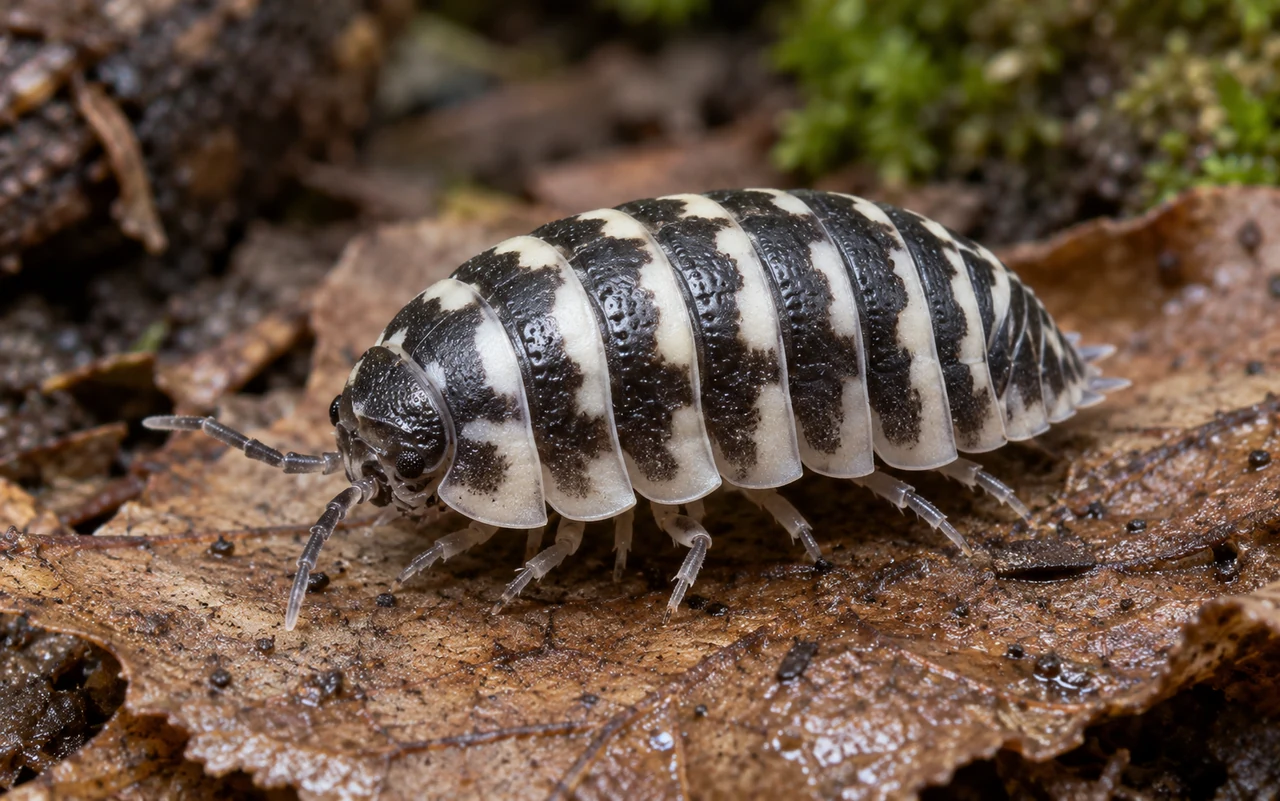
Zebra isopod
Zebra isopods need decaying leaves and wood, permanent calcium and a choice of damp and drier ground. They are a colony to maintain, so inspect their habitat rather than constantly uncovering every animal.
Care, setup and equipment ↗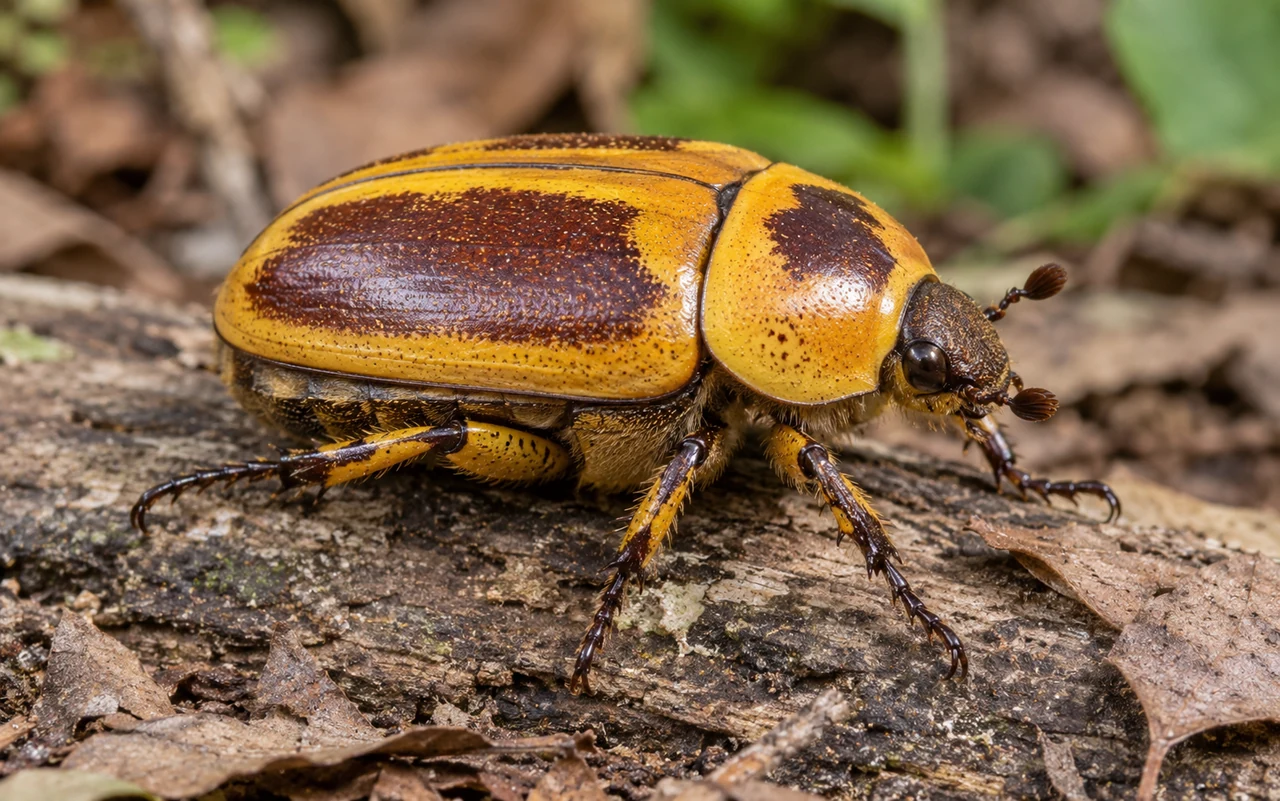
Sun beetle
Sun beetles need different food as grubs and adults. Prepare nutritious larval substrate as well as adult fruit, and leave buried pupal cocoons undisturbed while the culture develops.
Care, setup and equipment ↗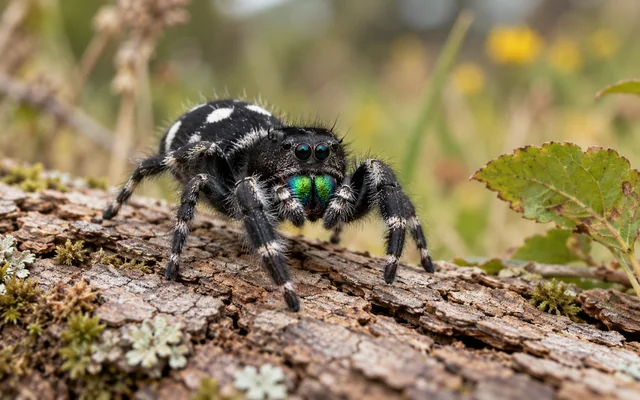
Bold jumping spider
A North American visual hunter, usually black with pale abdominal spots and iridescent mouthparts. Juveniles may have orange markings. Colour alone does not distinguish every Phidippus.
Care, setup and equipment ↗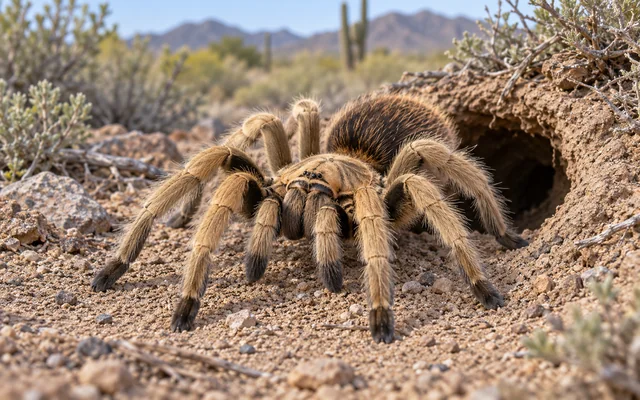
Arizona blonde tarantula
A ground-dwelling Aphonopelma from the southwestern United States and northern Mexico. Adult colour changes with sex and maturity.
Care, setup and equipment ↗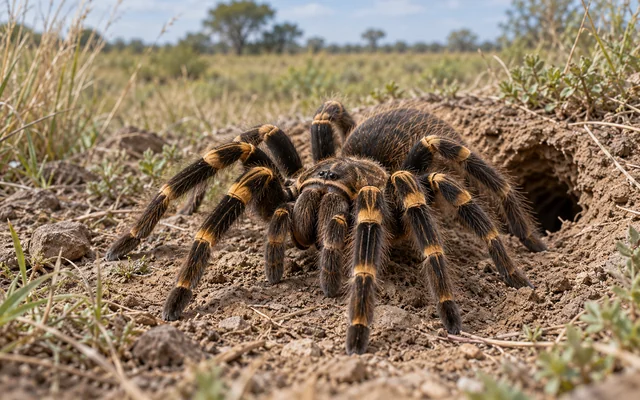
Chaco golden knee tarantula
A large terrestrial Grammostola from the Gran Chaco, with golden leg markings. Older records may use G. aureostriata.
Care, setup and equipment ↗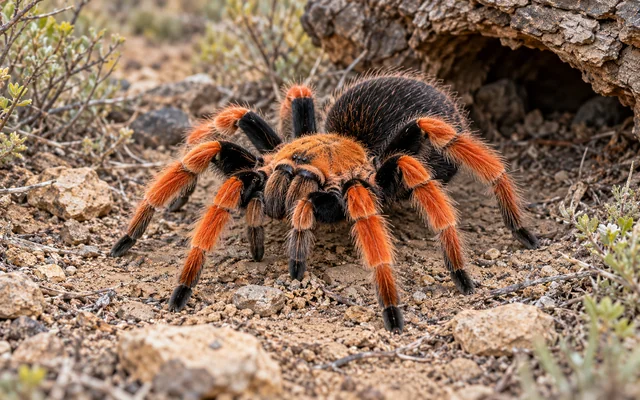
Mexican fireleg tarantula
A Mexican terrestrial Brachypelma with orange-red legs and a dark abdomen. It is a separate species from red-knee tarantulas.
Care, setup and equipment ↗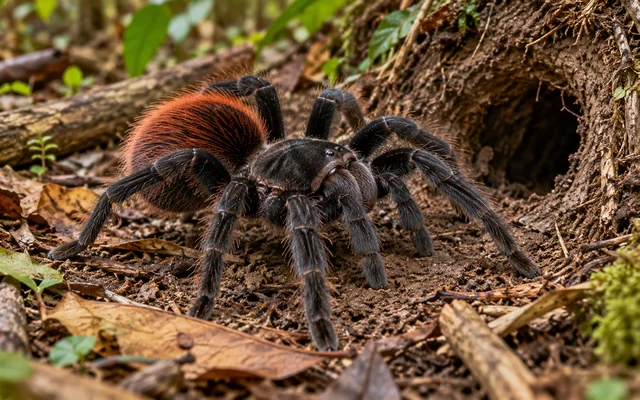
Mexican red rump tarantula
A dark terrestrial tarantula with red abdominal hairs. Older records use Brachypelma vagans; a red rump alone does not prove identity.
Care, setup and equipment ↗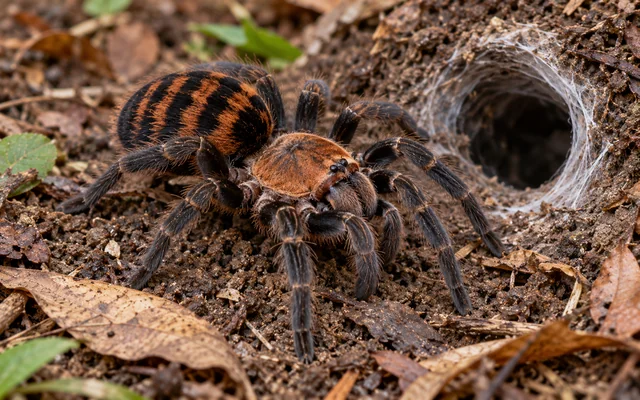
Guatemalan tiger rump tarantula
A Davus with contrasting abdominal bands, traded under the tiger-rump name. Similar appearance does not resolve related species or locality.
Care, setup and equipment ↗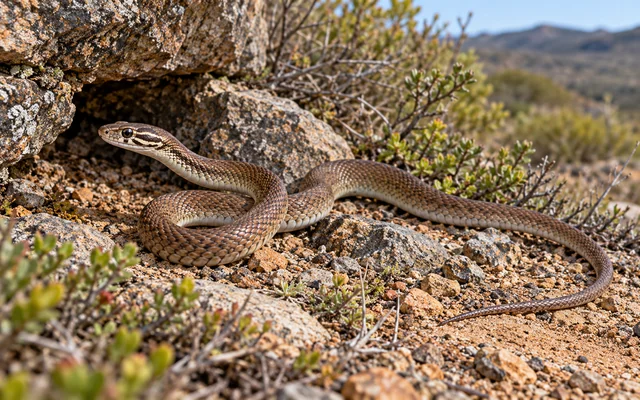
Cape house snake
This profile covers Boaedon capensis, the Cape or brown house snake. Other Boaedon sold as African house snakes need different identity and moisture decisions.
Care, setup and equipment ↗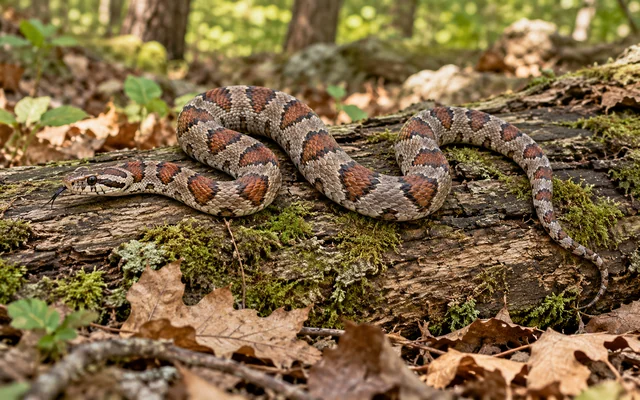
Eastern milk snake
Eastern L. triangulum typically has reddish-brown saddle blotches on a grey or tan background. Do not substitute pictures or care for tropical tricolour milk-snake species.
Care, setup and equipment ↗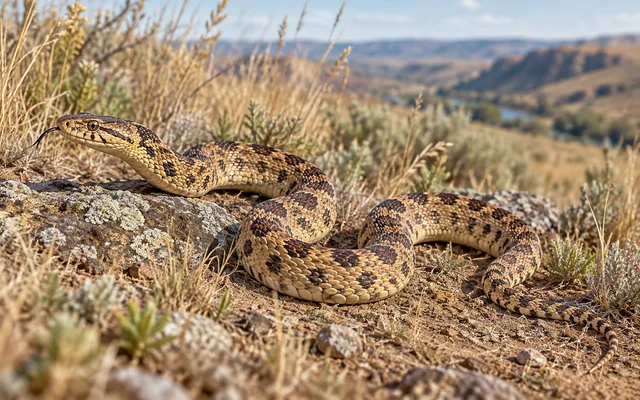
Gopher snake
Pituophis catenifer includes different geographic forms, including snakes traded as bullsnakes. Hissing and tail vibration are defensive behaviour, not evidence of venom.
Care, setup and equipment ↗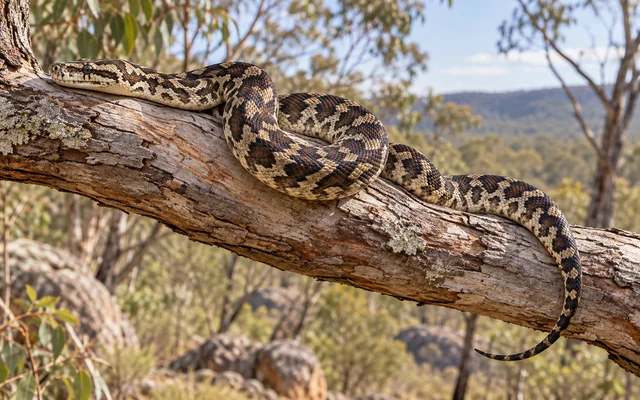
Carpet python
Morelia spilota is a geographically varied semi-arboreal python. Record the actual form and parentage instead of treating every carpet or diamond python as interchangeable.
Care, setup and equipment ↗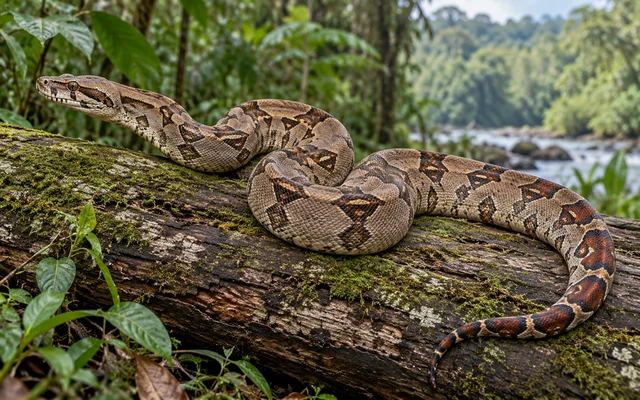
Common boa
This profile covers Boa imperator. Boa constrictor and Boa sigma are separate identities even when sold using overlapping common names.
Care, setup and equipment ↗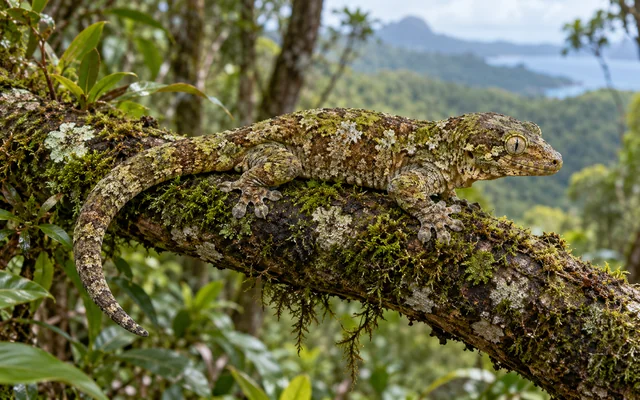
Chahoua gecko
Mniarogekko chahoua is a New Caledonian gecko with a gripping tail and mottled camouflage. Mainland and island-line labels need records.
Care, setup and equipment ↗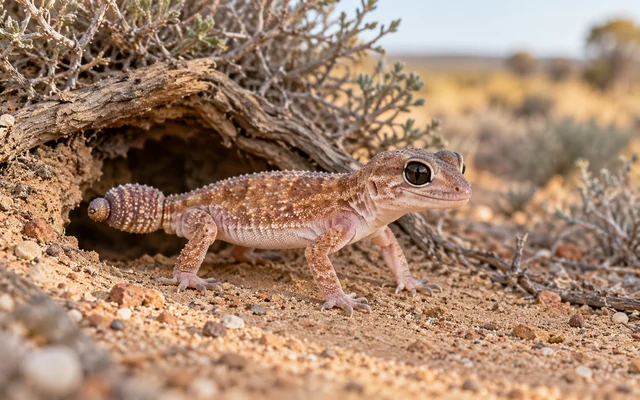
Smooth knob-tailed gecko
This profile concerns Nephrurus levis. Do not substitute another knob-tail species or assume historical subspecies names are current identities.
Care, setup and equipment ↗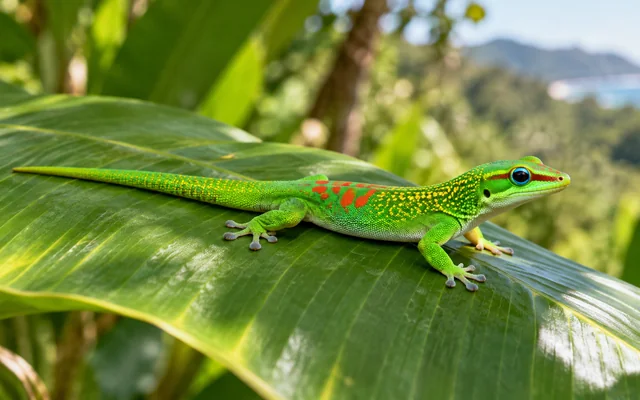
Gold dust day gecko
A small Madagascan Phelsuma, distinct from the giant day gecko. Gold dust around the shoulders and red markings are illustrative features, not proof of locality.
Care, setup and equipment ↗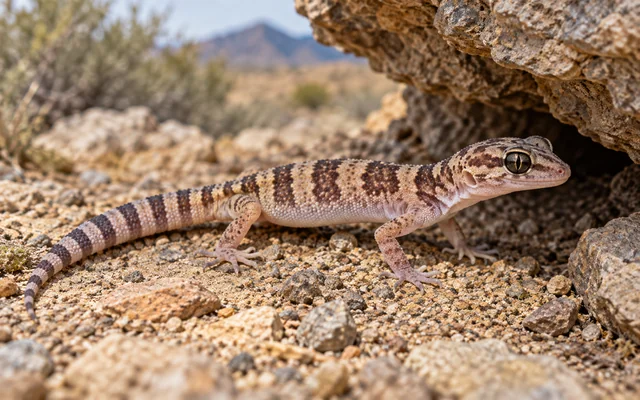
Western banded gecko
Coleonyx variegatus is a North American ground gecko with movable eyelids. Central American C. mitratus needs a separate moisture plan.
Care, setup and equipment ↗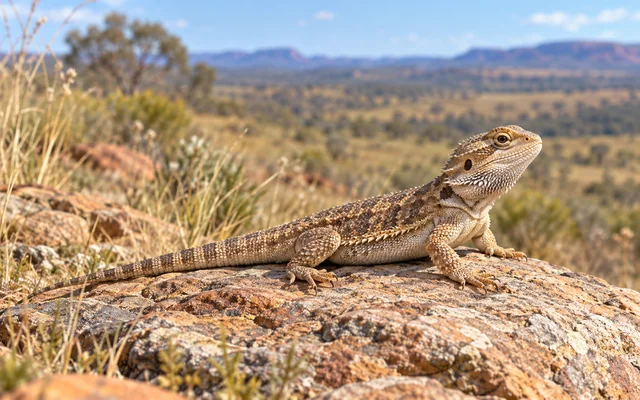
Rankin’s dragon
Pogona henrylawsoni is a distinct dragon from Queensland’s black-soil plains, not a juvenile P. vitticeps.
Care, setup and equipment ↗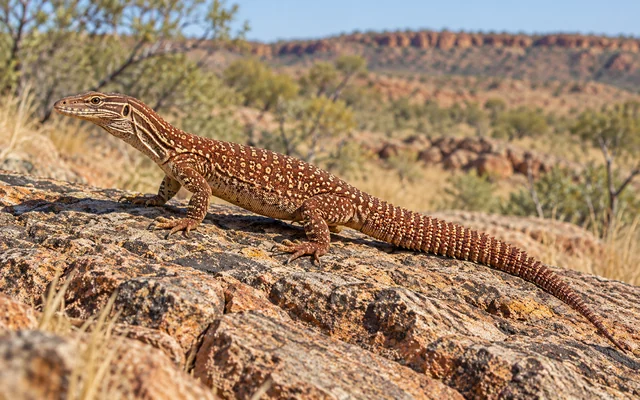
Ackie monitor
Varanus acanthurus is an active Australian monitor with a spiny tail, adapted to rocks, crevices and burrowing.
Care, setup and equipment ↗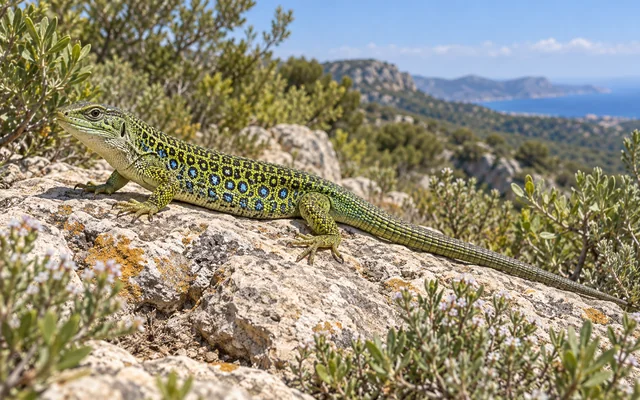
Jewelled lizard
Timon lepidus, formerly Lacerta lepida, is a Mediterranean lizard with characteristic blue flank spots in typical adults.
Care, setup and equipment ↗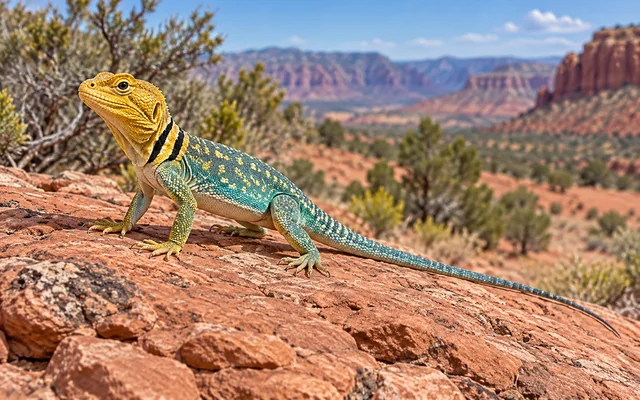
Common collared lizard
This profile covers Crotaphytus collaris. Other collared-lizard species, sexes and localities differ in size and colour.
Care, setup and equipment ↗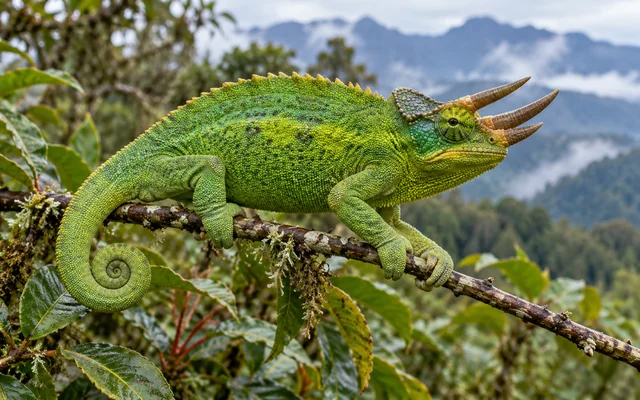
Jackson’s chameleon
Trioceros jacksonii contains geographically distinct forms. The three-horned adult male illustration does not represent every female or subspecies.
Care, setup and equipment ↗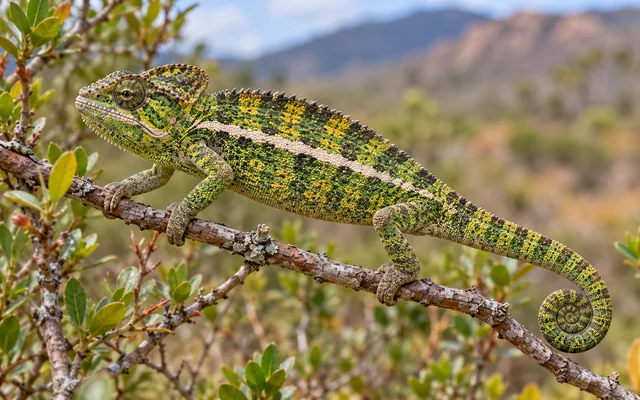
Carpet chameleon
Furcifer lateralis is a small Madagascan chameleon. Females can be strongly patterned; a colour display does not identify health or reproductive status.
Care, setup and equipment ↗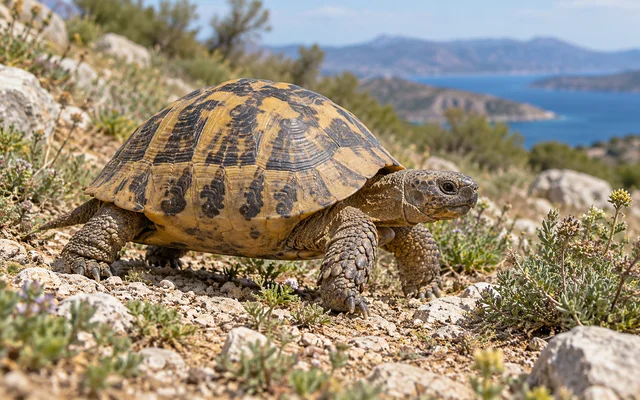
Greek / spur-thighed tortoise
Testudo graeca is a geographically varied species complex. North African and other forms must not be assigned one universal overwintering regime.
Care, setup and equipment ↗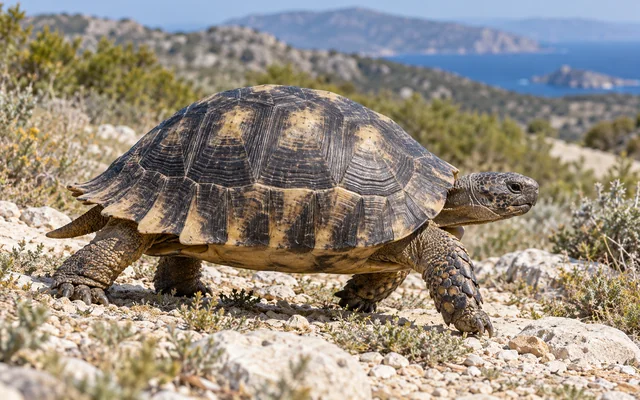
Marginated tortoise
Testudo marginata is the marginated tortoise, typically developing a flared rear shell margin. Juvenile shape alone is not reliable identity evidence.
Care, setup and equipment ↗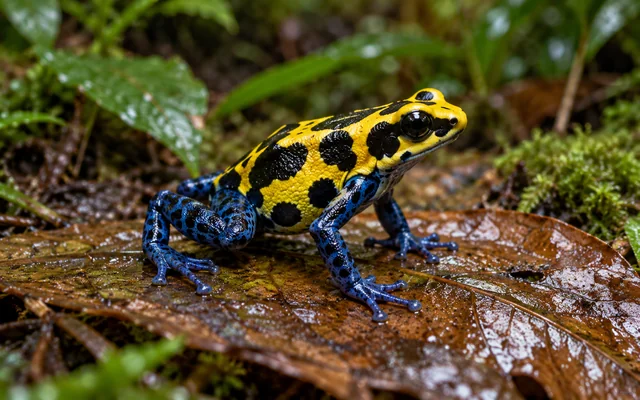
Dyeing poison dart frog
Dendrobates tinctorius has many distinct traded locality lines. Preserve their records and do not mix forms or use colour to prove ancestry.
Care, setup and equipment ↗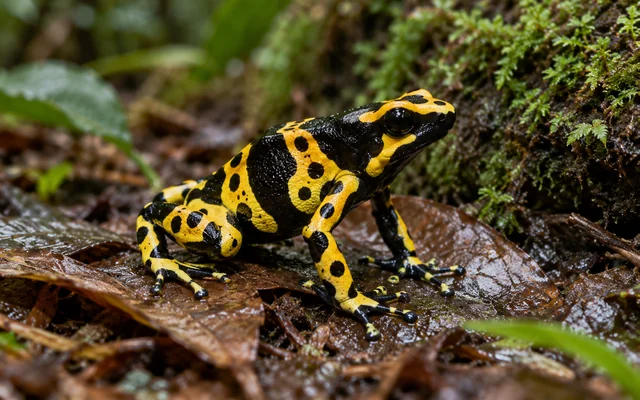
Bumblebee poison dart frog
Dendrobates leucomelas is the yellow-and-black bumblebee dart frog. Traded locality names require breeding records.
Care, setup and equipment ↗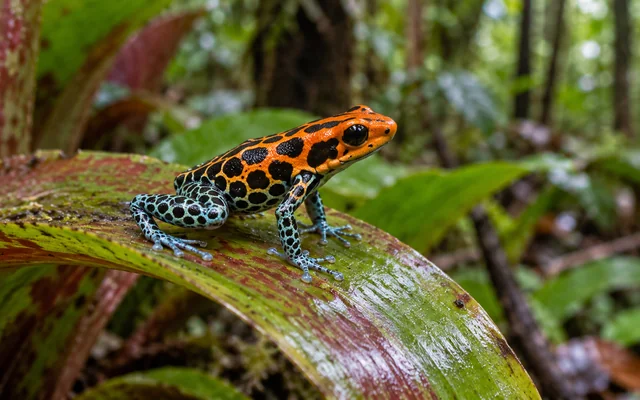
Imitator poison dart frog
Ranitomeya imitator is a small Peruvian dart frog with several locality patterns. Keep locality lines separate and documented.
Care, setup and equipment ↗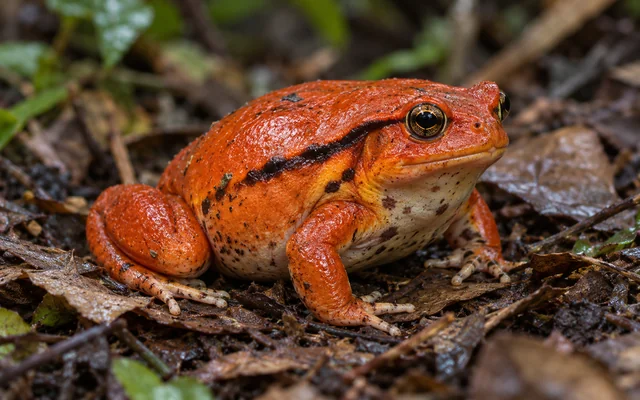
Tomato frog
This profile covers Dyscophus guineti, not D. antongilii. Juvenile colours and shared tomato-frog names can obscure the distinction.
Care, setup and equipment ↗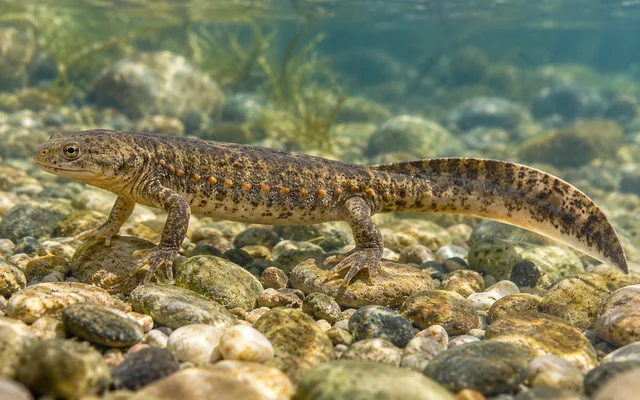
Spanish ribbed newt
Pleurodeles waltl is a mostly aquatic newt from Iberia and Morocco, with conspicuous rib-associated flank bumps.
Care, setup and equipment ↗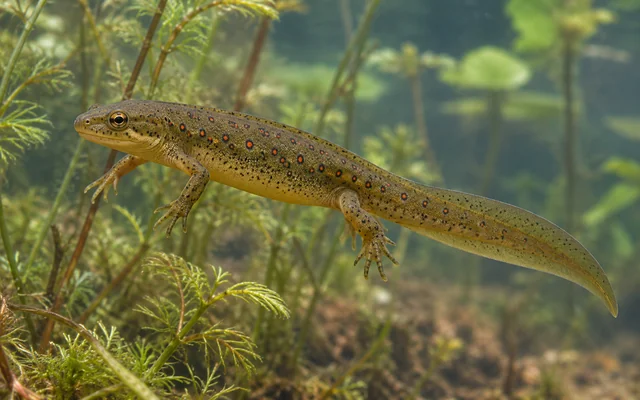
Eastern newt
Notophthalmus viridescens can have aquatic larvae, terrestrial efts and aquatic adults. Some forms skip or modify stages; the illustration depicts an adult.
Care, setup and equipment ↗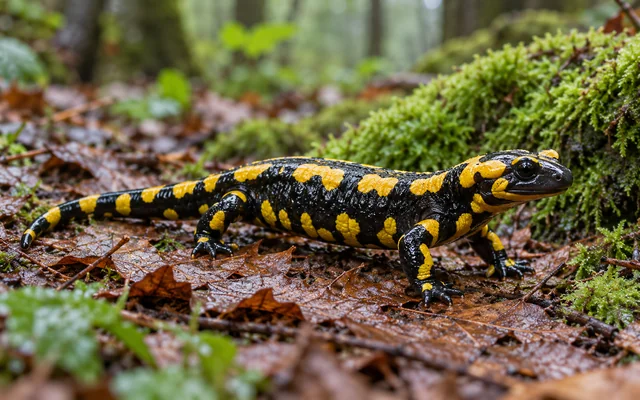
Fire salamander
Salamandra salamandra includes different geographic forms. Black-and-yellow patterns are not enough to establish a subspecies or origin.
Care, setup and equipment ↗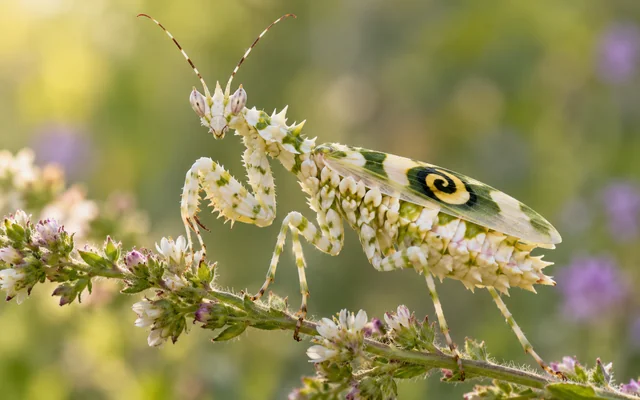
Spiny flower mantis
Pseudocreobotra wahlbergii is a flower mantis with a conspicuous wing eyespot. Related Pseudocreobotra can look similar.
Care, setup and equipment ↗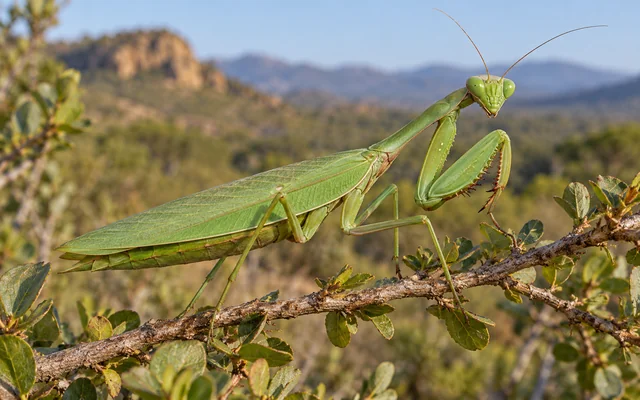
Giant African mantis
This is Sphodromantis viridis, distinct from the existing S. lineola profile despite overlapping African-mantis common names.
Care, setup and equipment ↗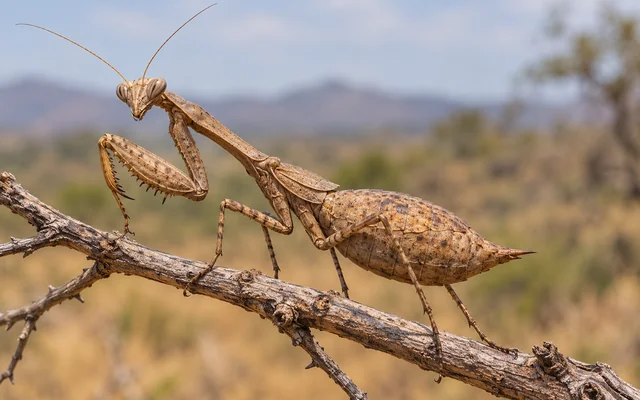
Budwing mantis
Parasphendale agrionina has strong sex differences: adult females retain short wings, while males are more lightly built.
Care, setup and equipment ↗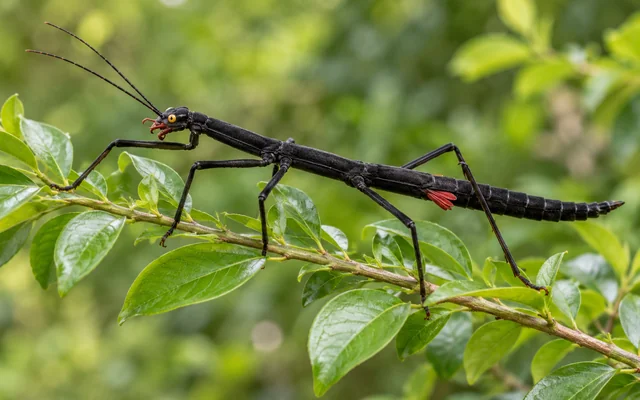
Black beauty stick insect
Peruphasma schultei is a dark Peruvian phasmid with small red wings. It can release an irritating defensive spray.
Care, setup and equipment ↗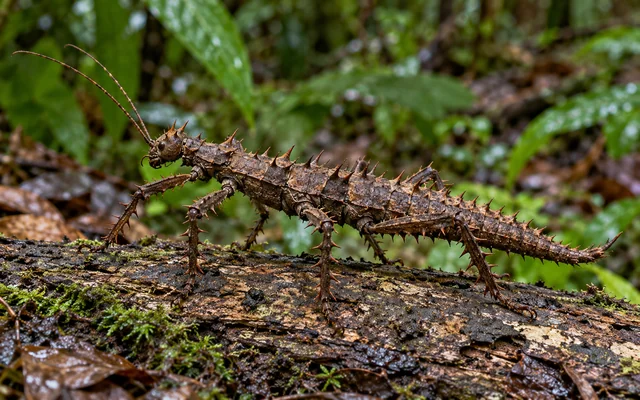
Thorny devil stick insect
Eurycantha calcarata is a robust, spined ground-associated phasmid. Adult males can pinch with the hind legs.
Care, setup and equipment ↗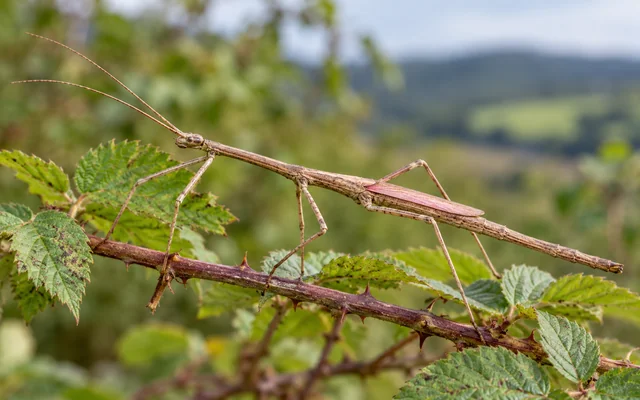
Pink-winged stick insect
Sipyloidea sipylus is a slender winged phasmid; captive female lines may reproduce without a male.
Care, setup and equipment ↗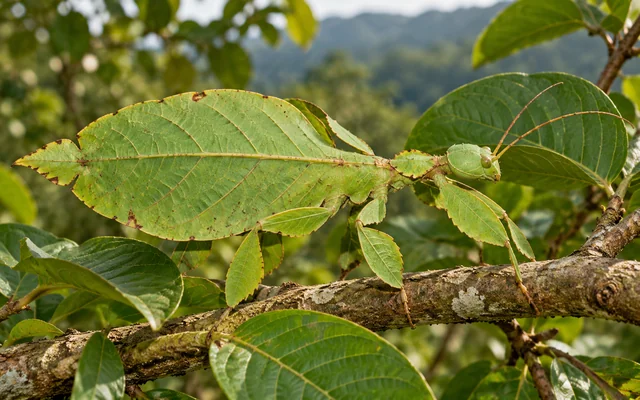
Giant leaf insect
Pulchriphyllium giganteum is also documented as Phyllium giganteum. Preserve the taxon and culture record rather than identifying from leaf-like appearance.
Care, setup and equipment ↗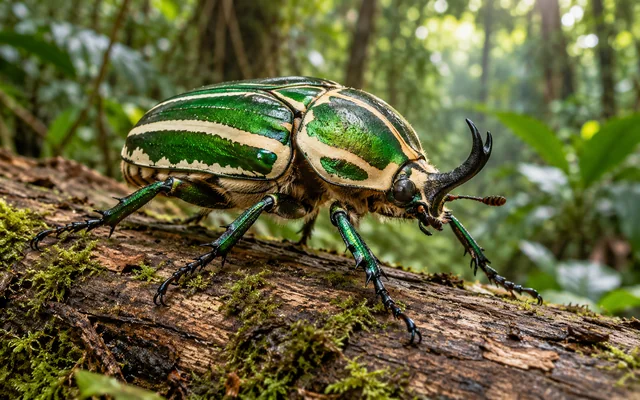
Giant African flower beetle
Mecynorrhina torquata includes traded subspecies and lines. Retain the exact breeding record rather than inferring it from adult colour.
Care, setup and equipment ↗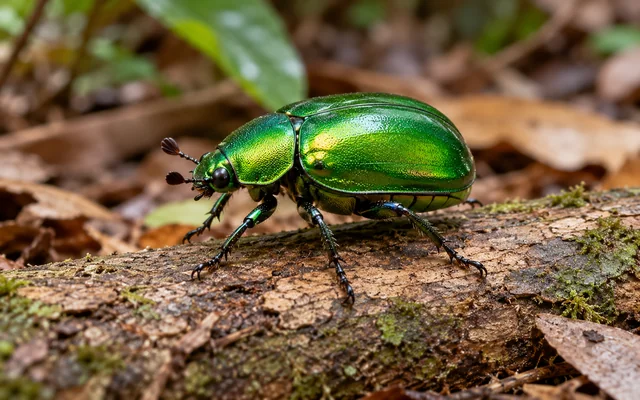
Green African flower beetle
Chlorocala africana has different traded forms. Green colour alone does not distinguish every related flower beetle.
Care, setup and equipment ↗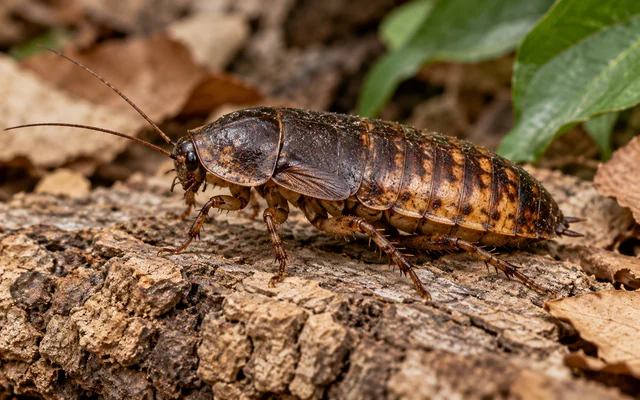
Dubia cockroach
Blaptica dubia has long-winged adult males and broad females with short wing buds. The illustration depicts a female.
Care, setup and equipment ↗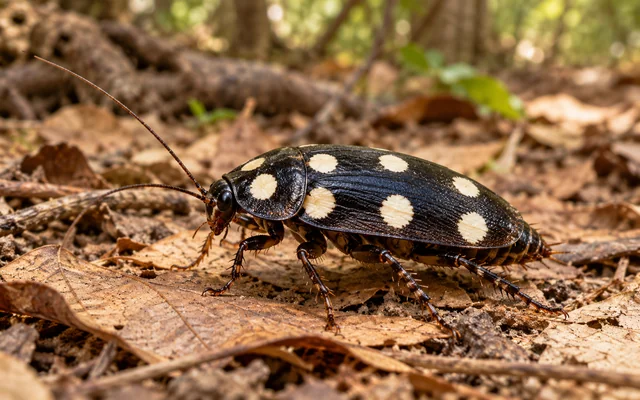
Domino cockroach
The requested name is Therea petiveriana, but traded domino stock may be T. bernhardti. Keep the record as an unresolved Therea identity until provenance or diagnostic examination resolves it.
Care, setup and equipment ↗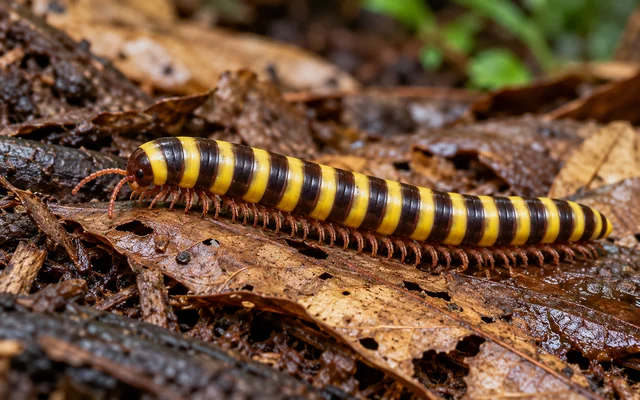
Bumblebee millipede
Anadenobolus monilicornis is a small ring-patterned millipede associated with the Caribbean and introduced populations.
Care, setup and equipment ↗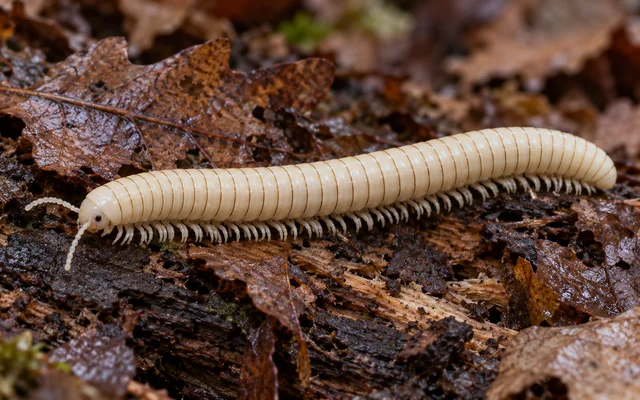
Ivory millipede
Chicobolus spinigerus is the Florida ivory millipede. Trade colour names do not identify a separate species.
Care, setup and equipment ↗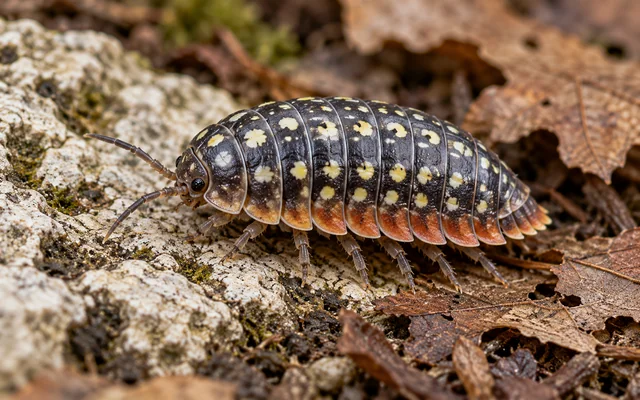
Clown isopod
Armadillidium klugii is a Balkan pill isopod. Trade morph names and changing spot colours do not by themselves prove locality.
Care, setup and equipment ↗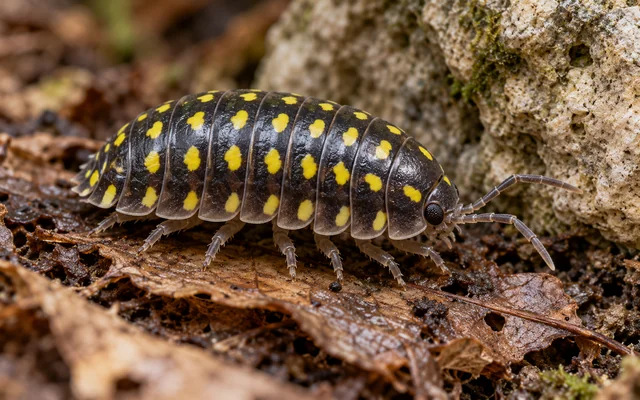
Yellow-spotted isopod
Armadillidium gestroi is distinct from the clown and zebra isopods already described. Yellow spotting is an aid to illustration, not identity proof.
Care, setup and equipment ↗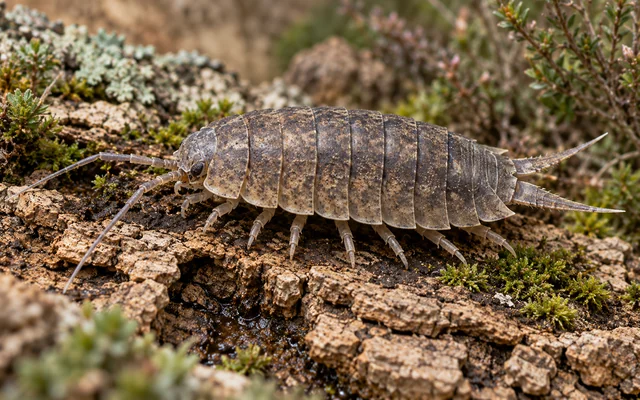
Giant Spanish isopod
Porcellio hoffmannseggi is a large Iberian isopod with conspicuous antennae and rear appendages. Its size does not make every advertised giant-isopod line equivalent.
Care, setup and equipment ↗Explore animal groups
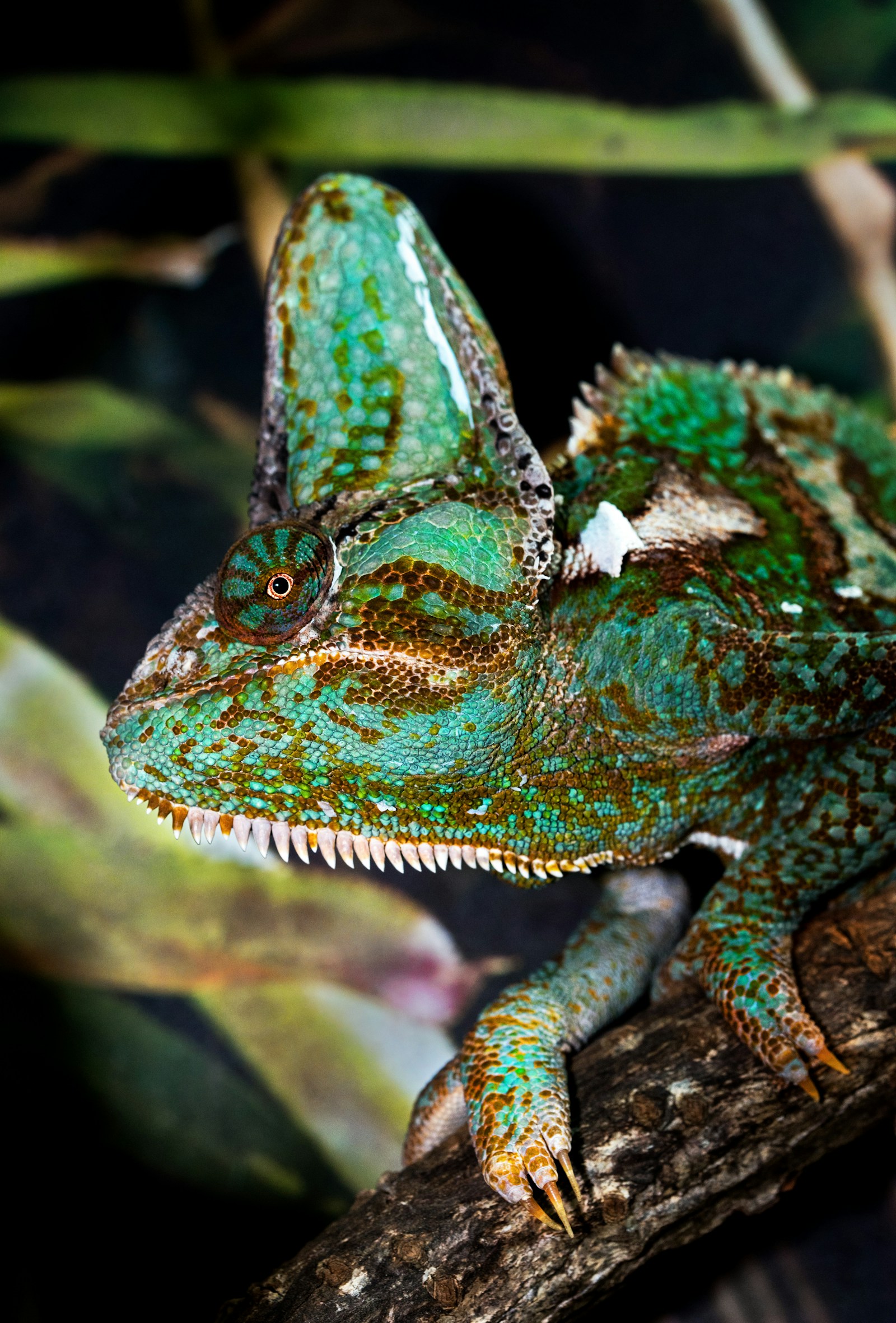
Chameleons: care foundations
Veiled / Yemen and panther chameleons need separate species plans. This page covers shared planning questions.
Read guide ↗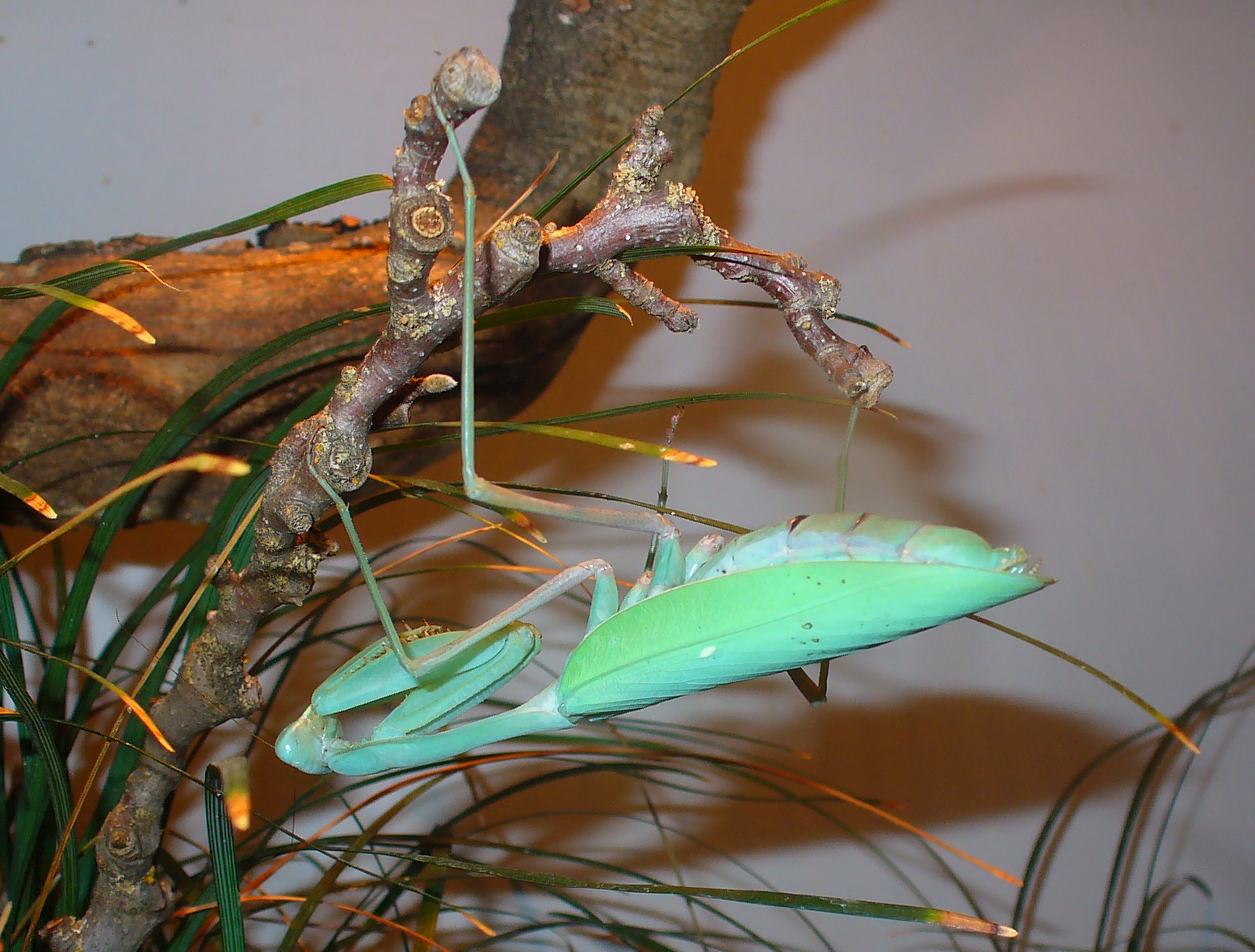
Mantises: housing, food & moulting
Ghost, shield and giant Asian mantises have different requirements. Start with safe housing principles.
Read guide ↗Tarantulas: terrestrial or arboreal?
Chilean rose and pinktoe tarantulas should not share a generic enclosure recipe.
Read guide ↗Isopods: a species-first care guide
Woodlice are small, social detritivores, but “isopod” covers animals with different moisture and ventilation needs.
Read guide ↗Springtails: clean-up cultures
Springtails are tiny soil invertebrates used in cultures and some bioactive systems; moisture is essential, but a culture is not a universal enclosure prescription.
Read guide ↗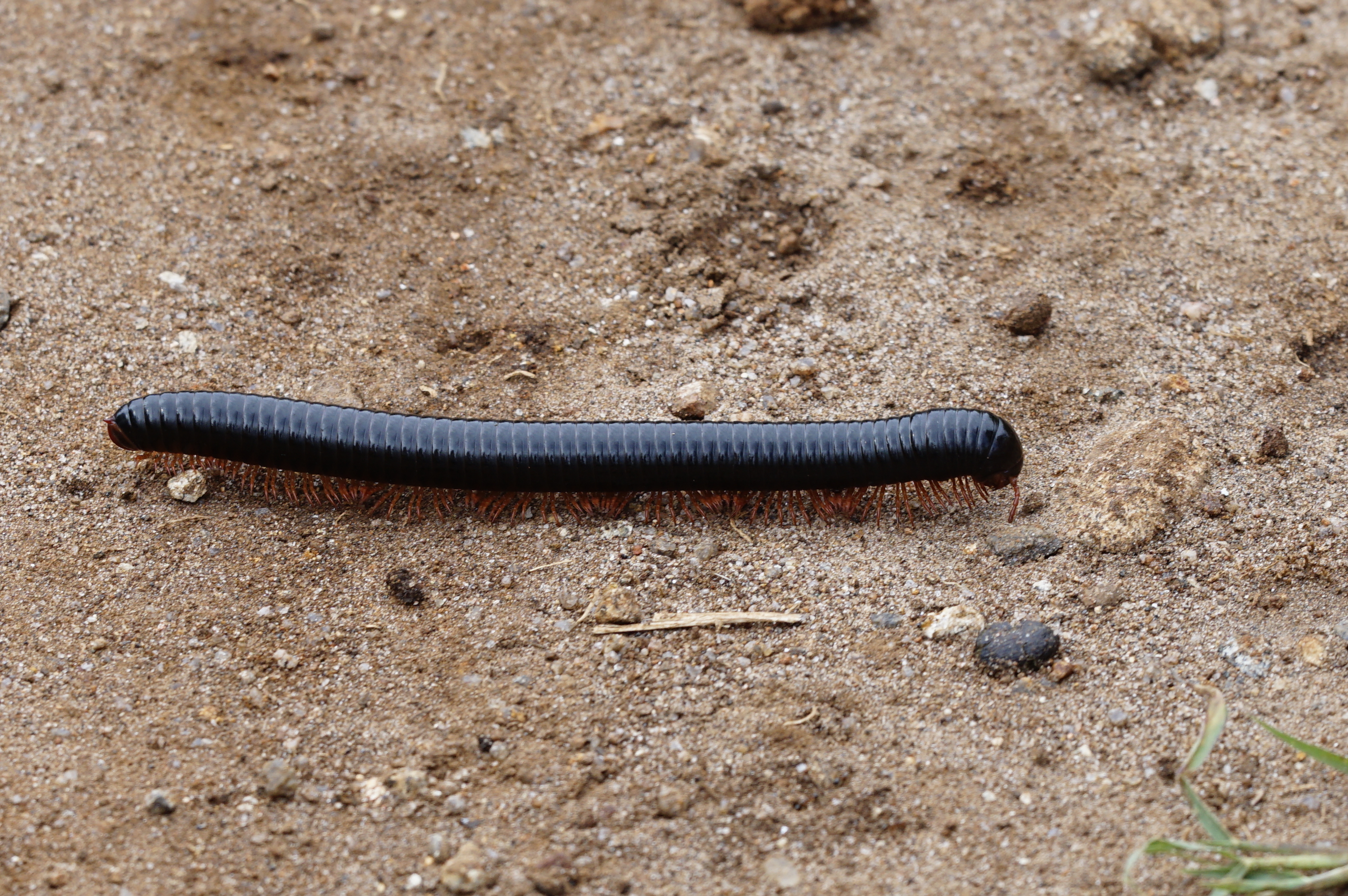
Millipedes: soil, shelter & safe handling
Millipede species vary widely; this overview follows the AES giant-millipede foundation without turning it into a recipe for every species.
Read guide ↗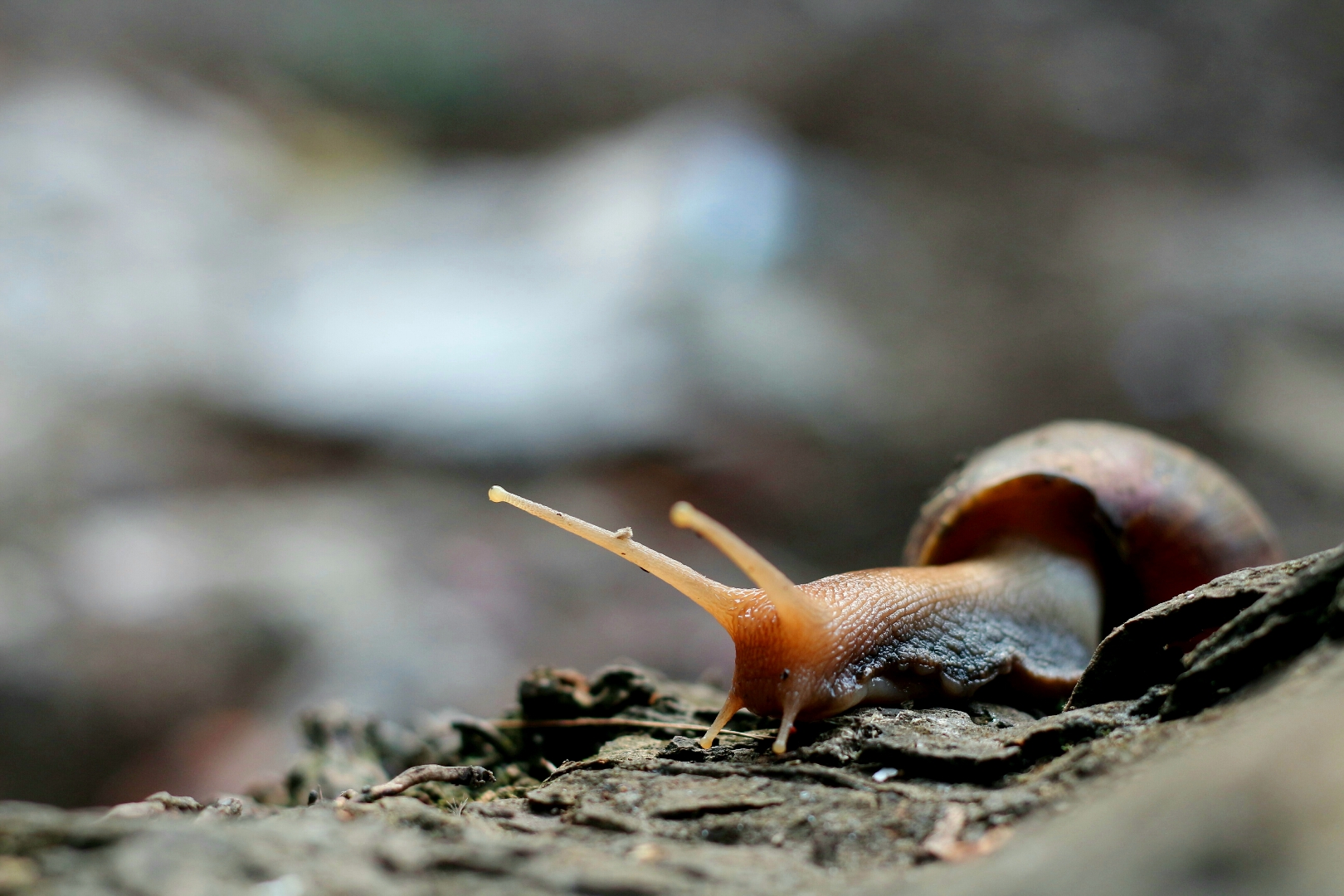
Land snails: calcium, hygiene & legality
Land snails need a species-specific enclosure, diet and legal check; giant African land snails in particular should never be acquired casually.
Read guide ↗Care essentials
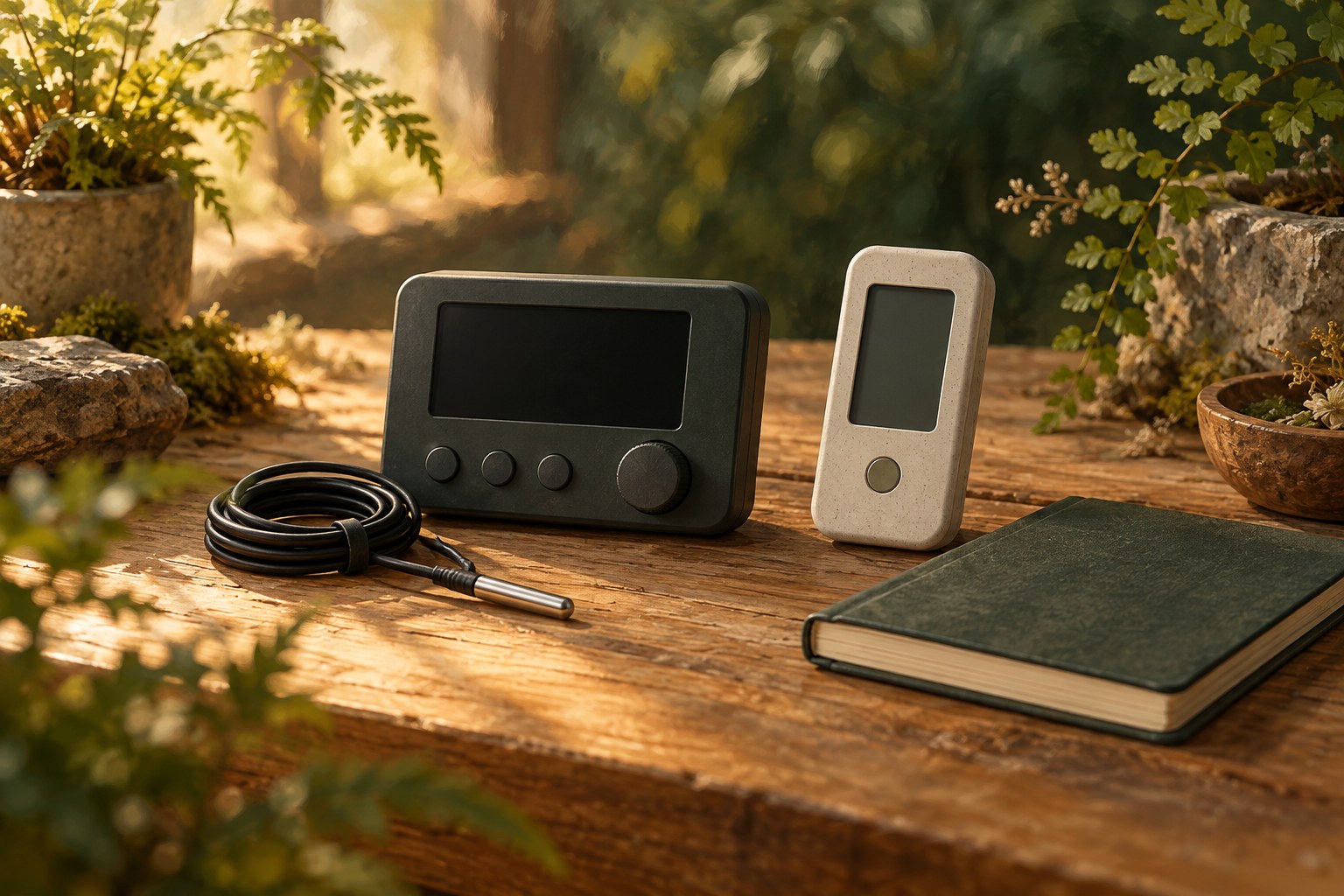
Heating & thermostats
Control the heat source, then verify the animal’s environment independently.
Read guide ↗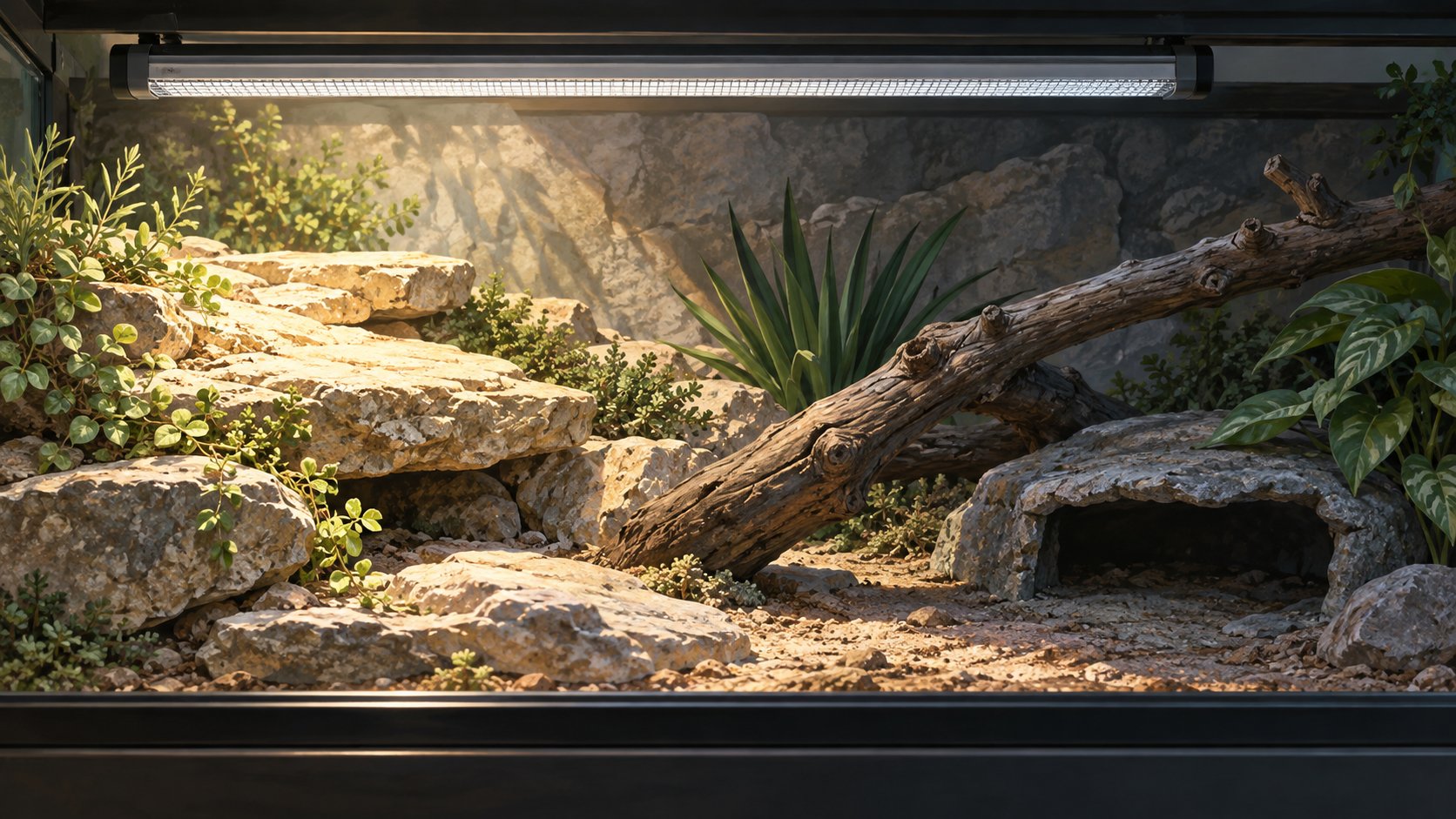
UVB, shade & lamp choice
The UV reaching an animal matters more than the percentage printed on a box.
Read guide ↗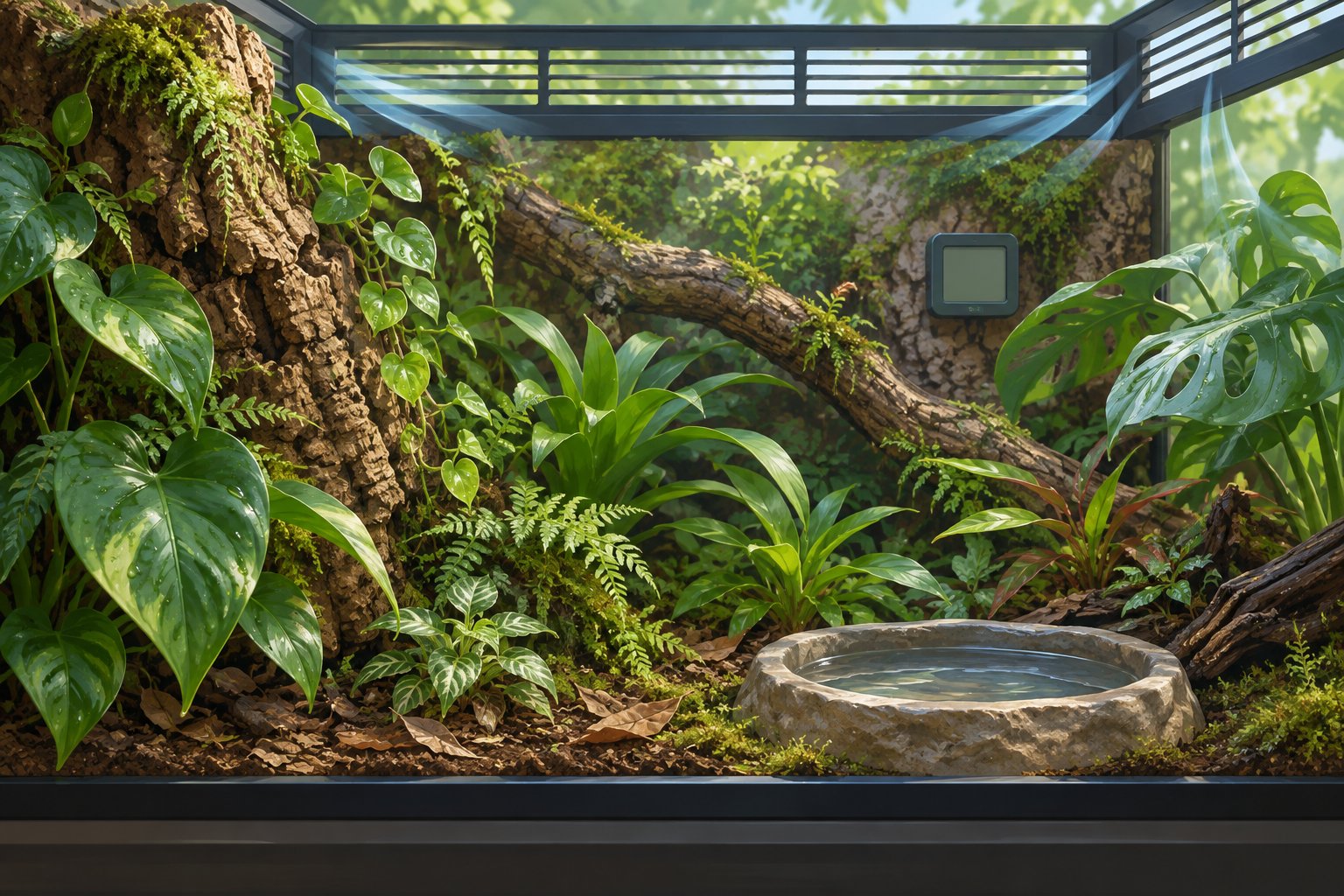
Humidity, hydration & ventilation
A humidity reading is useful only when you know where and when it was measured.
Read guide ↗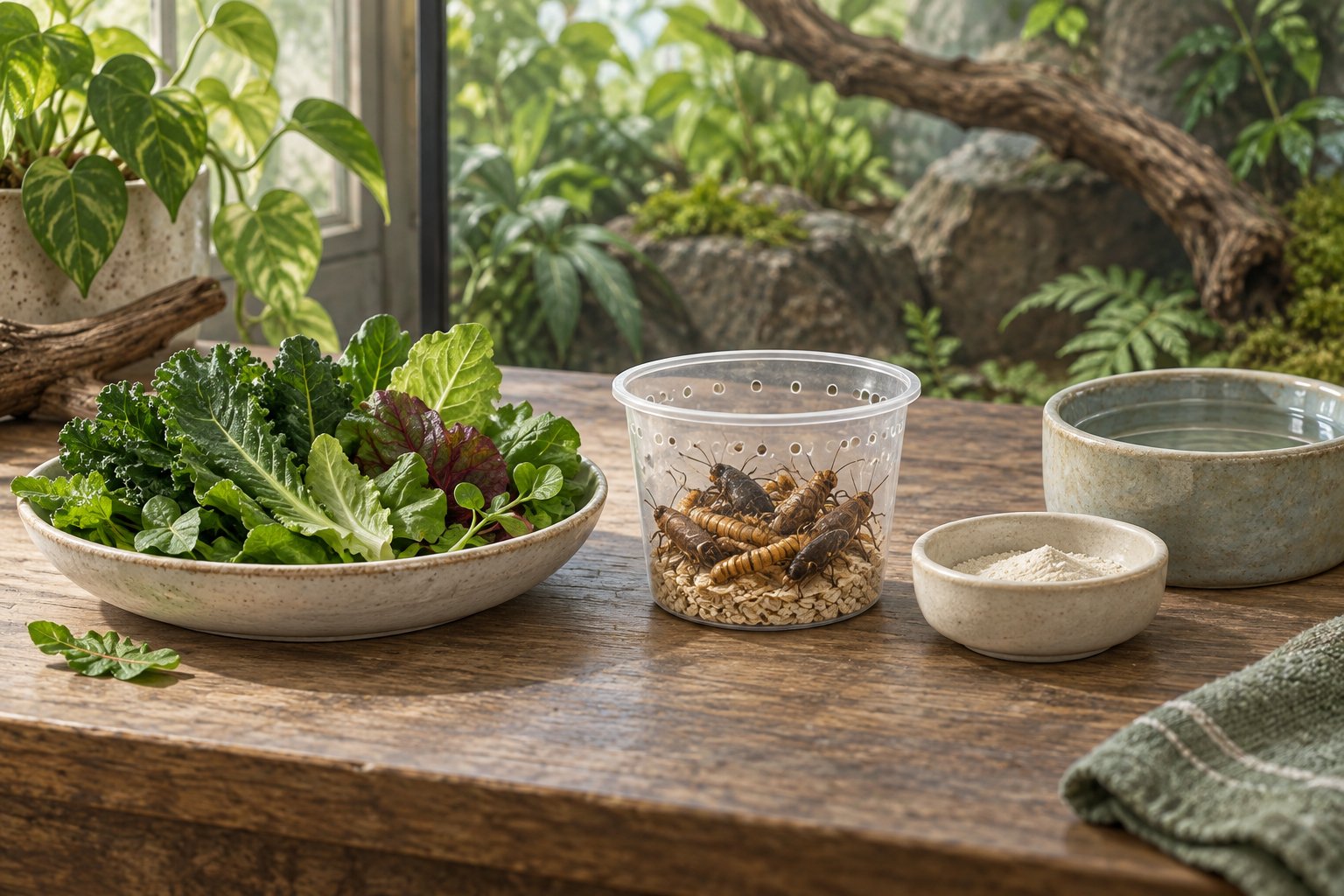
Diet & supplement planning
Insectivores, omnivores and whole-prey feeders need different feeding plans.
Read guide ↗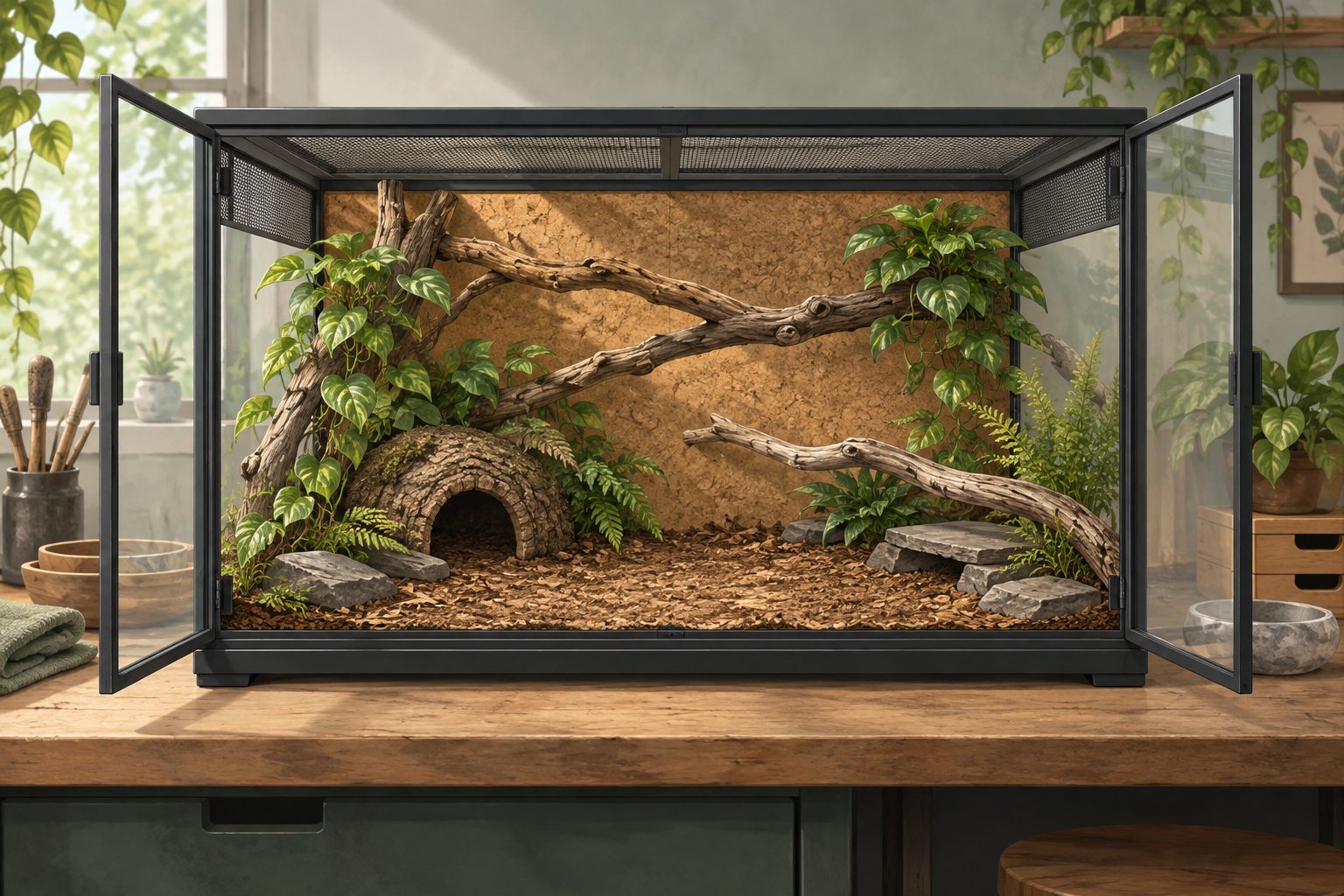
Choosing an enclosure
Start with adult size, movement, climate and maintenance access.
Read guide ↗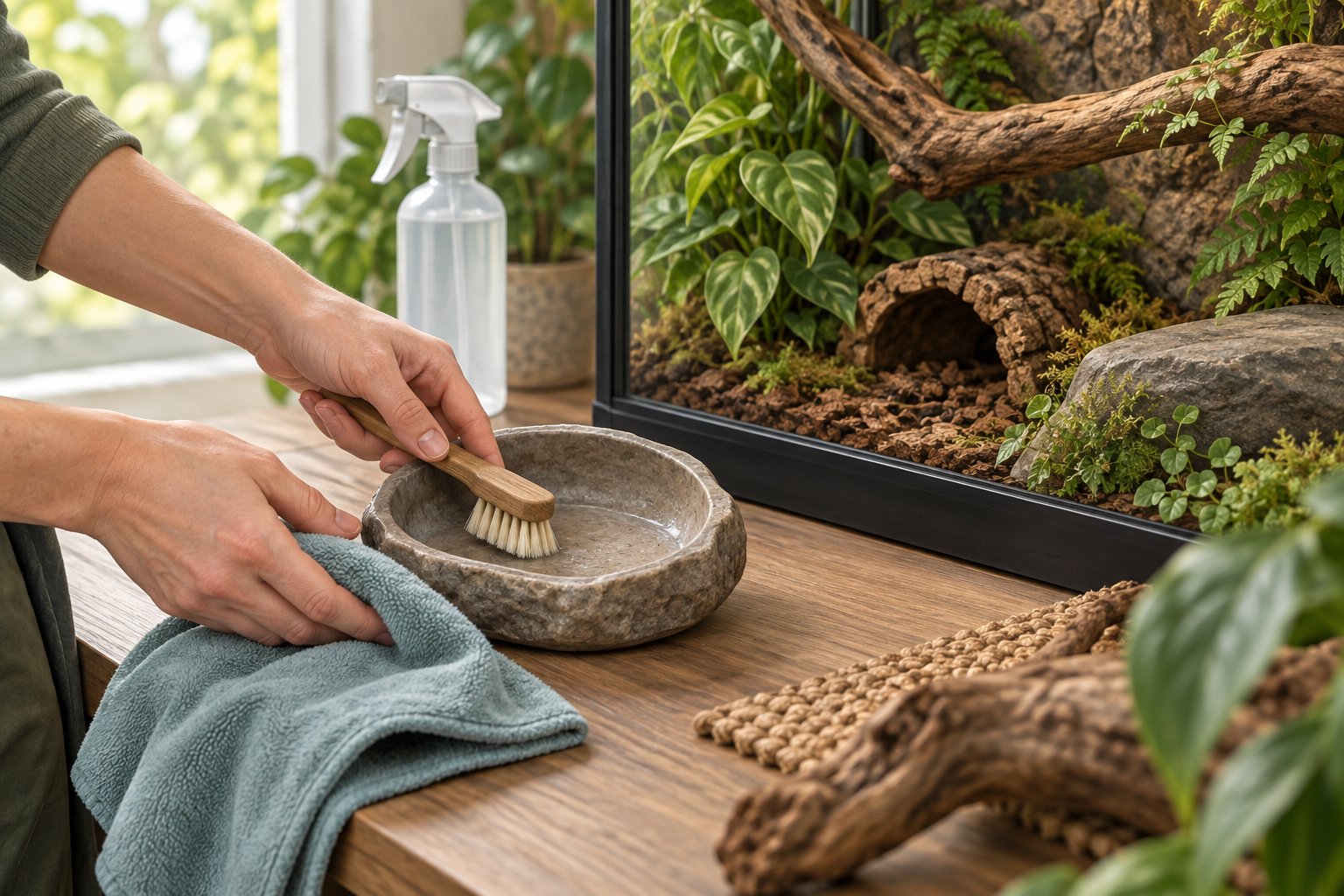
Habitat maintenance & cleaning
A repeatable maintenance routine protects welfare, catches changes early and keeps the enclosure usable.
Read guide ↗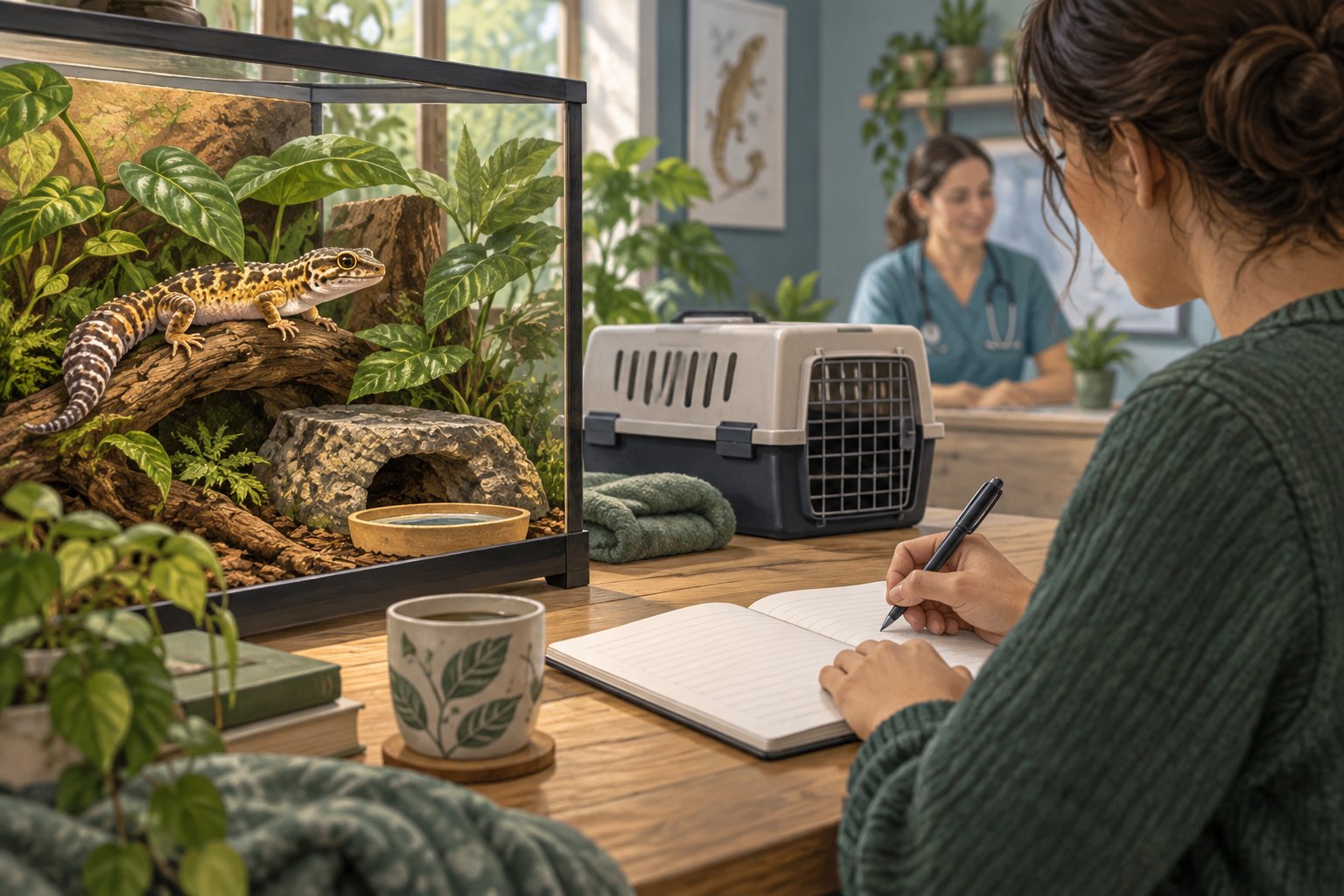
Common problems & safer next steps
Use symptoms as prompts to pause and contact an exotics veterinarian, not as a diagnosis tool.
Read guide ↗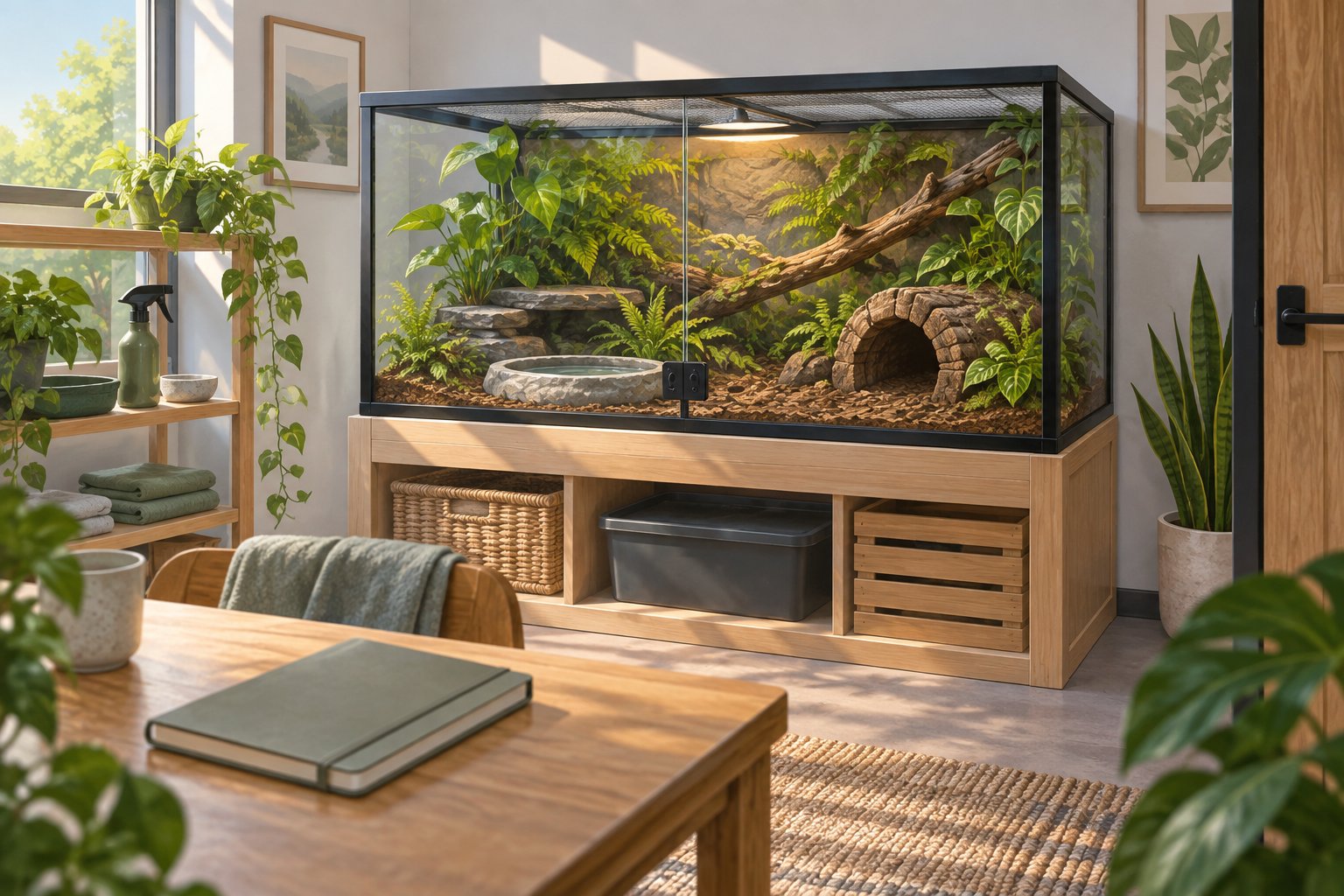
Before you keep an exotic animal
A responsible start includes legal checks, a prepared habitat, a specialist vet and a realistic long-term budget.
Read guide ↗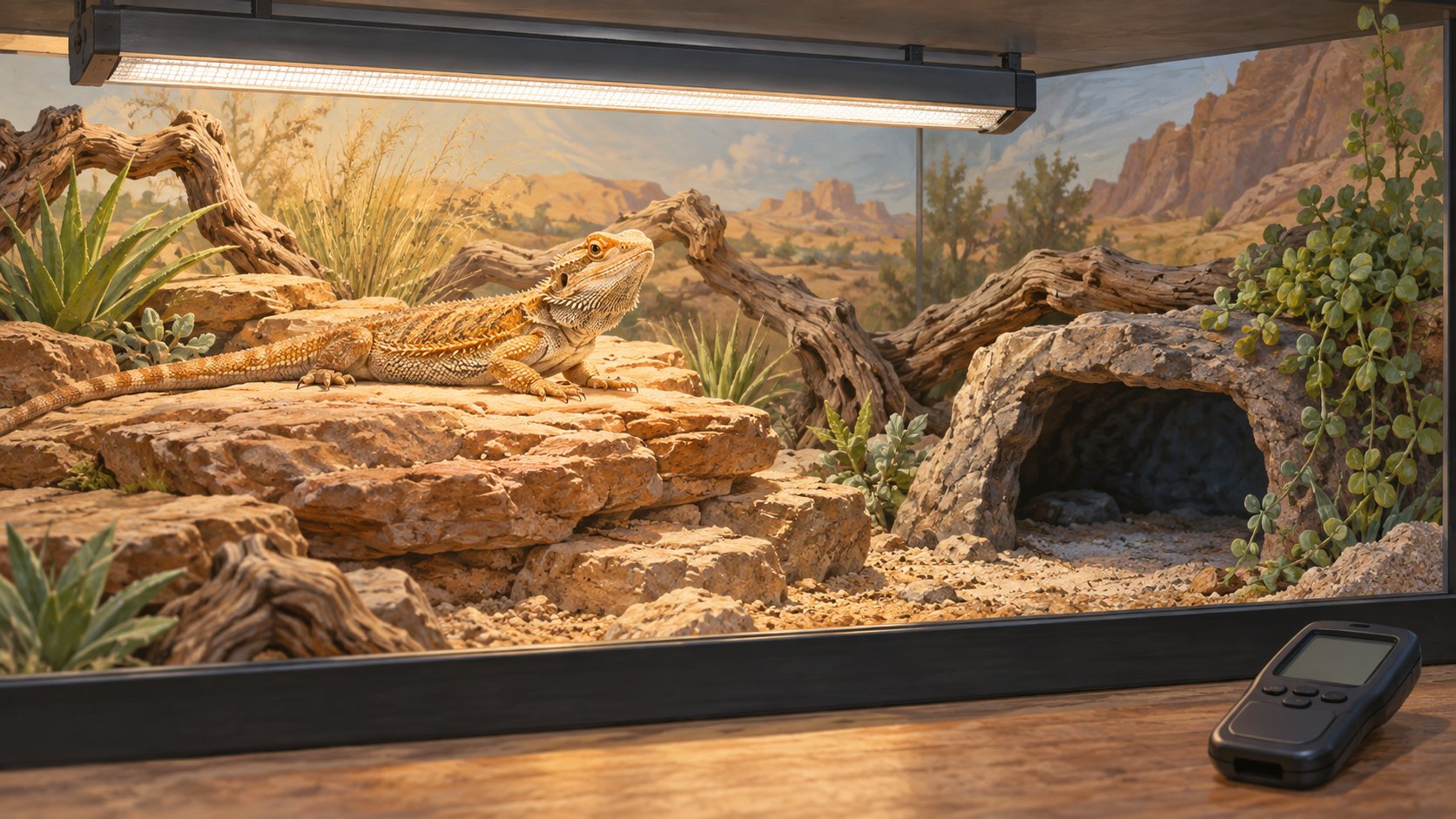
Bearded dragon UVB setup: gradient, shade & checks
A bearded dragon UVB plan is an installed system: lamp, guard, distance, shade and measured output must work together.
Read guide ↗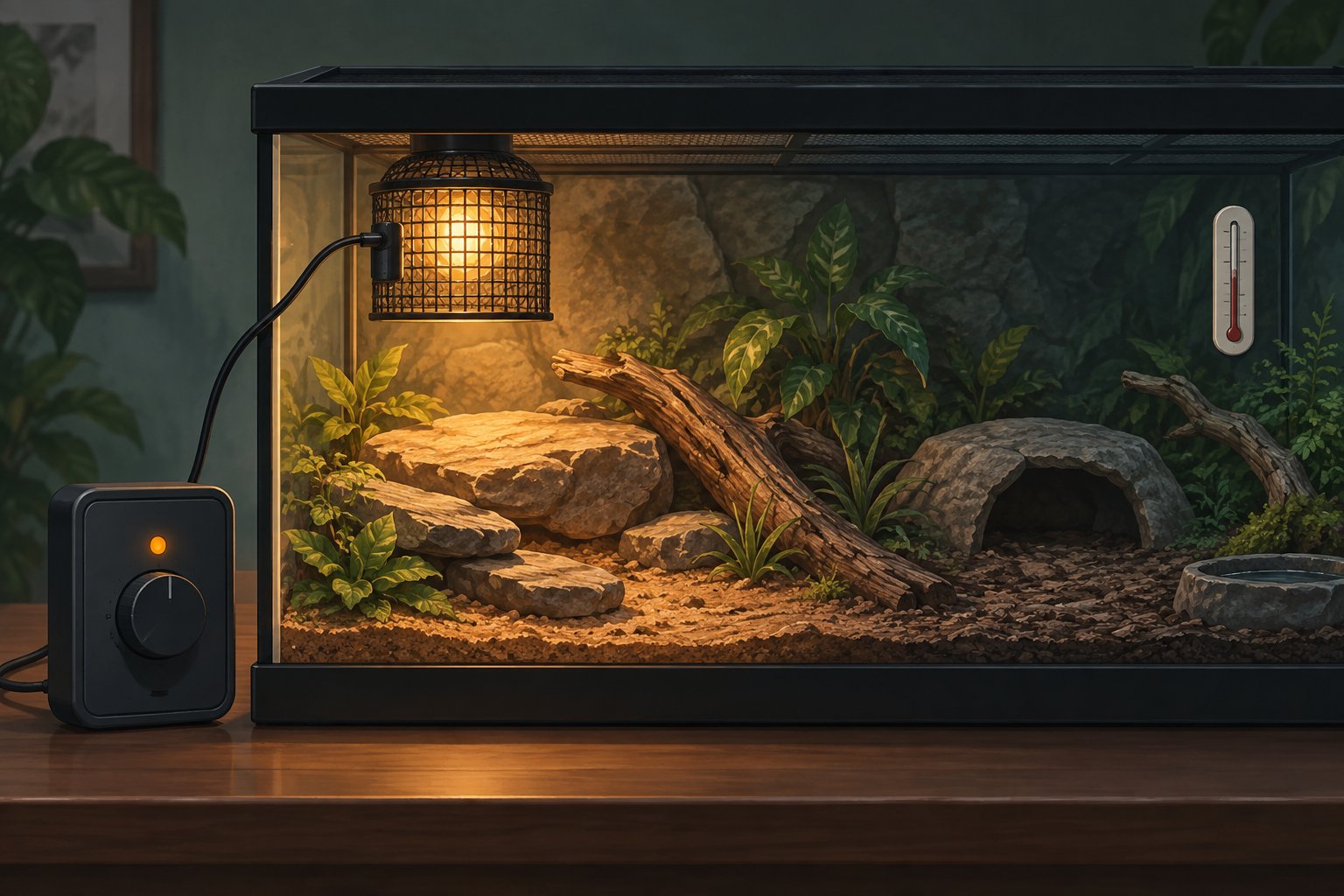
Reptile thermostat guide: choosing control safely
A thermostat controls the heater. Use independent measurements to check that the enclosure provides the warm and cool areas your animal needs.
Read guide ↗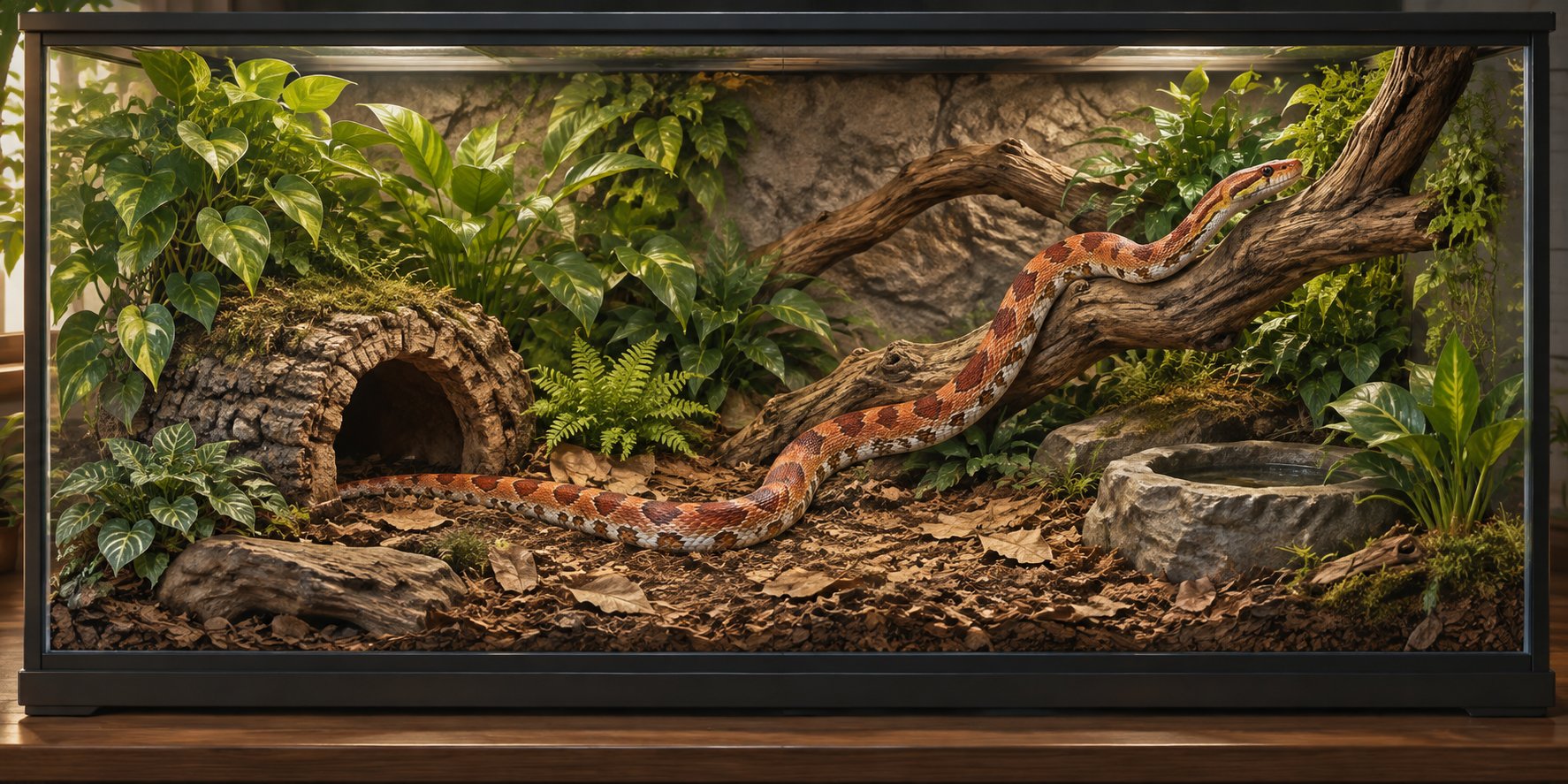
Vivarium size guide: plan usable space before buying
Start with the space your adult animal can actually use. Check floor area, climbing room, ventilation and installed equipment as well as the outside dimensions.
Read guide ↗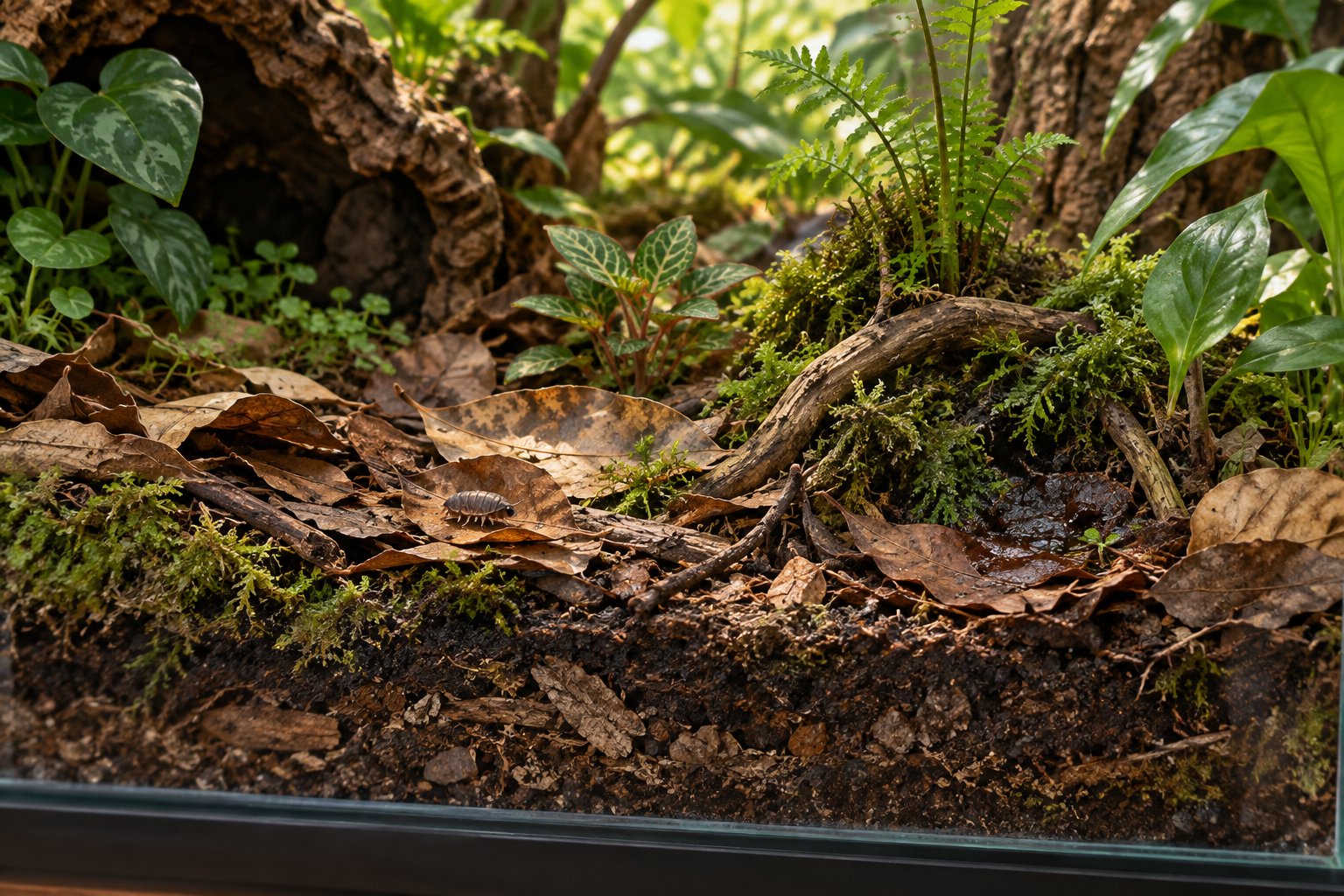
Bioactive substrate guide: drainage, moisture & limits
Bioactive does not mean maintenance-free: substrate depth, moisture, drainage, ventilation and the resident animal’s needs must be planned together.
Read guide ↗