What arid means here
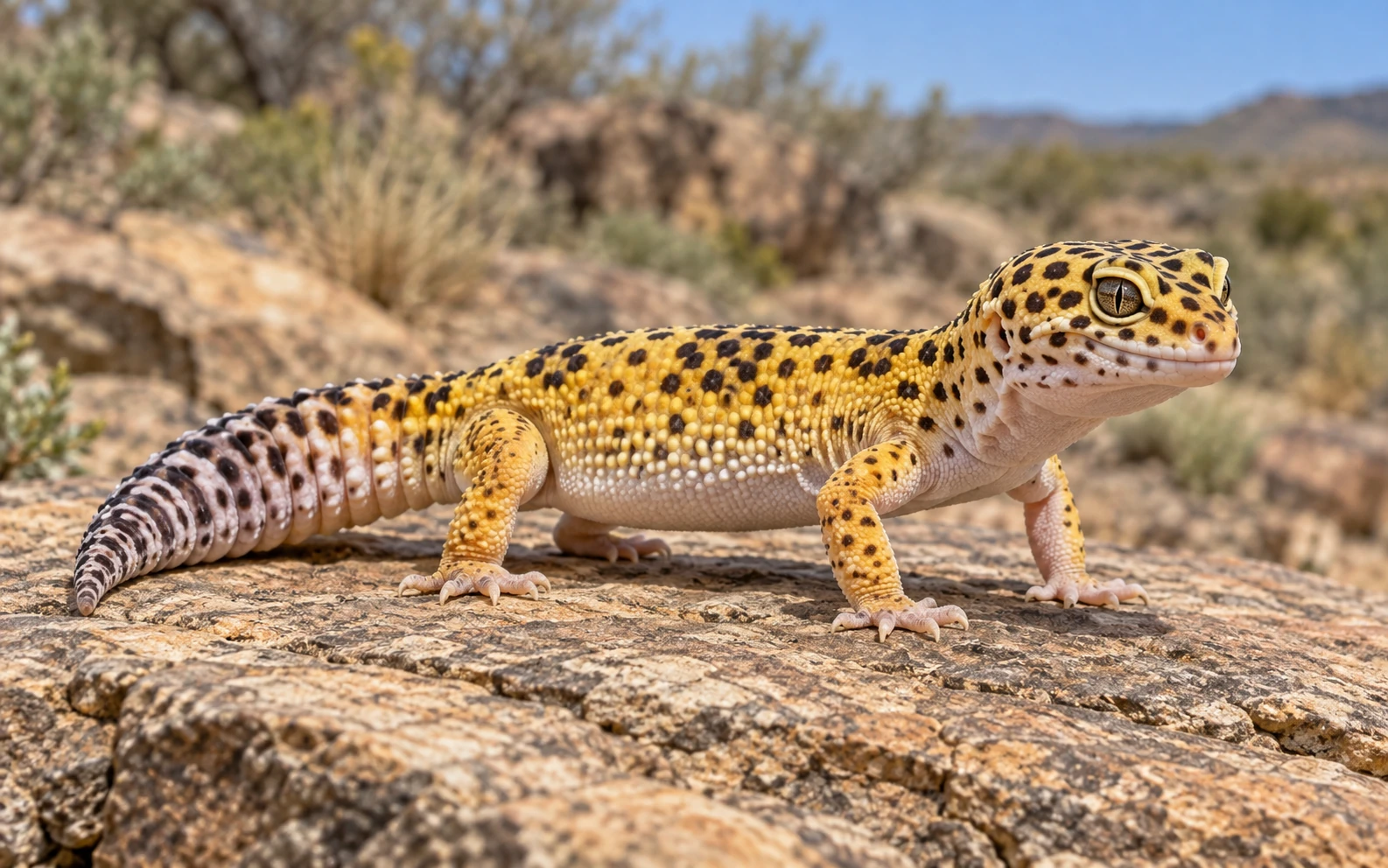
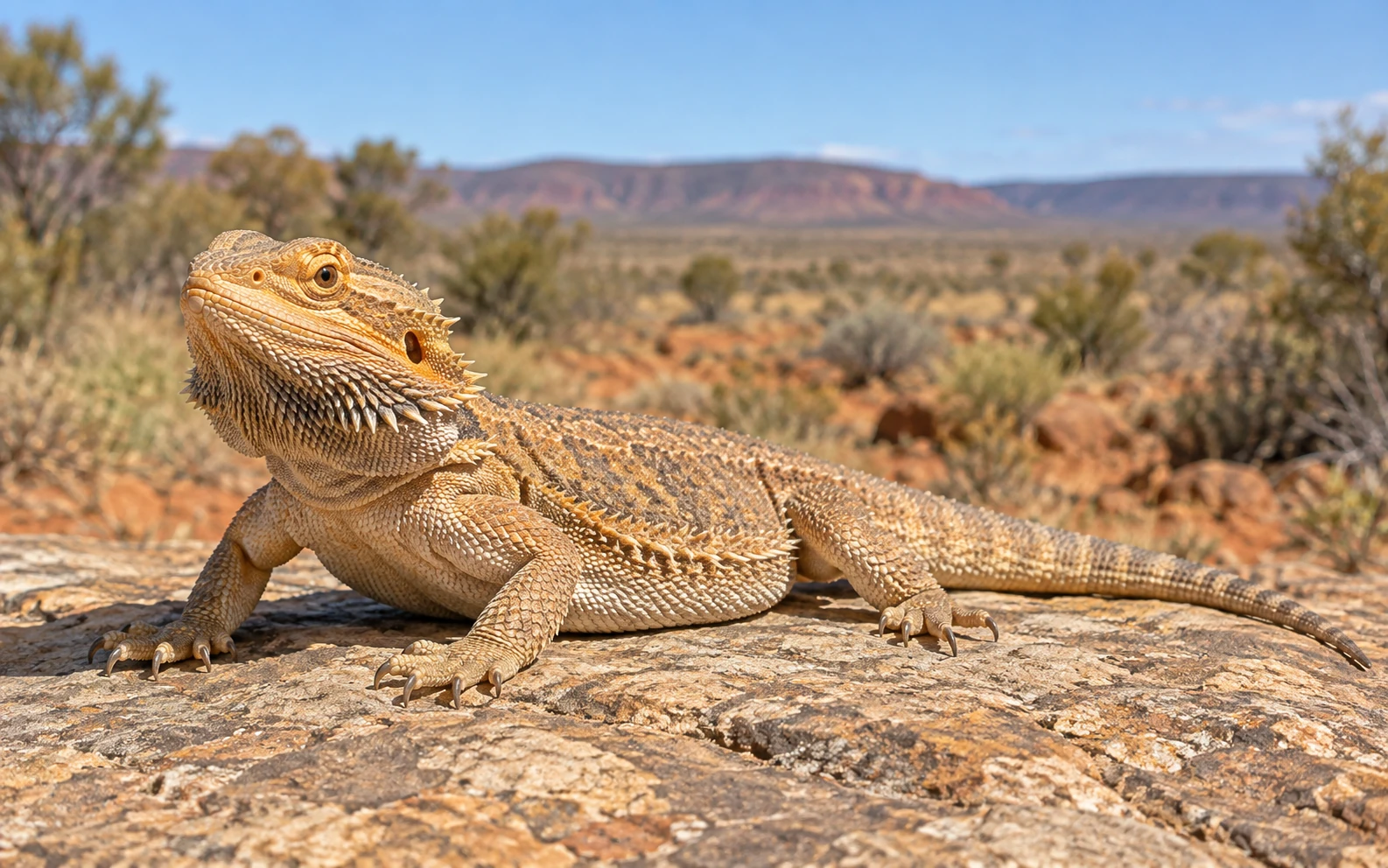
Leopard geckos and bearded dragons require different heat and UV conditions. Arid is not a shared prescription.
Sources: RSPCA — leopard gecko care · RSPCA — bearded dragon care
Plan the enclosure
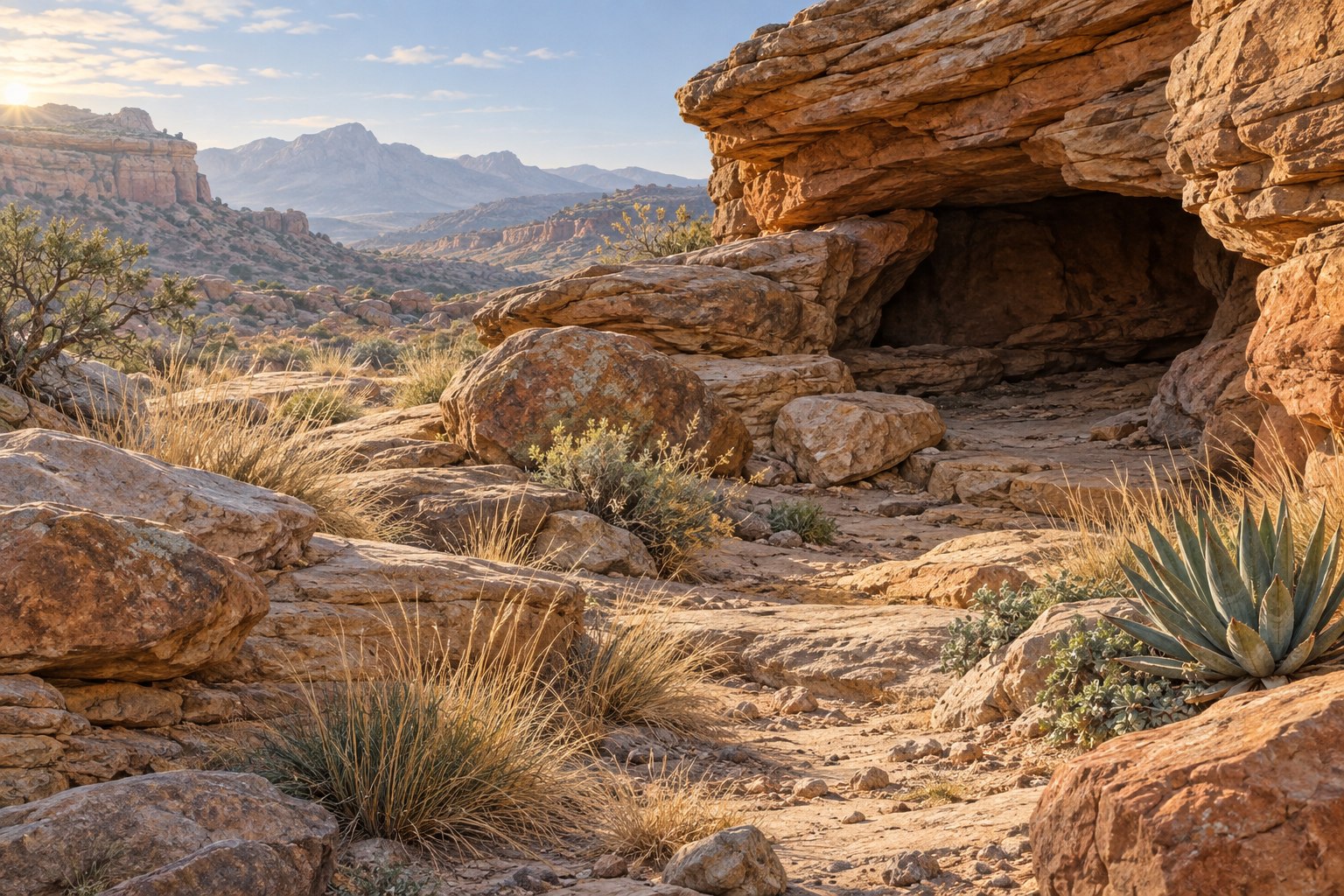
Choose the animal first, then map its warm zone, cooler retreat, UV exposure, hides, water and substrate. Measure the actual enclosure before introducing the animal. Sand, a powerful lamp and a cactus decoration do not by themselves make an appropriate habitat.
Animals to research
Start with the separate leopard gecko and bearded dragon guides below. They are alternative species to research, not animals to house together.
FROM CARE TO EQUIPMENT
Equipment types to compare
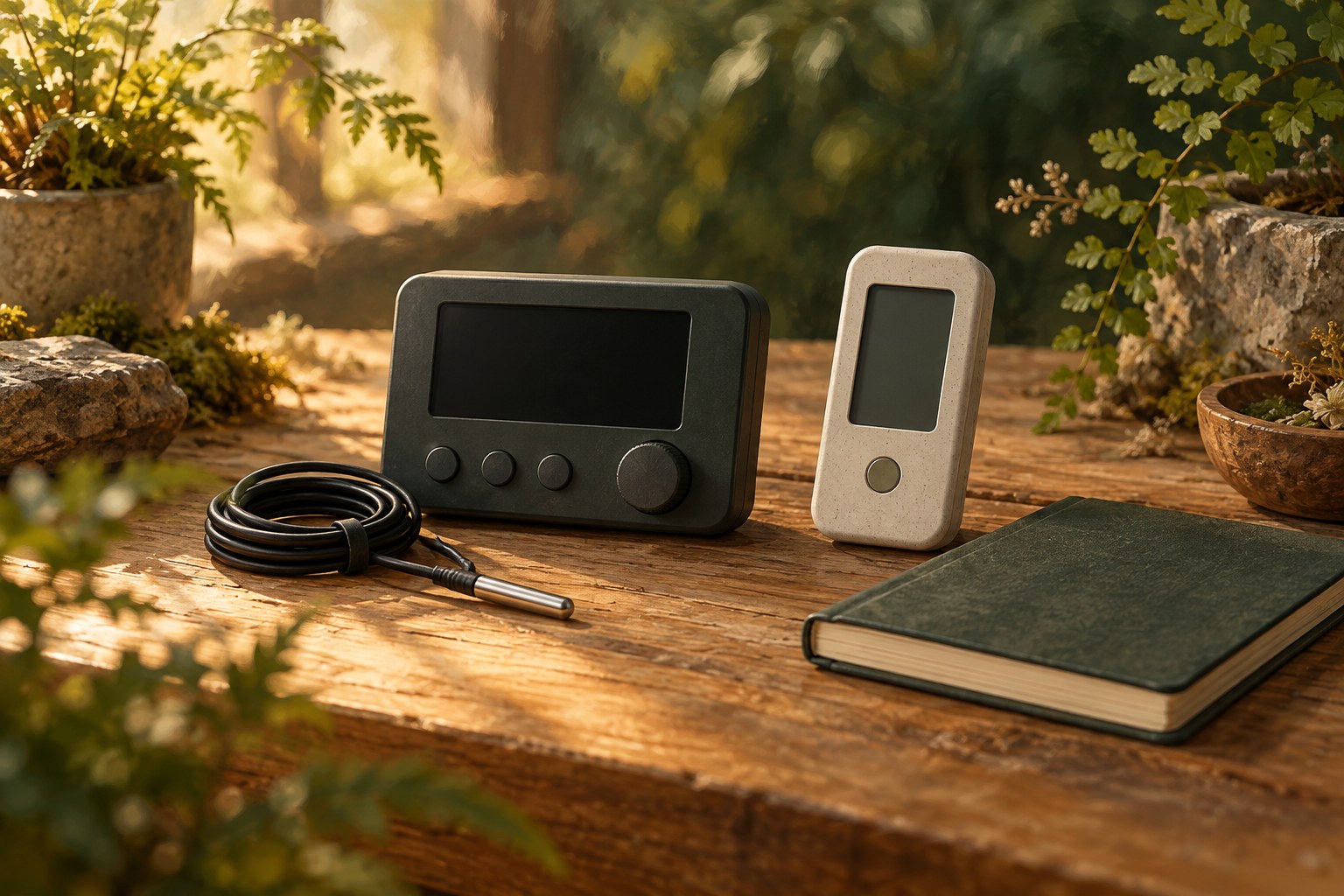
These equipment types relate to the care needs above. The sources do not endorse these products, and the links do not form a complete setup. Check size, output and compatibility for your enclosure; nothing is added automatically.
Sources & limitations
Source dates, product evidence and individual-animal limitations still apply.