Species and sourcing
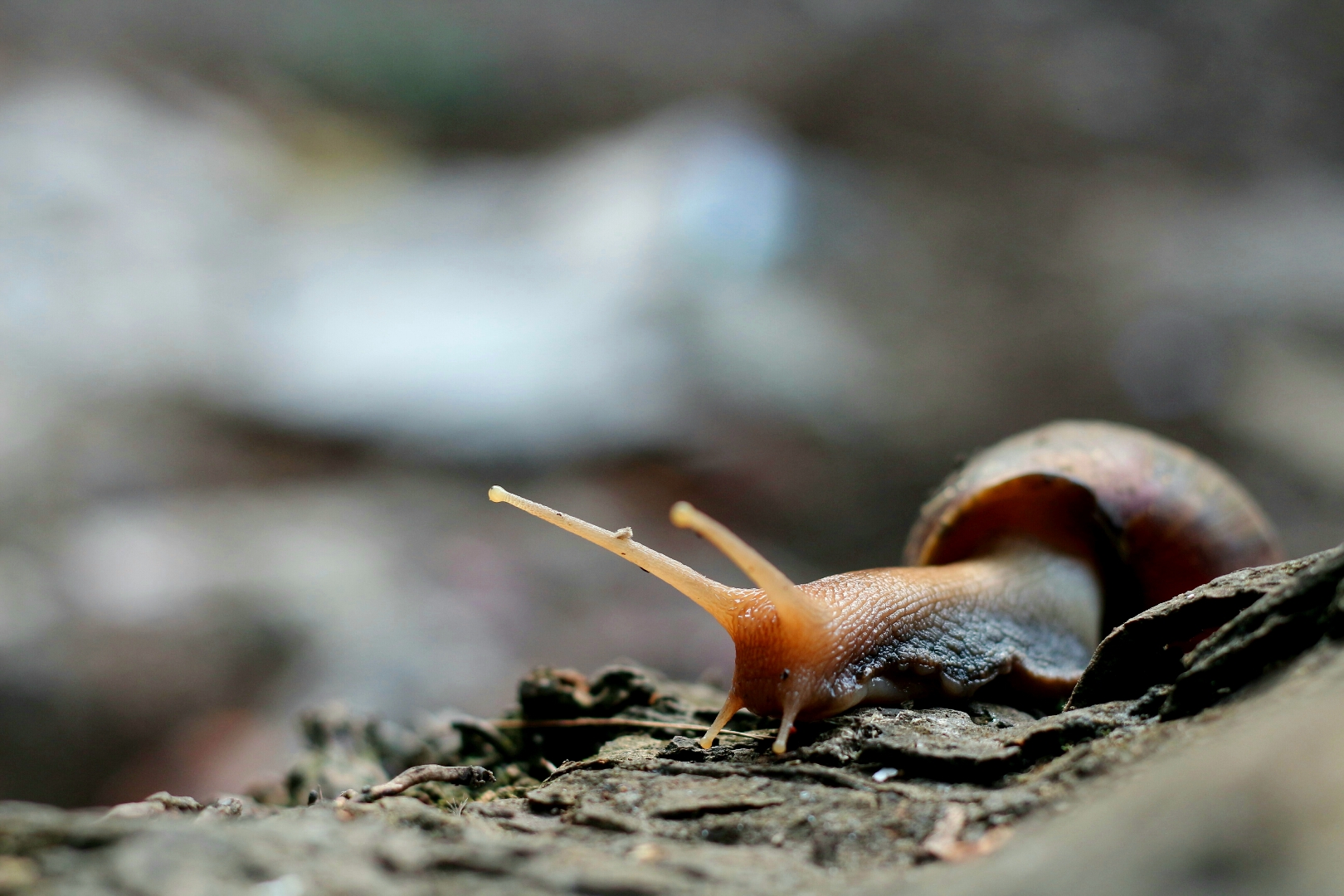
Identify the exact species and check local rules before purchase or transport. The Conchological Society notes that giant African land snails include many species and that sellers may provide poor information. Keep source records and never release a non-native snail.
Sources: Conchological Society of Great Britain & Ireland — giant African land snails · GOV.UK — selling animals as pets: statutory guidance
Housing and calcium
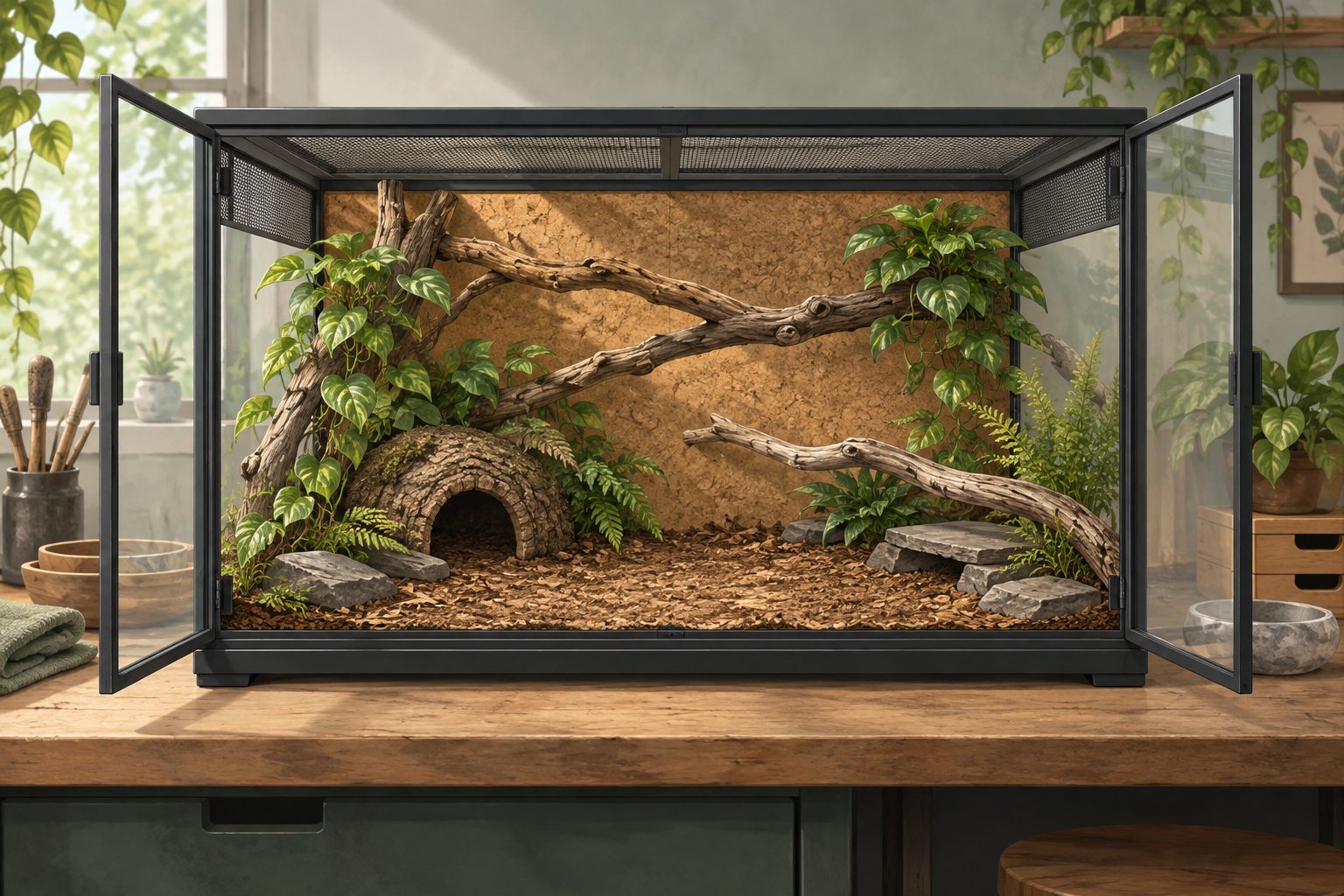
Provide a secure, ventilated enclosure with suitable moisture-holding substrate, hiding cover and a reliable calcium source such as cuttlebone where appropriate. Avoid sharp or abrasive materials and check the lid daily.
Sources: Conchological Society of Great Britain & Ireland — giant African land snails · GOV.UK — 2026 Code of Practice: care and accommodation
Food and water
Use a verified species-appropriate plant diet, remove spoiled food and provide clean water in a safe way. Do not assume every leafy plant, fruit or supplement is safe for every snail.
Sources: Conchological Society of Great Britain & Ireland — giant African land snails
Handling and health
Handle infrequently and never wake an inactive snail just for display. Shell damage, persistent inactivity, unusual odour or poor growth needs specialist invertebrate advice. This guide is not a complete giant African land snail care sheet.
Sources: Conchological Society of Great Britain & Ireland — giant African land snails · Merck Veterinary Manual — disorders and diseases of reptiles
Sources & limitations
- Conchological Society of Great Britain & Ireland — giant African land snails
- GOV.UK — selling animals as pets: statutory guidance
- GOV.UK — 2026 Code of Practice: care and accommodation
- Merck Veterinary Manual — disorders and diseases of reptiles
Source dates, product evidence and individual-animal limitations still apply.