Measure the adult requirement
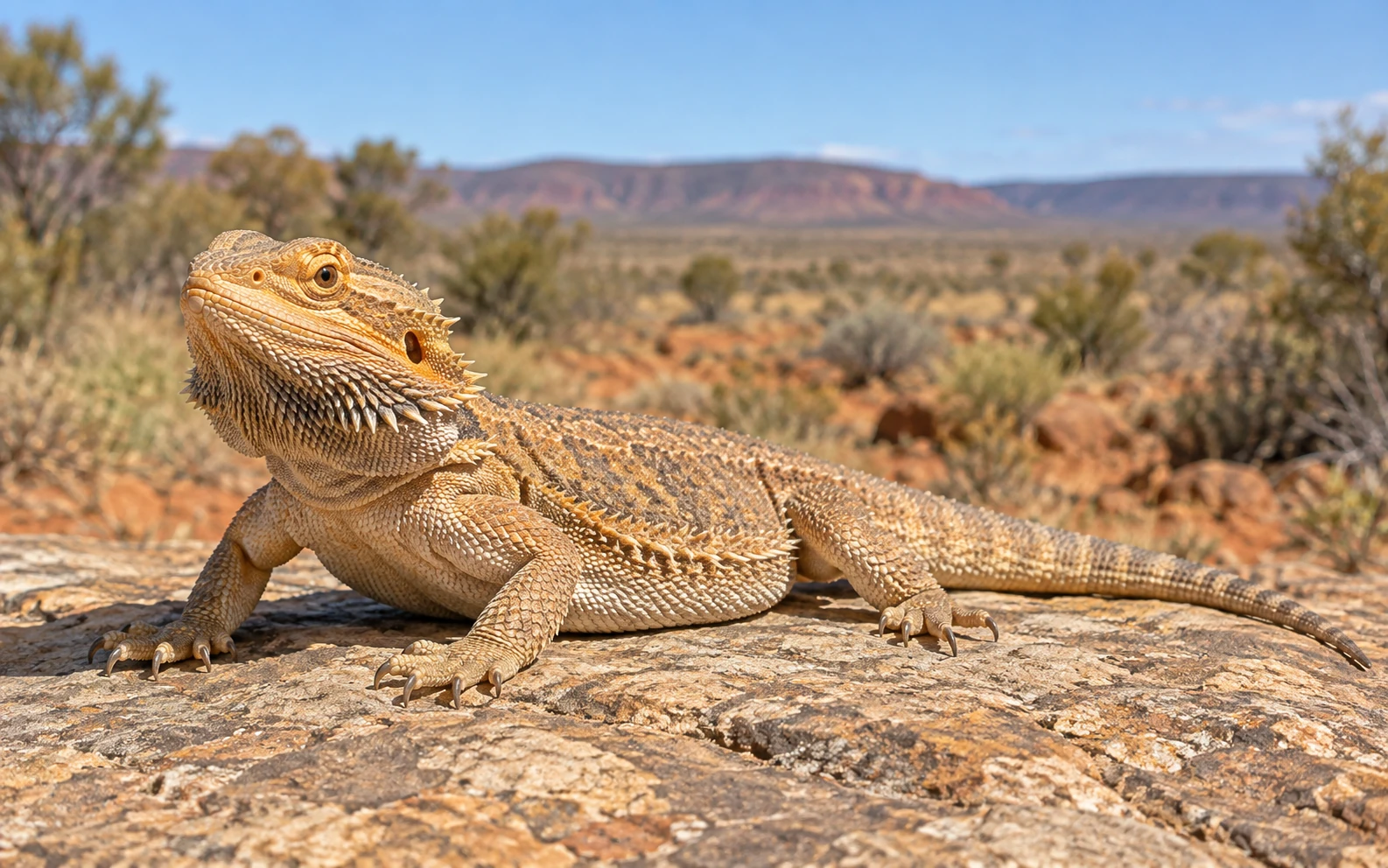
Start with the exact species, adult size and behaviour. Snakes need room to stretch, climbing animals need usable height and terrestrial reptiles need a stable floor plan with warm, cool and hidden areas.
Sources: RSPCA — corn snake care · VCA Animal Hospitals — chameleon housing and care · RSPCA — bearded dragon care
Subtract what cannot be used
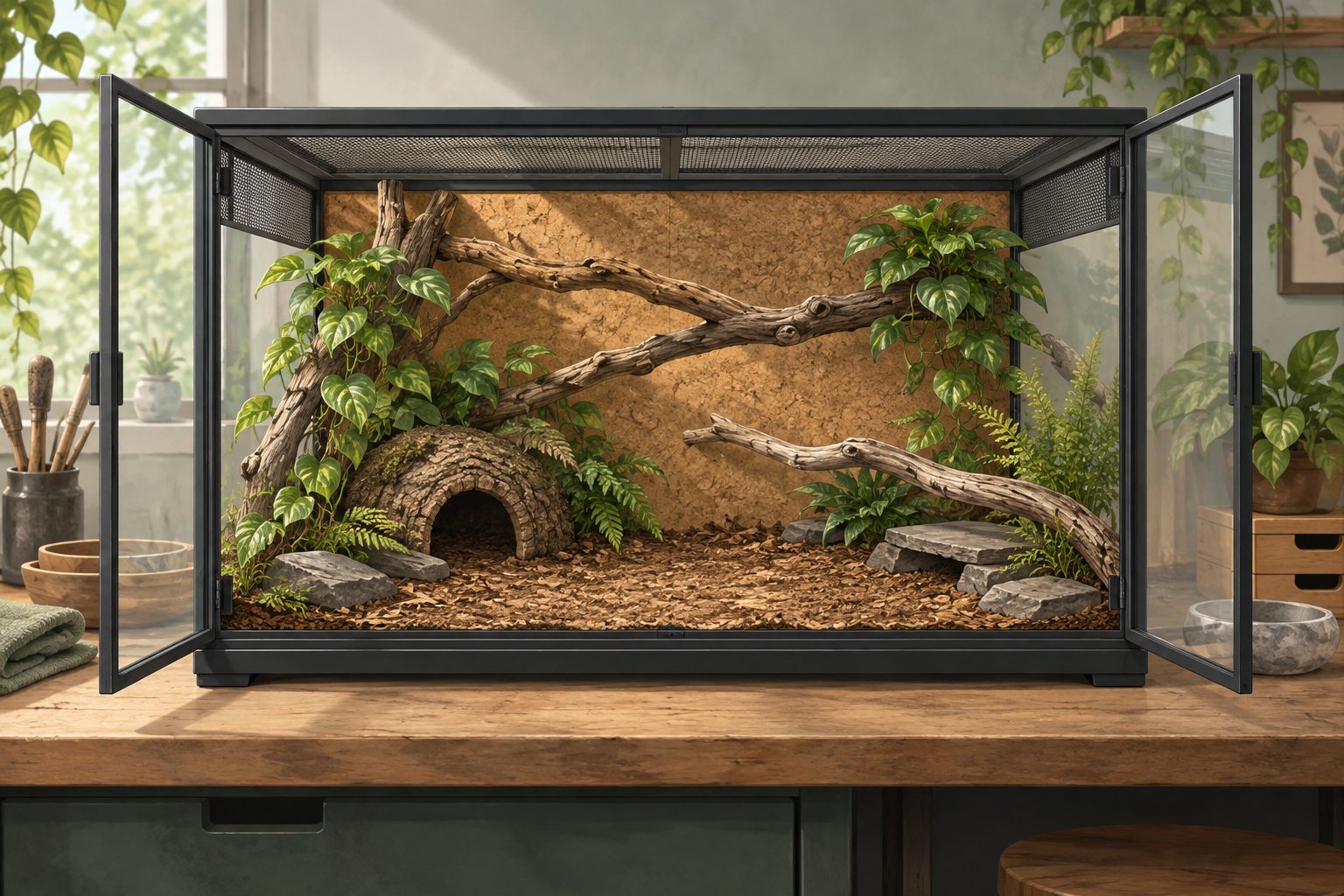
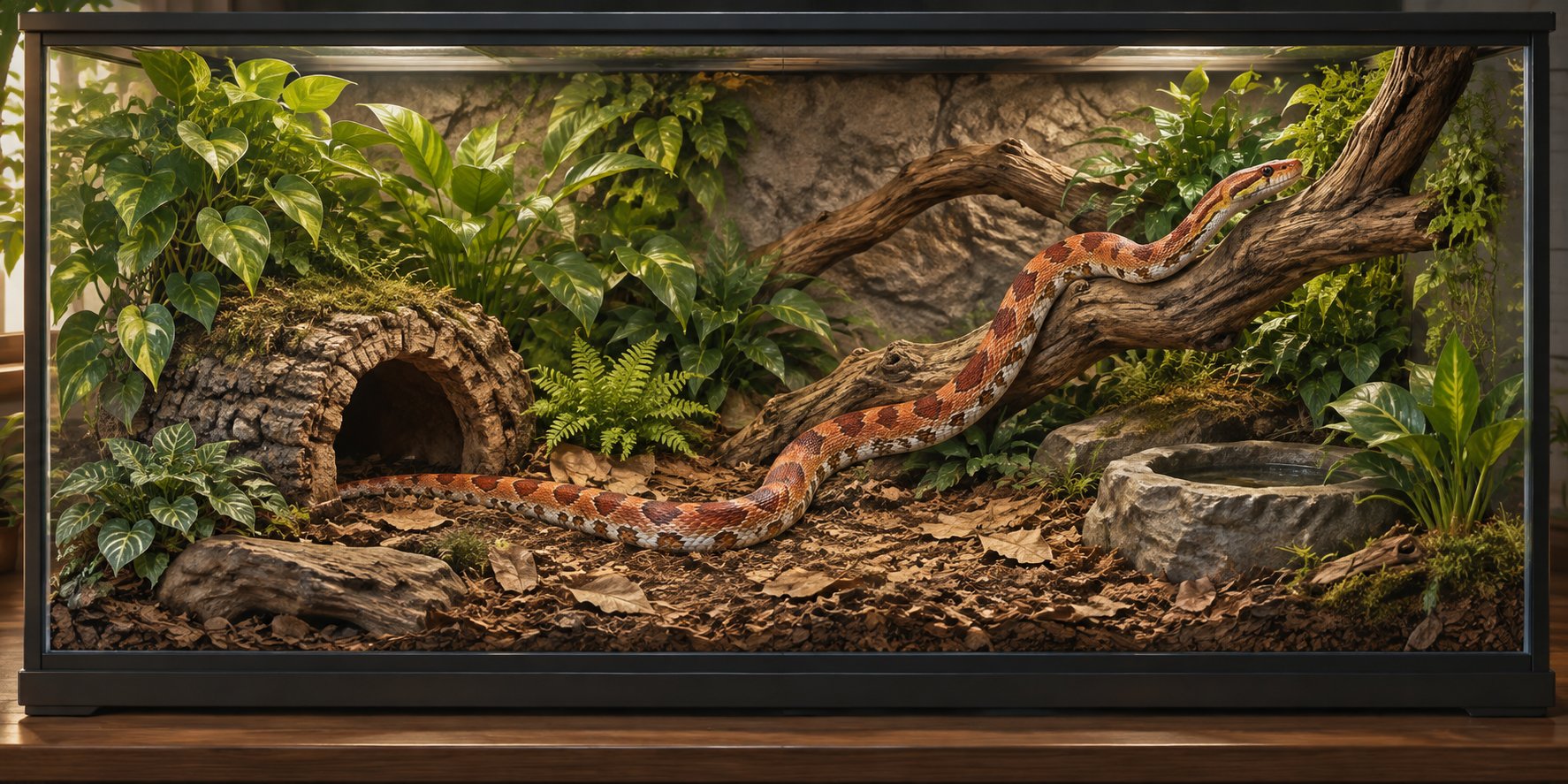
Tracks, vents, deep substrate, lamp guards, branches, hides and service clearances reduce usable space. Record internal dimensions after assembly instead of treating an external product title as the finished habitat.
Sources: RSPCA — bearded dragon care · RSPCA — crested gecko care
Design access and airflow
Doors must be secure and practical to clean. Ventilation, cable access, drainage and safe lamp mounting should be planned before a substrate or décor order is placed.
Sources: VCA Animal Hospitals — chameleon housing and care · RSPCA — crested gecko care · RSPCA — royal python care
Compare species-specific options
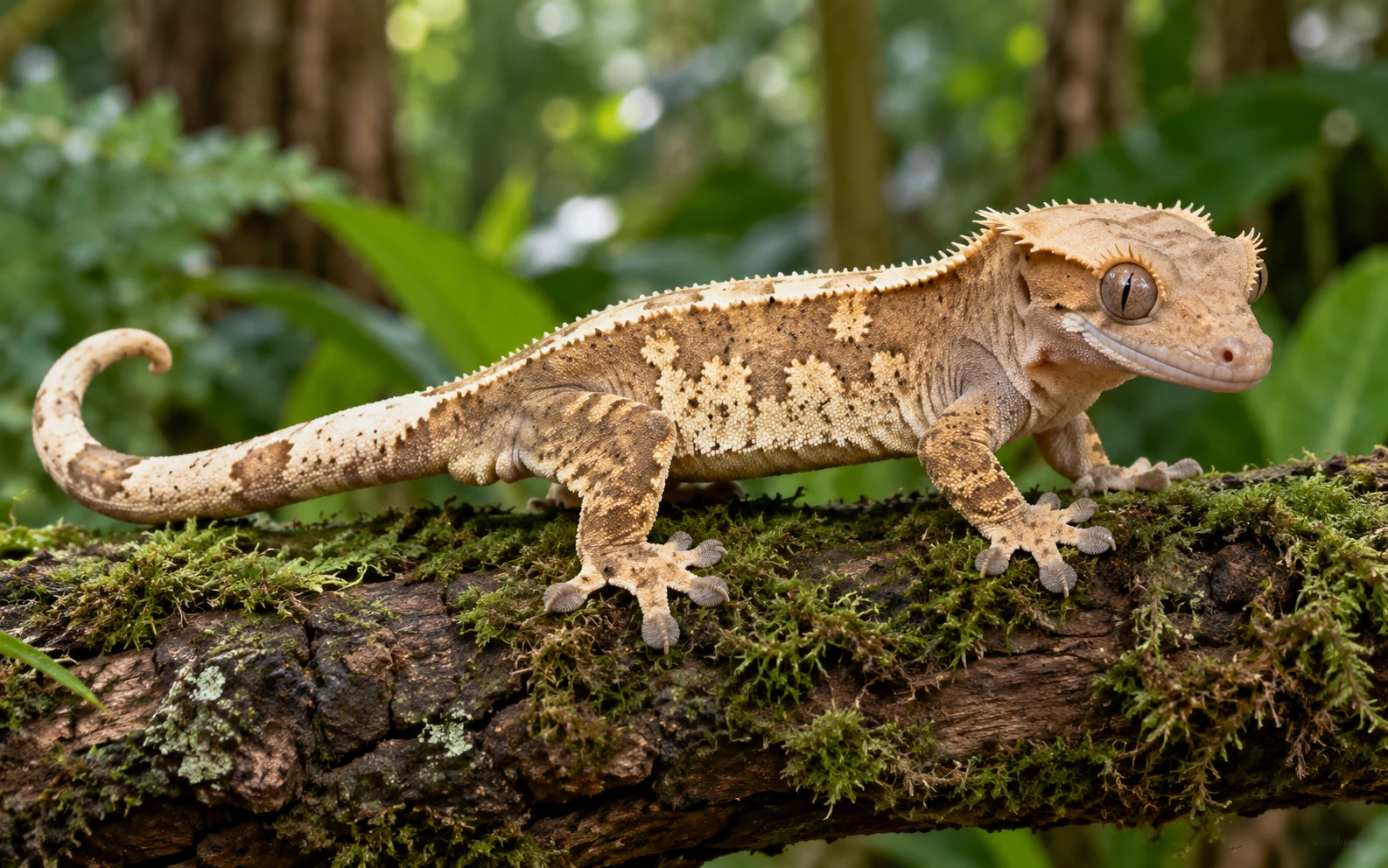
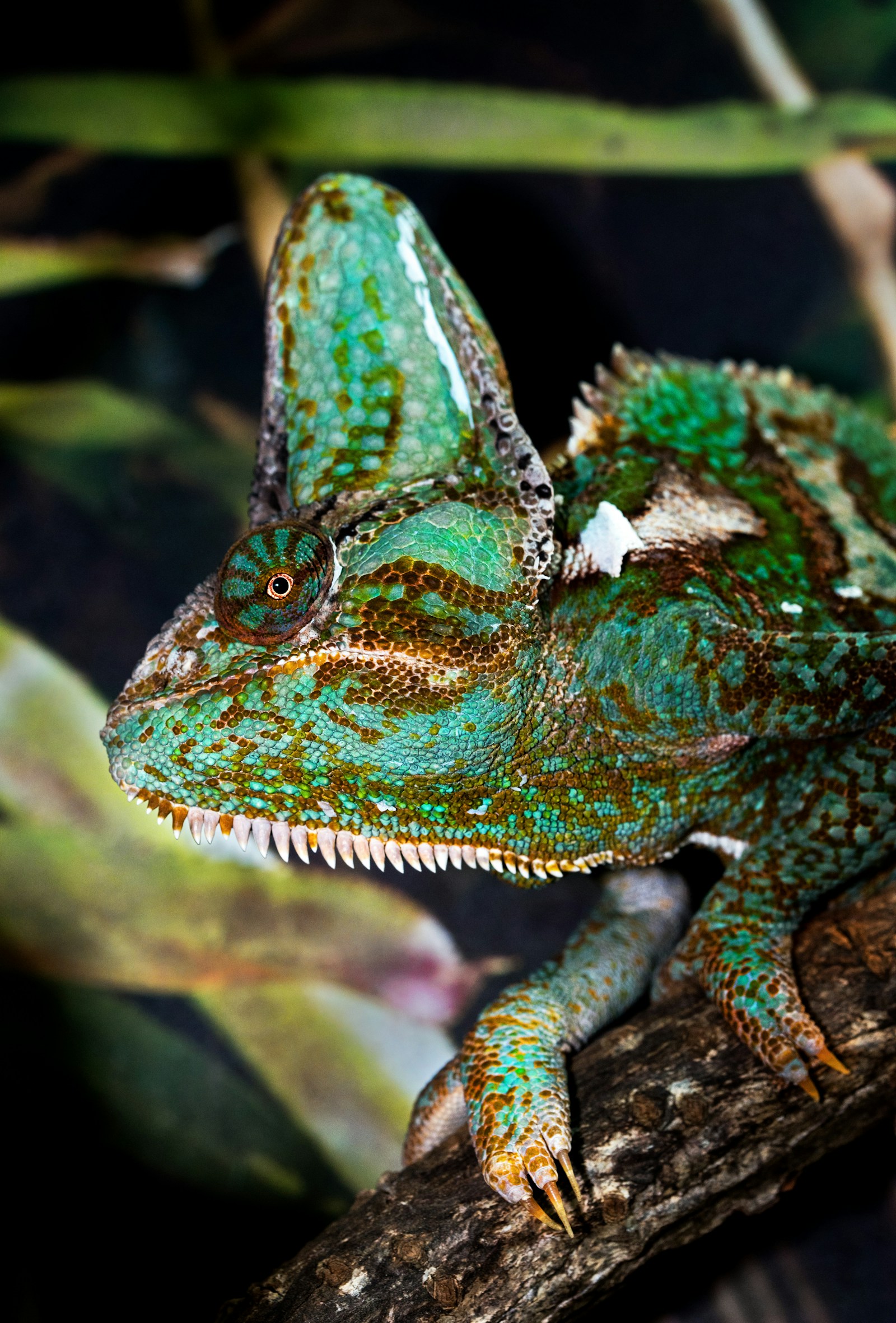
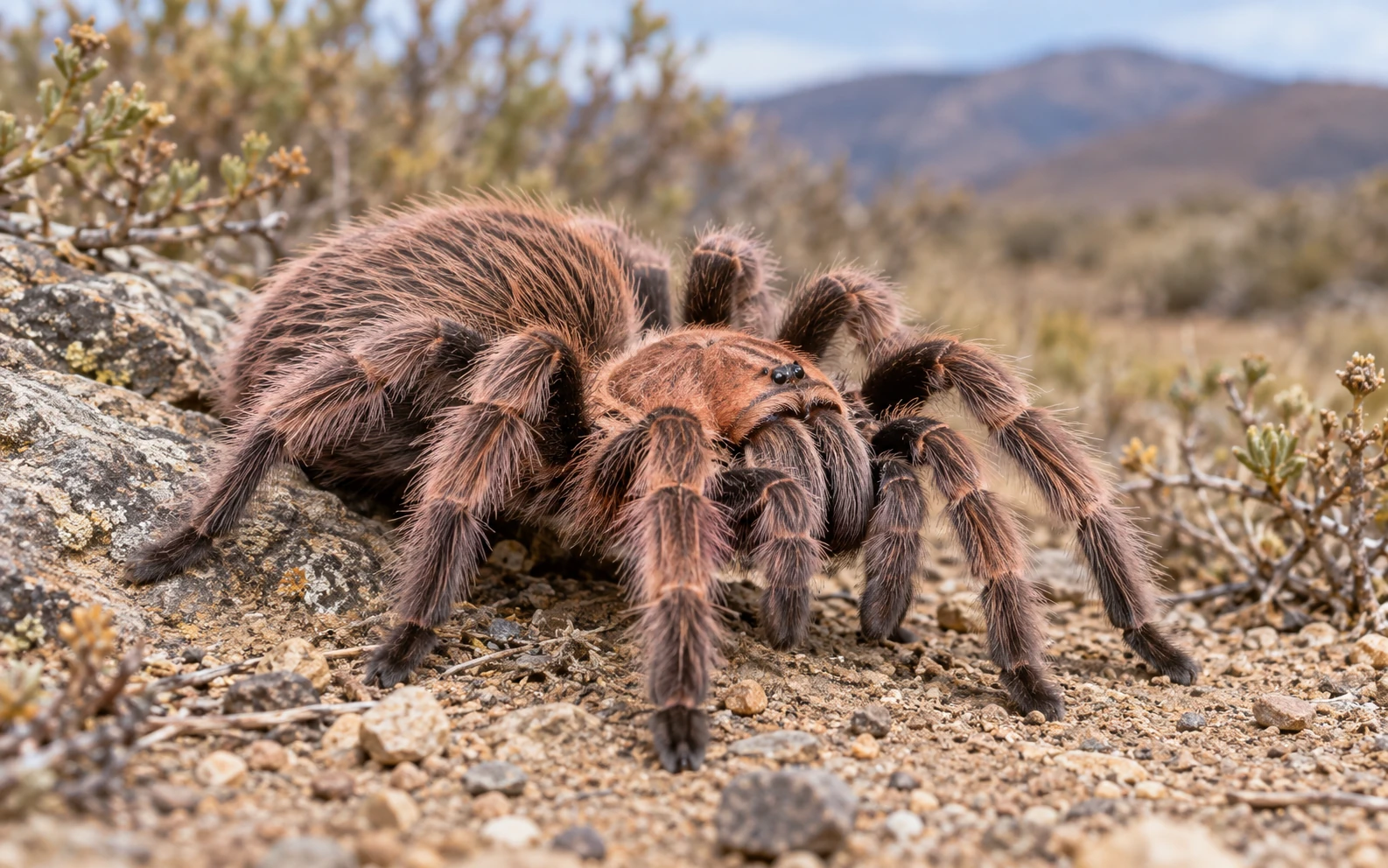
A tall gecko enclosure is not automatically suitable for a chameleon, mantis or tarantula, and a large floor vivarium is not automatically suitable for every snake. Use the relevant species hub before comparing products.
Sources: RSPCA — crested gecko care · VCA Animal Hospitals — chameleon housing and care · Amateur Entomologists’ Society — praying mantids · The Pet Charity, with the British Tarantula Society — tarantulas (2014)
Sources & limitations
- RSPCA — corn snake care
- VCA Animal Hospitals — chameleon housing and care
- RSPCA — bearded dragon care
- RSPCA — crested gecko care
- RSPCA — royal python care
- Amateur Entomologists’ Society — praying mantids
- The Pet Charity, with the British Tarantula Society — tarantulas (2014)
Source dates, product evidence and individual-animal limitations still apply.