Housing and depth
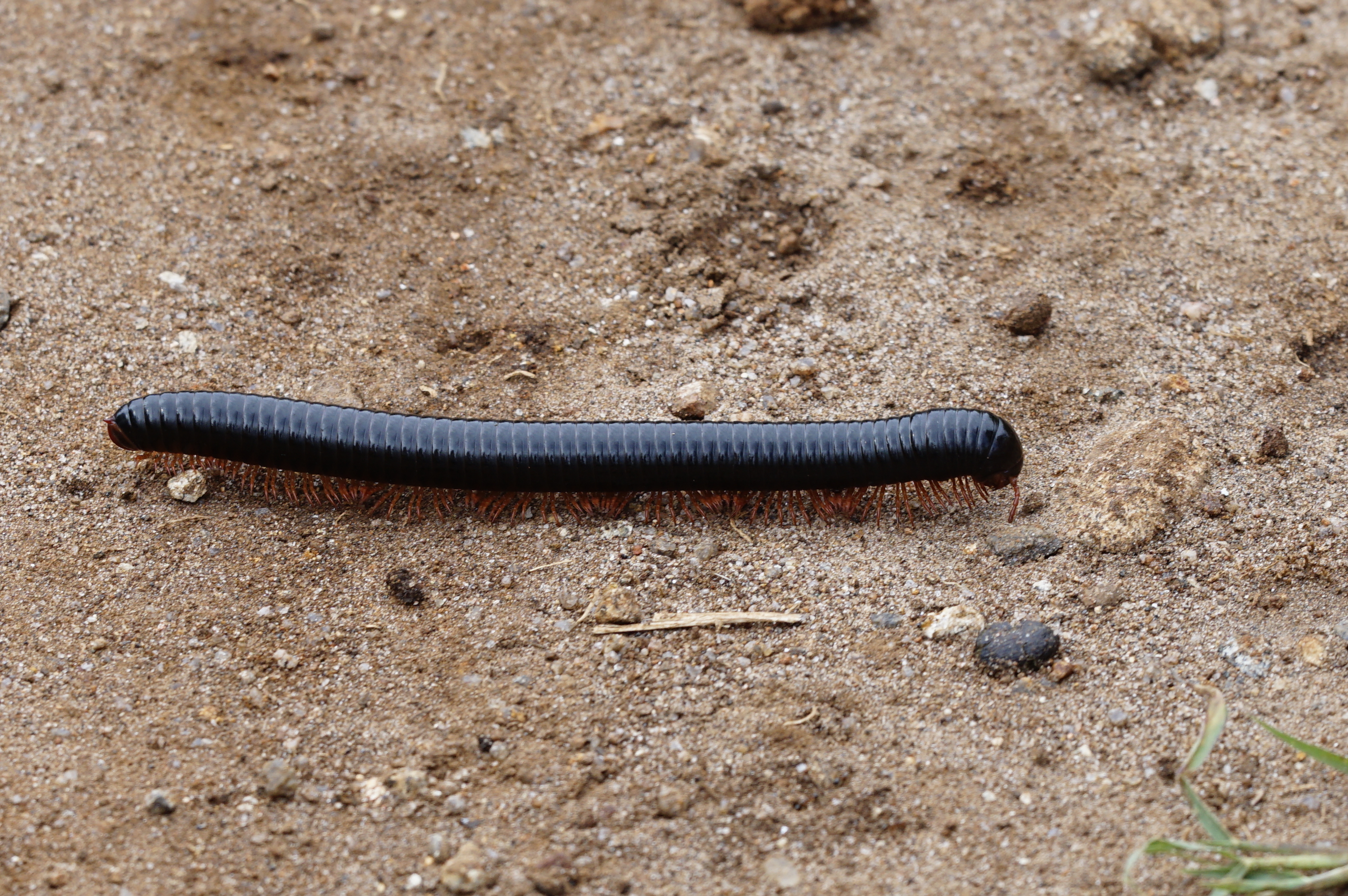
AES advises an escape-proof enclosure at least twice the length of the longest individual, with soil, shelter, moisture and food. Provide enough depth for the species to burrow and a secure lid that cannot be levered open.
Sources: Amateur Entomologists’ Society — giant millipede caresheet
Moisture and ventilation
Keep substrate damp rather than flooded and balance humidity with airflow. Monitor the lower substrate, surface and corners; a single room hygrometer cannot describe the whole enclosure.
Sources: Amateur Entomologists’ Society — giant millipede caresheet · GOV.UK — 2026 Code of Practice: care and accommodation
Diet and calcium
Offer safe decaying plant material and appropriate fresh foods, remove spoiled portions and provide a species-suitable calcium source. Verify plant identification and avoid treated garden material.
Sources: Amateur Entomologists’ Society — giant millipede caresheet
Handling and problems
Support the body and minimise handling, especially during moulting. Persistent inactivity, foul substrate, mites, escape attempts or unexplained deaths should trigger a husbandry review and specialist advice.
Sources: Amateur Entomologists’ Society — giant millipede caresheet · Merck Veterinary Manual — disorders and diseases of reptiles
Sources & limitations
- Amateur Entomologists’ Society — giant millipede caresheet
- GOV.UK — 2026 Code of Practice: care and accommodation
- Merck Veterinary Manual — disorders and diseases of reptiles
Source dates, product evidence and individual-animal limitations still apply.